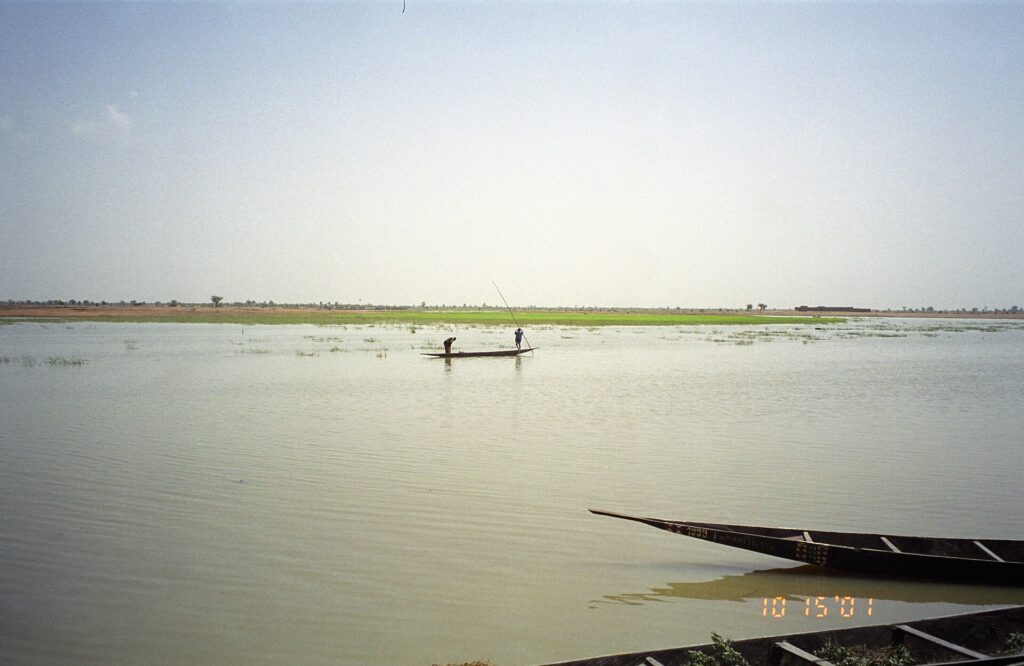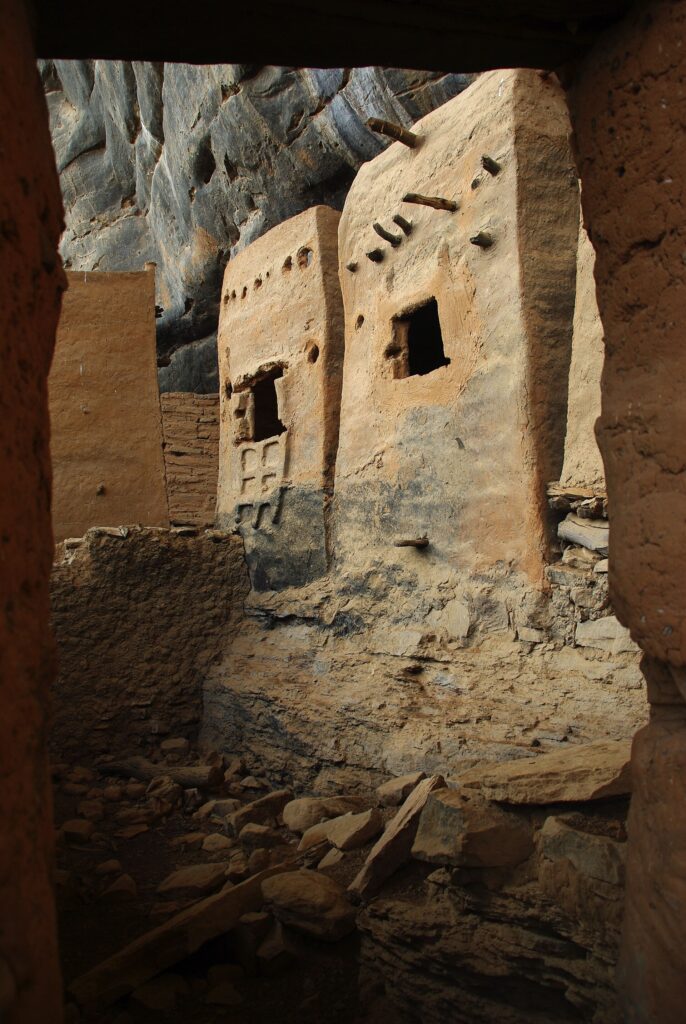
Kaïdara
Initiatory tale of three seekers who descend to the realm of the lord of gold and knowledge; only Hammadi, who seeks meaning, gains wisdom.
Source: Amadou Hampâté Bâ, Kaïdara, 1969 (to check)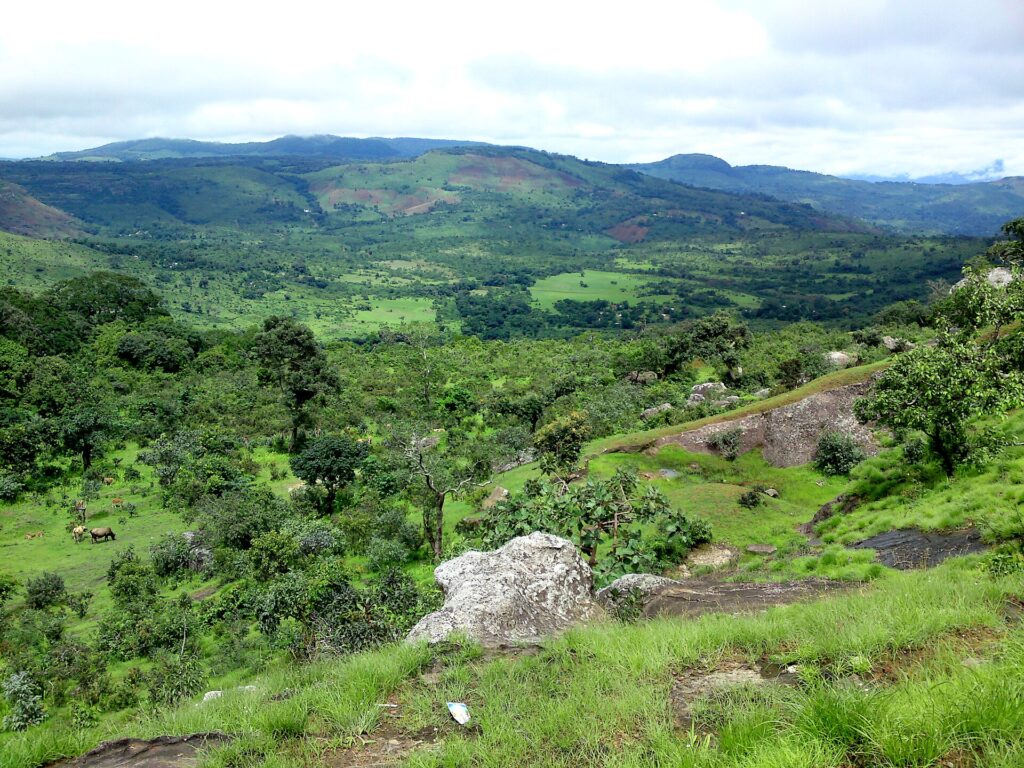
The Lore · West Africa · Lore Universe
Fulani / Fulbe
40M+ people, largest nomadic group in the world, Pulaaku code of honour, Wodaabe male beauty competitions (Gerewol), Fulani jihads, cattle-centred cosmology, across 20 African nations.
Why its stories are told
Stories are told to praise, to teach, to remember and to entertain. Specialist performers hold much of the tradition. Awluɓe (singular gawlo) are genealogists and praise singers attached to noble families.
The people call themselves Fulɓe (singular Pullo). Fulɓe is pronounced roughly FOOL-beh, with an implosive b made by drawing air inward; Pullo is POOL-loh.
The Land · Geography
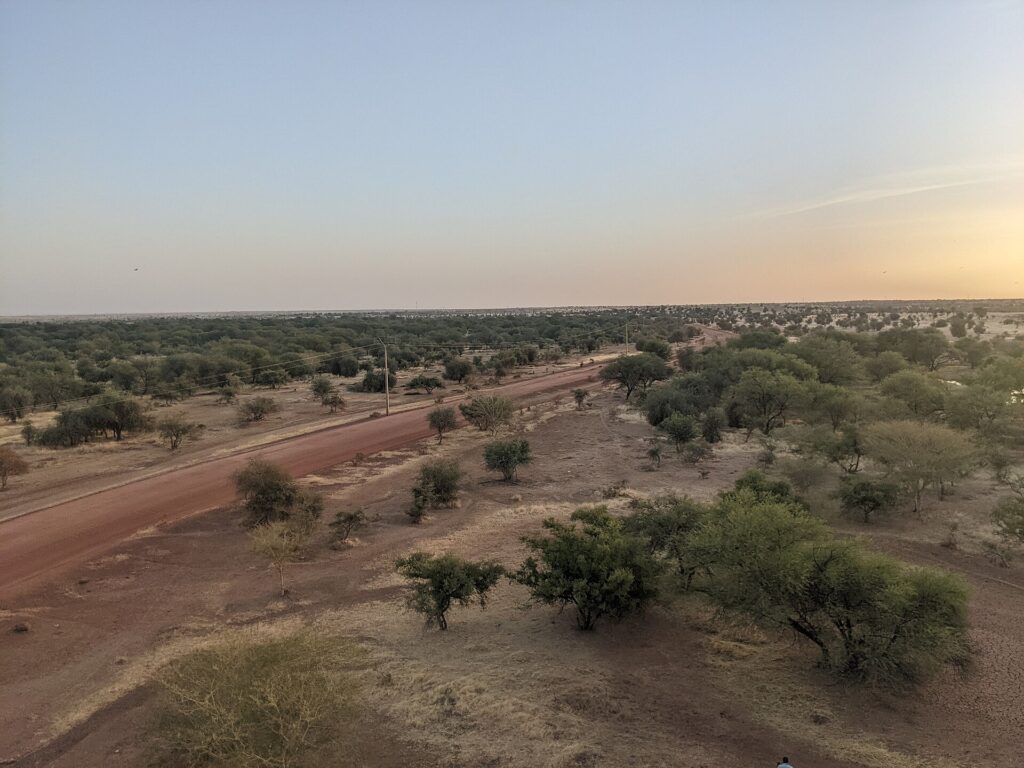
The Fulɓe world stretches across the Sahel and Sudanian savanna from Senegal and Mauritania to Chad, Sudan and the Central African Republic, and south into the highlands of Guinea and Cameroon.
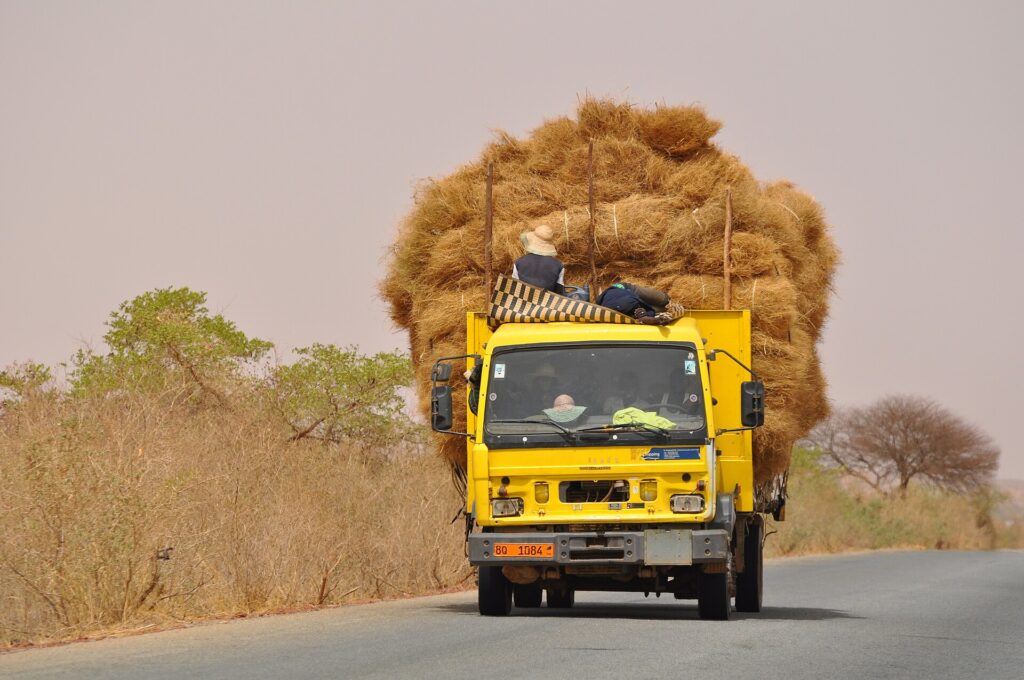
It is a land of grasslands and seasonal rivers. The Sahel has a short rainy season and a long dry season, and herds must move between wet-season pastures in the north and dry-season pastures near rivers, wells and the Inner Niger Delta. The Fuuta Jallon highlands are cooler and wetter, a source of great rivers. The Adamawa plateau offers grazing in the east.
The environment shapes the stories. The bush (ladde) is the herder's world, full of danger and knowledge. Water and pasture are the constant concerns. Droughts, such as those of the 1970s and 1980s, appear in modern songs and memory as catastrophes that broke herds and lives.
To pastoral Fulɓe, the land is a network of routes, wells and pastures rather than a fixed territory; to settled Fulɓe of Fuuta Tooro or Fuuta Jallon, it is the homeland of lineages and states.
The People · Cultural Foundation · Society
Fulfulde belongs to the Atlantic branch of the Niger-Congo family, and its closest relatives are Wolof and Seereer of Senegal. Most historians therefore place the formation of the Fulɓe in the Senegal River valley and its northern edges, in the region later called Fuuta Tooro, during the first millennium CE. Other theories, including links to the cattle paintings of the Tassili n'Ajjer proposed by Amadou Hampâté Bâ and Germaine Dieterlen in 1966, remain debated.
From the Senegal valley, Fulɓe herders moved east and south over many centuries: into the Inner Niger Delta of Mali (Maasina), the Fuuta Jallon highlands of Guinea, Hausaland in northern Nigeria, Adamawa in Cameroon and Nigeria, and as far as Chad, the Central African Republic and Sudan.
The main communities include the Haalpulaar'en of Fuuta Tooro, the Fulɓe of Fuuta Jallon, the Fulɓe of Maasina, the Jelgooɓe of Burkina Faso, the town and pastoral Fulɓe of northern Nigeria, the Wodaaɓe and the Mbororo'en. Some are settled farmers and townspeople, some semi-nomadic, some fully pastoral. The stories grew along the migration routes.
1. Munyal: patience, endurance and self-control under hardship. It is the virtue most often praised.
2. Semteende: modesty, reserve and a sense of shame. A Pullo does not show hunger, anger, pain or strong affection in public.
3. Hakkille: good sense and forethought, care in judgement, especially in caring for the herd and dealing with others.
4. The herd: cattle are wealth, kinship and identity. To care for cattle well is to be a full Pullo.
5. Faith: for the great majority of Fulɓe, Islam frames all other values, and learning and piety are honoured.
Some lists of pulaaku also name courage and generosity.
These values place self-mastery above self-expression. In Western stories the hero often wins by speaking out or acting on feeling; in Fulɓe stories the admired figure often wins by silence, endurance and refusal to show need. The lineage and its reputation come before the individual, and the honour of ancestors is at stake in every act. A character who loses composure may lose more than one who loses a battle.
Fulɓe gender roles follow the division of pastoral work and the order of Islamic family law, with variations among communities.
Men herd cattle, travel with the herds in transhumance, own most cattle and represent the family in public. Women milk the cows, process milk and butter, and sell dairy products in markets, controlling the income from this trade. Milk is women's domain, and this gives women their own wealth and standing.
Women also own cattle through gifts at birth, marriage and inheritance, and the cows given to a woman at marriage may form the core of her children's herds.
Among the Wodaaɓe, the usual pattern of display is turned around at the Geerewol: men adorn themselves and are judged for beauty by women. Wodaaɓe women have recognised freedom to leave a marriage for another partner, as Bovin and others describe.
In learning, Nana Asma'u of Sokoto (1793 to 1864) was a scholar and poet who organised a network of women teachers, the 'yan taru, and her example is honoured. Women sing at weddings and keep songs and lullabies that carry family history.
Age orders Fulɓe life. Children herd small stock and calves, learning the herd from early years. Youth herd cattle, travel with the herds, compete in dances and ordeals, and seek marriage. Married adults head households and build herds. Elders manage herds and lineages, settle disputes and give counsel.
Among pastoral Fulɓe, Stenning described a cycle in which a household's herd grows with a man's family and then is divided among his sons as they marry, until the elder, his herd distributed, depends on his children. Age thus moves a man from receiving cattle to giving them away.
Elders hold knowledge others cannot: the genealogies of people and of herds, the routes and wells of transhumance, the history of agreements over pastures, and, in the past, initiatory knowledge.
Respect for elders is part of pulaaku. Juniors speak little before them, avoid eating in front of in-laws, and seek their blessing before important acts.
In epics, the young hero often defies a king, but rarely his own elders; defying one's own lineage is a deeper shame.
Fulɓe society, especially in Fuuta Tooro, Fuuta Jallon and Maasina, was traditionally divided into hereditary groups.
The rimɓe, free people, included pastoral and noble lineages and, in Fuuta Tooro, the Toorooɓe, the clerical class that led the revolution of 1776. The nyeeyɓe were artisans and performers with hereditary crafts: wayilɓe (smiths), sakkeeɓe (leatherworkers), lawɓe (woodworkers), maabuɓe (weavers and singers), and awluɓe (praise singers). The maccuɓe were enslaved people and their descendants, who did farm and domestic labour.
The order was justified by descent and by Islamic and customary ideas of nobility. Its legacies remain in marriage and social standing, though they are contested, especially by descendants of the enslaved.
Storytellers come mainly from the nyeeyɓe groups: awluɓe and maabuɓe hold genealogies and epics, and they are attached to noble families.
In stories, class appears constantly. The epic of Silamaka and Poullori pairs a noble with a captive companion and shows the captive's loyalty and courage, raising questions about worth that bards and audiences still discuss.
Fulɓe communities are organised by descent. A lineage traces itself to a common ancestor through men and shares a name and reputation. Larger clans group lineages under four main clan names found widely across the Fulɓe world: Jallo, Bah, Soh and Bari, though there are many others and regional variations.
Among pastoral Fulɓe, the camp (wuro) is the household unit, and lineage groups move and gather together in the rainy season.
Among settled Fulɓe, towns and villages were organised under the states that the jihads created: the Imamate of Fuuta Jallon with its capital at Timbo, the Almamate of Fuuta Tooro, the Sokoto Caliphate with its emirates, the Diina of Maasina with its capital at Hamdallaye, and the emirate of Adamawa centred at Yola.
Membership carries obligations: to keep pulaaku, to contribute cattle at marriages and naming ceremonies, to help kin who lose herds, and to defend the lineage's honour.
Expulsion is rare, but a person who abandons pulaaku may lose standing so far that kin no longer treat him as one of them.
Through Time · History
By the 11th century the kingdom of Takrur on the Senegal River was Muslim; its ruler War Jaabi, who died around 1040, is recorded by al-Bakri as an early convert.
By the 15th century Fulɓe herders had spread east as far as Hausaland; the Kano Chronicle notes Fulɓe arriving there in the mid-1400s.
Around 1490 Koli Tengella founded the Denyanke dynasty in Fuuta Tooro.
Around 1725 a jihad led by Karamoko Alfa founded the Imamate of Fuuta Jallon.
In 1776 the Toorooɓe clerics overthrew the Denyanke and founded the Almamate of Fuuta Tooro under Almaami Abdul Kader Kan.
In 1804 Usman dan Fodio began the jihad that created the Sokoto Caliphate, with Sokoto founded in 1809; Modibbo Adama founded the emirate of Adamawa about the same time.
In 1818 Seku Amadu won at Noukouma and founded the Diina of Maasina.
In 1852 al-Hajj Umar Tall began his jihad; in 1862 he took Hamdallaye, and in 1864 he died near Bandiagara.
In 1903 British forces took Sokoto, as French rule spread over the western Fulɓe lands.
By the 11th century the kingdom of Takrur on the Senegal River was Muslim; its ruler War Jaabi, who died around 1040, is recorded by al-Bakri as an early convert. By the 15th century Fulɓe herders had spread east as far as Hausaland; the Kano Chronicle notes Fulɓe arriving there in the mid-1400s.
Around 1490 Koli Tengella founded the Denyanke dynasty in Fuuta Tooro. Around 1725 a jihad led by Karamoko Alfa founded the Imamate of Fuuta Jallon. In 1776 the Toorooɓe clerics overthrew the Denyanke and founded the Almamate of Fuuta Tooro under Almaami Abdul Kader Kan.
In 1804 Usman dan Fodio began the jihad that created the Sokoto Caliphate, with Sokoto founded in 1809; Modibbo Adama founded the emirate of Adamawa about the same time. In 1818 Seku Amadu won at Noukouma and founded the Diina of Maasina. In 1852 al-Hajj Umar Tall began his jihad; in 1862 he took Hamdallaye, and in 1864 he died near Bandiagara.
In 1903 British forces took Sokoto, as French rule spread over the western Fulɓe lands. In the 1970s and 1980s, droughts destroyed herds across the Sahel.
History lives in the epics, the jihad poems and the praise of families.
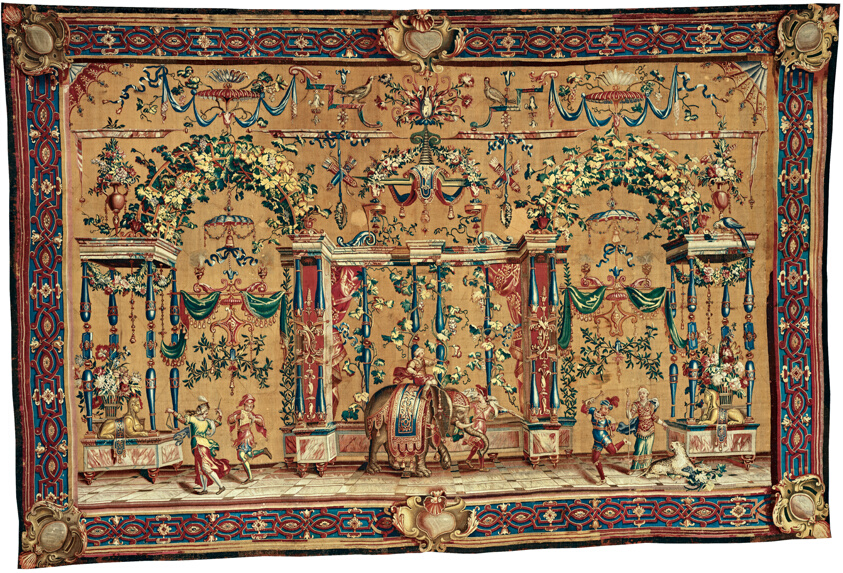
Movement is the defining fact of Fulɓe history. Over a thousand years, herders and their families spread from the Senegal valley across the Sahel and savanna, following pasture and water, settling among Mande, Hausa, Kanuri and other peoples, and sometimes founding states of their own. What was carried was language, cattle and pulaaku.
Fulɓe culture grew through constant exchange. With the Islamic world, they shared faith, law, Arabic learning and script, and they became one of the region's main bearers of Islamic scholarship. Sufi orders, especially the Qadiriyya and the Tijaniyya, shaped their religious life; al-Hajj Umar was a leading Tijani.
Fulɓe stories exist to carry pulaaku, the knowledge of cattle, and the memory of lineages, kingdoms and holy wars. History shaped the tradition.
The Sacred · Deities and Spirits
The Qur'an; Fulfulde religious poems of Nana Asma'u, Ceerno Samba Mombeya and the jihad poets.
The creation from a drop of milk; Kumen; Kaïdara.
The creation from a drop of milk, as told by Ulli Beier.
Kumen, the initiatory text published by Hampâté Bâ and Dieterlen in 1961.
Kumen.
Kaïdara, published by Amadou Hampâté Bâ in 1969.
Njeddo Dewal, mère de la calamité, published by Amadou Hampâté Bâ in 1985.
Accounts of encounters in the bush and of marabouts treating possession.
For most Fulɓe, the Qur'an is the most sacred thing: its text, its recitation, and writing from it. Mosques, the tombs of saints and scholars, and religious centres such as Sokoto and Hamdallaye carry sacred meaning.
Cattle carry a sacredness of their own. In origin stories cattle are a gift, and in some accounts they came from water. Herds are handed down from fathers and kin; the cows a child receives at birth or naming begin the herd that is the measure of his life. Milk is a basic food and sign of blessing, and in the Fulɓe creation account told by Ulli Beier the world begins with a drop of milk.
The bush (ladde) holds powers and spirits, and certain trees, wells and pastures are places of blessing or danger.
Protective objects, such as amulets containing Qur'anic writing, and medicines from plants are sacred in use.
The mechanism of sacredness is blessing (barke, from Arabic baraka), received from God and passed on through saints, scholars, elders and inherited herds, and kept by right conduct.
For most Fulɓe, the divine order is Islamic: one God, Alla, creator and ruler of all, with the Prophet Muhammad as messenger, angels as servants of God, and saints whose blessing comes from God.
The older pastoral tradition recorded by Hampâté Bâ and others names other beings. Geno (Gueno) is the eternal one, the supreme being of the pre-Islamic accounts. Doondari is the name under which the creator acts in the creation account told by Ulli Beier. Kumen is the guardian of herds and initiator of herders, with his wife Foroforondu. Kaïdara is the lord of gold and knowledge in the hidden realm.
Hampâté Bâ presented these figures within an Islamic frame, and many Fulɓe today understand them as figures of initiatory teaching rather than as gods to be worshipped.
Jinn and spirits of the bush are below these powers, and they deal with humans directly, for good or ill.
The relationship to humans is of submission to God and of learning from the powers that hold knowledge.
Ancestors among the Fulɓe are present mainly through genealogy, reputation and inherited cattle rather than through an active cult of the dead.
Islam shapes the relationship. The dead are prayed for, their graves are visited, and the tombs of saints and scholars receive pilgrims seeking blessing. Families recite prayers on their behalf, especially at anniversaries and religious festivals.
Ancestors live in the lineage's name and in the songs of awluɓe and maabuɓe, who recite them at ceremonies. To act shamefully is to dishonour them; to act well is to add to their praise.
The herd links generations. Cattle descended from an ancestor's herd carry his memory, and some lineages keep the descent of particular cows as carefully as their own.
The protocol is respect: one does not speak lightly of the dead, and in some regions one avoids naming them in certain contexts.
What ancestors ask of the living, in Fulɓe terms, is that they keep the lineage's honour, keep pulaaku and keep the herd.
The Fulɓe spirit world follows Islamic cosmology in its outlines: God above all, angels, the realm of the dead awaiting judgement, and the jinn, beings made of fire who share the world with humans.
Jinn (jinnaaji) live in the bush, at wells, in certain trees and in abandoned places. They may help or harm, and some people are believed to have dealings with them. Marabouts and healers protect against their harm.
Below this, older Fulɓe ideas recorded in the initiatory texts describe a hidden realm under the earth: the land of Kaïdara, reached by descent, where the travellers see the signs. Kumen, guardian of herds, dwells in the bush and appears to the initiate there.
Sorcerers (sukunyaaɓe, sometimes glossed soul-eaters) are believed in some regions to attack others' life force at night.
Crossing happens through dreams, through initiation in the bush, through prayer and through the actions of specialists. The bush is the threshold: the place where the herder meets what is unseen.
Fulɓe ritual combines Islamic rites with pastoral and life-cycle ceremonies.
Islamic rites mark the year: daily prayer, Ramadan, the festivals of Eid al-Fitr and Eid al-Adha (Tabaski), and the Prophet's birthday in many communities.
Life transitions are marked by the naming ceremony on the seventh day after birth, often with the gift of cattle to the child; by circumcision; by marriage, which may involve bride-wealth in cattle and wedding songs; and by funerals according to Islamic law.
Pastoral rites mark the herd's year. In Maasina the Degal at Diafarabé celebrates the return of the herds across the Niger, with herders praised, cattle displayed and poems recited. Among the Wodaaɓe, lineage gatherings at the end of the rainy season bring the Geerewol and Yaake dances and marriages. Among some Fulɓe of northern Nigeria, sharo ordeals test young men's endurance.
In stories, rituals appear as frames and resolutions: a hero's naming foretells his life, and a test before the community proves his worth.
Alla, the one God of Islam, is the supreme being for most Fulɓe. God has no image; sacred symbols are the Qur'an, the mosque and the words of prayer. Ritual protocol follows Islamic law: daily prayer, fasting, almsgiving and pilgrimage.
Geno (Gueno), the eternal one, is the supreme being of the older pastoral texts published by Hampâté Bâ. In the creation account told by Ulli Beier, the creator appears first as Doondari, who makes the world from a great drop of milk and then makes man, and finally returns as Geno to overcome death.
Kumen is the guardian of herds and the initiator of herders, described in the text Kumen as a small being of the bush with his wife Foroforondu. He initiates Silé Sadio, the first silatigi, through a sequence of clearings, teaching him the secrets of cattle.
Kaïdara is the lord of gold and knowledge in the hidden realm beneath the earth, who appears to the seekers in the initiatory tale bearing his name and later, disguised as an old man, explains the signs to Hammadi.
These figures appear in published initiatory texts; their ritual protocols belonged to initiates.
Jinn (jinnaaji) are the most widely recognised spirit beings among the Fulɓe, understood through Islam. They live in the bush, in trees, at wells and in ruins. They have their own communities and may help or harm humans. Some people are believed to have jinn as allies, and possession by jinn is treated by marabouts through Qur'anic recitation.
Spirits of the bush, in older pastoral thought, include beings who guard herds and wild places; Kumen is the best known. Herders learn how to behave in the bush to avoid offending them.
Sorcerers, called sukunyaaɓe in many regions, are people believed to attack others' life force secretly, often at night. They are not spirits but act through hidden powers; protection against them is sought from marabouts and healers.
The souls of the dead, in Islamic understanding, await judgement; they are prayed for rather than placated.
The rules of interaction are caution and protection: avoid certain places at certain times, carry protective amulets, keep prayer, and rely on learned specialists when spirits trouble a person or herd.
Cattle are the central creatures of Fulɓe lore. In some Fulɓe origin accounts, the first cattle came out of a river or lake, drawn by a herder; versions vary by region. Cows are named, praised in poetry and known by colour, horn shape and descent.
Tyanaba is named in some Fulɓe traditions recorded by Hampâté Bâ as a mythical serpent associated with the herds and with water; accounts differ, and the details should be checked against those sources.
In Kaïdara, the seekers meet a sequence of animals and figures that are signs to be interpreted, among them a chameleon, whose changing colours are explained as a lesson about appearance and adaptability. These are not monsters but symbols.
In Njeddo Dewal, mother of calamity, published by Hampâté Bâ, the sorceress Njeddo Dewal sends monstrous creatures and disasters against the people, until a child hero defeats her.
In ordinary tales, the hyena, the hare and other animals play roles familiar across West Africa: the greedy hyena and the clever hare.
Horses are honoured companions of epic heroes, praised alongside them.
Islamic law sets the broadest prohibitions: forbidden foods and drink, theft, adultery, and the neglect of prayer.
Pulaaku adds its own. Semteende forbids open displays of hunger, pain, anger or affection, especially before elders and in-laws. In many Fulɓe communities a mother avoids naming or openly showing affection to her first child in front of others, and spouses and in-laws keep forms of avoidance; Riesman, Dupire and Stenning recorded these customs.
There are prohibitions around cattle: certain animals in a lineage's herd may not be sold, and selling the herd's foundation stock is shameful. Cattle are not to be mistreated or neglected.
The Wodaaɓe name is often glossed as people of the taboo, referring to their strict observance of these customs.
The consequences of violation are shame (to lose semteende), loss of reputation for oneself and one's lineage, and, in some beliefs, misfortune to the herd. Shame is collective: it spreads to kin.
What cannot easily be undone is lost honour. A Pullo who has publicly abandoned pulaaku may be said to have become something other than Pullo.
This part carries no pictures. Gods, spirits, the ancestors and ceremonies are named, with their roles, and drawn as marks only.
The Stories · Signature Stories
Kaïdara is the most celebrated Fulɓe initiatory tale, published by Amadou Hampâté Bâ in 1969 from the oral tradition, in Fulfulde verse with a French translation. Three companions, Hammadi, Hamtoudo and Demburu, set out to find knowledge. They descend into the land beneath the earth, the realm of Kaïdara.
And 1 more stories in the catalog below.
The Telling · Oral Tradition · Narrative Structure
The Figures · Survival and Diaspora
The noble hero, like Silamaka or Samba Gelaajo Jeegi, refuses submission and shame. He proves his pulaaku in combat and in bearing. His arc is a chain of tests; he may die, but he keeps his honour.
The loyal companion, like Poullori, of lower status, matches or surpasses the hero in courage and faithfulness. His presence raises the question of where true nobility lies.
The bard, the gawlo or maabo, appears inside the stories as well as telling them: he praises the hero, provokes him to action and remembers his deeds.
The seeker, like Hammadi in Kaïdara, travels to gain knowledge. His success depends on patience and generosity; his greedy companions are his foils.
The wise old man, often a disguise of a higher power, teaches the seeker.
The herder-initiate, like Silé Sadio in Kumen, learns the secrets of cattle and becomes a master.
The saint and reformer, like Usman dan Fodio or Seku Amadu, leads the community to faith.
The sorceress, like Njeddo Dewal, brings calamity and is overcome by the young and the pure.
Survival and diaspora
Yes. Fulɓe tradition is living across West and Central Africa. Fulfulde, Pulaar and Pular are spoken by tens of millions, broadcast on radio and used in literacy programmes and publishing. Pulaaku is taught at home and invoked in daily life. Pastoral life continues, though under pressure.
Fulɓe were among the West Africans carried across the Atlantic in the slave trade, and some left records. Ayuba Suleiman Diallo of Bundu, enslaved in Maryland in 1731, was freed and returned to Africa in 1734. Abdul Rahman Ibrahima Sori, a prince of the Fuuta Jallon enslaved in Mississippi in 1788, won his freedom in 1828.
Contemporary work on Fulɓe tradition centres on language and literature. Pulaar literacy movements in Senegal and Mauritania, active since the 1960s, have produced newspapers, books and translations in Pulaar written in Latin script, and they promote the language in schools and public life.
The Catalog · its places, peoples, practices and sources
The World Bible
For the reader who wants all of it: every section of Cattle Paths, in its eleven parts.
The people call themselves Fulɓe (singular Pullo). Fulɓe is pronounced roughly FOOL-beh, with an implosive b made by drawing air inward; Pullo is POOL-loh. The way of life and code of conduct that defines them is pulaaku (poo-LAA-koo), the quality of being Pullo.
Their language has several names by region: Pulaar in Senegal, Mauritania and The Gambia; Pular in the Fuuta Jallon of Guinea; Fulfulde (fool-FOOL-deh) in Mali, Burkina Faso, Niger, Nigeria, Cameroon and further east. Speakers in the Senegal River valley often call themselves Haalpulaar'en, those who speak Pulaar.
Neighbours and outsiders use other names. Fulani comes from Hausa and is used in English. Peul, the French name, comes from Wolof. Fula is the Manding name. Toucouleur or Tukulóor, from the old name Takrur, is applied to the Haalpulaar'en of Fuuta Tooro.
Subgroups have their own names, among them the Wodaaɓe of Niger and Chad and the Mbororo'en of Cameroon, Nigeria, Chad and the Central African Republic.
Fulfulde belongs to the Atlantic branch of the Niger-Congo family, and its closest relatives are Wolof and Seereer of Senegal. Most historians therefore place the formation of the Fulɓe in the Senegal River valley and its northern edges, in the region later called Fuuta Tooro, during the first millennium CE. Other theories, including links to the cattle paintings of the Tassili n'Ajjer proposed by Amadou Hampâté Bâ and Germaine Dieterlen in 1966, remain debated.
From the Senegal valley, Fulɓe herders moved east and south over many centuries: into the Inner Niger Delta of Mali (Maasina), the Fuuta Jallon highlands of Guinea, Hausaland in northern Nigeria, Adamawa in Cameroon and Nigeria, and as far as Chad, the Central African Republic and Sudan.
The main communities include the Haalpulaar'en of Fuuta Tooro, the Fulɓe of Fuuta Jallon, the Fulɓe of Maasina, the Jelgooɓe of Burkina Faso, the town and pastoral Fulɓe of northern Nigeria, the Wodaaɓe and the Mbororo'en. Some are settled farmers and townspeople, some semi-nomadic, some fully pastoral. The stories grew along the migration routes.
Fulɓe stories exist to carry pulaaku, the knowledge of cattle, and the memory of lineages, kingdoms and holy wars.
History shaped the tradition. Early conversion to Islam in Takrur, the rise of Fulɓe kingdoms in Fuuta Tooro, the jihads of the eighteenth and nineteenth centuries in Fuuta Jallon, Fuuta Tooro, Hausaland, Maasina and under al-Hajj Umar Tall, and then French and British conquest all became subjects of epics, chronicles and religious poetry.
Stories serve several functions: they praise ancestors and rulers, teach young herders the bush and the herd, model the restraint and patience of pulaaku, and, in Islamic poetry, teach faith and law.
Sacred and secular contexts are distinct. Islamic teaching and devotional poetry belong to mosques, Qur'anic schools and religious gatherings. Initiatory pastoral knowledge, such as that recorded in Kumen, belonged to initiated herd masters and was not public. Epics, tales and praise songs are performed at weddings, naming ceremonies, evening gatherings and festivals, and riddles and animal tales are told to children.
This entry is drawn from published scholarship, published oral texts and the writings of Fulɓe authors. Review by Fulɓe elders, bards and native speakers has not yet taken place, and catalog items are marked to check.
Key sources include the works of Amadou Hampâté Bâ, a Pullo of Bandiagara, who recorded and published the initiatory texts Kumen (with Germaine Dieterlen, 1961) and Kaïdara (1969), and wrote the history of the Maasina empire with Jacques Daget (1955); Christiane Seydou's editions of Fulɓe epics; Derrick Stenning's Savannah Nomads (1959) on the Wodaaɓe of Bornu; Marguerite Dupire's Peuls nomades (1962); Paul Riesman's studies of the Jelgooɓe (1974, 1977, 1992); Mette Bovin on the Wodaaɓe; Jean Boyd and Beverly Mack's edition of Nana Asma'u (1997); Amadou Ly's edition of the epic of Samba Gelaajo Jeegi (1991); and David Robinson on Umar Tall (1985).
Organisations engaged with the tradition include Tabital Pulaaku, an international association for Fulɓe language and culture, and Pulaar literacy associations in Senegal and Mauritania.
1. Munyal: patience, endurance and self-control under hardship. It is the virtue most often praised.
2. Semteende: modesty, reserve and a sense of shame. A Pullo does not show hunger, anger, pain or strong affection in public.
3. Hakkille: good sense and forethought, care in judgement, especially in caring for the herd and dealing with others.
4. The herd: cattle are wealth, kinship and identity. To care for cattle well is to be a full Pullo.
5. Faith: for the great majority of Fulɓe, Islam frames all other values, and learning and piety are honoured.
Some lists of pulaaku also name courage and generosity.
These values place self-mastery above self-expression. In Western stories the hero often wins by speaking out or acting on feeling; in Fulɓe stories the admired figure often wins by silence, endurance and refusal to show need. The lineage and its reputation come before the individual, and the honour of ancestors is at stake in every act. A character who loses composure may lose more than one who loses a battle.
For most Fulɓe causation rests finally with God (Alla), whose will is the ground of all events. Within that frame, people also recognise human causes such as sorcery or envy, the actions of jinn, the power of medicines and the effect of conduct. A herder's good or bad fortune with cattle may be read as the result of skill, of blessing and of right behaviour together.
The individual is bound to lineage, camp and herd. Riesman argued that among the Jelgooɓe, freedom was understood as mastery over one's own needs and feelings, which allowed a person to act rightly toward others; the self is made through restraint, not set against the group.
Time is both linear and cyclical. Islamic and genealogical time runs forward, from the Prophet and the founding ancestors through the jihads to the present. Pastoral time turns with the seasons: the rains, the move to wet-season pastures, the return to dry-season wells and river pastures.
Reality is layered: the visible world of camp and bush, and an unseen world of God, angels, jinn and spirits that touches it.
Stories are told to praise, to teach, to remember and to entertain.
Specialist performers hold much of the tradition. Awluɓe (singular gawlo) are genealogists and praise singers attached to noble families. Maabuɓe, weavers by trade, are also singers and keepers of history in many regions. Wammbaaɓe play the hoddu lute and accompany epics. These performers belong to hereditary groups.
Religious scholars, called ceerno or moodibbo, teach and compose devotional poetry. Initiated herd masters, silatigi, held pastoral and spiritual knowledge. Ordinary men and women tell tales, riddles and proverbs, and women sing at weddings and naming ceremonies.
Stories are told in the evening in camps and compounds, at weddings, naming ceremonies, religious festivals, and herd gatherings such as the Degal crossing in Maasina.
The relationship is one of mutual dependence. Bards depend on patrons for gifts, but patrons depend on bards for their reputation; a gawlo can praise or shame, and a noble who is not generous risks being sung about.
Fulɓe narrative works in three main patterns.
The initiatory journey is the deepest. In Kaïdara and Kumen, a seeker travels into a hidden realm, meets a sequence of symbols or tests, and must understand them. The story's movement is downward and inward, then back, and its point is the meaning of what is seen. Many signs are presented as riddles, and the listener is expected to think.
The heroic epic, such as Silamaka and Poullori or Samba Gelaajo Jeegi, moves through a chain of exploits, each showing the hero's honour, courage and refusal to submit. These are episodic: a bard may perform one episode or many.
The historical chronicle, including the Islamic poems on the jihads, moves forward through events and rulers, praising piety and victory.
In all three, story movement is a test of character. The question is less what happens than whether the protagonist holds to pulaaku or to faith when tried. A story is complete when the listener knows what kind of person passed or failed the test.
Tension in Fulɓe stories comes from tests of honour and of understanding.
In the epics, conflict is often a demand for submission. Silamaka of Maasina refuses to pay tribute to Da Monzon of Segu; Samba Gelaajo Jeegi fights to win back his right to rule in Fuuta Tooro. The drive is not personal gain but refusal of shame.
In initiatory tales, conflict is the struggle to understand. Kaïdara's three travellers see signs they cannot interpret; their real contest is with their own greed and impatience. Two fail and one succeeds.
In tales and proverbs, tension comes from breaches of pulaaku: a person who shows hunger, who boasts, who loses temper, who mistreats cattle.
In chronicles of the jihads, conflict is between faith and unbelief or between just rule and oppression, as the reformers saw it.
Much Fulɓe narrative tension is therefore internal: the outer contest is real, but the decisive struggle is self-mastery.
The usual protagonist of Fulɓe epic is an individual hero of noble birth, such as Silamaka, Hambodedio or Samba Gelaajo Jeegi, but he rarely acts alone. He is paired with a companion, a bard or a horse. Silamaka's companion Poullori, of captive status, is as celebrated as Silamaka himself, and the friendship of the two is the heart of the epic.
In initiatory narratives the protagonist is a seeker, sometimes one of several companions, whose fate depends on his inner quality. Hammadi in Kaïdara is not stronger than his companions, only wiser and more generous.
In Islamic chronicles, protagonists are reformers and saints, such as Usman dan Fodio, Seku Amadu and al-Hajj Umar, whose deeds are framed by God's will.
In pastoral lore, the herd and the herder together may be the protagonist: the cow and the man who knows her.
The chosen protagonist sets the story's shape. A noble hero produces an epic of exploits; a seeker produces a journey of signs; a saint produces a chronicle of faith.
Fulɓe stories end in several ways, and a satisfying ending is one that confirms worth.
In the epics, the hero may win or die, but he keeps his honour. Silamaka dies in battle against Segu, and the story is satisfying because he never submitted. Death with honour is a good ending; survival with shame is not.
In initiatory tales, resolution is understanding. In Kaïdara, Hammadi learns the meaning of the signs and becomes a wise king, while his greedy companions perish. The ending rewards patience and generosity.
In Islamic chronicles, the ending is the establishment of just rule or the passing of a saint into God's mercy. The disappearance of al-Hajj Umar near Bandiagara in 1864 is told in ways that leave his end open.
In tales and proverbs, endings teach: the impatient lose, the patient gain.
In pastoral life, a good ending is a herd that grows and passes to the next generation; the herd's continuity is the measure of a life well lived.
Fulɓe narratives combine linear and cyclical time.
Genealogical and Islamic time is linear. Bards recite lineages, often tracing families back to founding ancestors and, in some origin traditions, to a union between an Arab and a woman of the Senegal valley. Chronicles run from the jihads through colonial conquest, and religious poems place events in the history that begins with the Prophet.
Pastoral time is seasonal. The year turns from the rainy season, when herds move to fresh grasslands, through the cool dry season to the hot dry season at wells and river pastures. In Maasina, the crossing of the herds over the Niger at Diafarabé marks the return of the cattle to the delta pastures.
Initiatory time is layered. In Kaïdara and Kumen, the seeker enters a realm where time works differently and the signs belong to the beginning of things.
Within epics, time is episodic; episodes can be told in different orders, joined by the hero and the bard's voice.
Community in Fulɓe narrative is the field of judgement. The lineage, the camp, the town and, in epic, the kingdom are the audience before whom the hero proves his pulaaku.
Individuals relate to community through reputation. A man's honour is the honour of his lineage, and a shameful act stains his kin. A hero's deeds are praised by bards in front of the community, and praise is the reward.
In the jihad chronicles, the community of believers is the true subject: the reformers act on behalf of the umma.
Among pastoral Fulɓe, the camp and lineage share pastures and wells, lend cattle to each other through habbanaye and similar institutions, and gather for lineage ceremonies. Stories reflect this: generosity with cattle and help in hard seasons are honoured.
What the community expects of a story is the truth of genealogy, the right praise for the right families, and a model of conduct. A bard who errs in genealogy, or praises the wrong family, may be challenged on the spot.
Fulɓe morality is shaped by Islam and by pulaaku together.
Islam gives absolute law: prayer, honesty, charity, justice. Pulaaku adds a code of conduct that is relational: how a Pullo behaves toward elders, in-laws, strangers, guests and cattle, and how he holds himself in public.
Condemnation falls on loss of self-control, greed, boasting, cowardice, betrayal, ill treatment of cattle and failure of hospitality. To show need, to beg, or to eat greedily in front of others is a disgrace.
Honour comes from patience, modesty, courage, generosity, piety, and the good management of a herd.
Stories teach this logic by contrast. In Kaïdara, two companions take gold and use it for themselves and die, while one gives it away in search of wisdom and lives. In epics, the hero's refusal to bend before a stronger king is honoured even when it costs his life. Proverbs make the same point briefly, praising patience and warning against haste.
Morality is learned through models, judged by the community and sung by bards.
Fulɓe stories value transformation through mastery and understanding.
The initiatory arc is the clearest. In Kumen, the herder Silé Sadio passes through a sequence of clearings in the bush, learning at each the secrets of cattle and of the bush, and becomes the first silatigi, a master of pastoral knowledge. In Kaïdara, Hammadi moves from ignorance to understanding, and from wanderer to king. The transformation is the goal.
In epics, the hero does not change so much as reveal what he is. The test shows his worth; it does not create it.
In the jihad chronicles, transformation is collective: a society is turned toward faith and law.
In ordinary life, the arc from child to herder, from youth to married adult, from adult to elder, is marked by gaining cattle, children and composure.
The tradition mourns losses that break this arc: the loss of the herd in drought, the loss of the right to a pastoral life, and the shame that makes a Pullo less Pullo.
For most Fulɓe, the Qur'an is the most sacred thing: its text, its recitation, and writing from it. Mosques, the tombs of saints and scholars, and religious centres such as Sokoto and Hamdallaye carry sacred meaning.
Cattle carry a sacredness of their own. In origin stories cattle are a gift, and in some accounts they came from water. Herds are handed down from fathers and kin; the cows a child receives at birth or naming begin the herd that is the measure of his life. Milk is a basic food and sign of blessing, and in the Fulɓe creation account told by Ulli Beier the world begins with a drop of milk.
The bush (ladde) holds powers and spirits, and certain trees, wells and pastures are places of blessing or danger.
Protective objects, such as amulets containing Qur'anic writing, and medicines from plants are sacred in use.
The mechanism of sacredness is blessing (barke, from Arabic baraka), received from God and passed on through saints, scholars, elders and inherited herds, and kept by right conduct.
Ancestors among the Fulɓe are present mainly through genealogy, reputation and inherited cattle rather than through an active cult of the dead.
Islam shapes the relationship. The dead are prayed for, their graves are visited, and the tombs of saints and scholars receive pilgrims seeking blessing. Families recite prayers on their behalf, especially at anniversaries and religious festivals.
Ancestors live in the lineage's name and in the songs of awluɓe and maabuɓe, who recite them at ceremonies. To act shamefully is to dishonour them; to act well is to add to their praise.
The herd links generations. Cattle descended from an ancestor's herd carry his memory, and some lineages keep the descent of particular cows as carefully as their own.
The protocol is respect: one does not speak lightly of the dead, and in some regions one avoids naming them in certain contexts.
What ancestors ask of the living, in Fulɓe terms, is that they keep the lineage's honour, keep pulaaku and keep the herd.
The Fulɓe spirit world follows Islamic cosmology in its outlines: God above all, angels, the realm of the dead awaiting judgement, and the jinn, beings made of fire who share the world with humans.
Jinn (jinnaaji) live in the bush, at wells, in certain trees and in abandoned places. They may help or harm, and some people are believed to have dealings with them. Marabouts and healers protect against their harm.
Below this, older Fulɓe ideas recorded in the initiatory texts describe a hidden realm under the earth: the land of Kaïdara, reached by descent, where the travellers see the signs. Kumen, guardian of herds, dwells in the bush and appears to the initiate there.
Sorcerers (sukunyaaɓe, sometimes glossed soul-eaters) are believed in some regions to attack others' life force at night.
Crossing happens through dreams, through initiation in the bush, through prayer and through the actions of specialists. The bush is the threshold: the place where the herder meets what is unseen.
Fulɓe ritual combines Islamic rites with pastoral and life-cycle ceremonies.
Islamic rites mark the year: daily prayer, Ramadan, the festivals of Eid al-Fitr and Eid al-Adha (Tabaski), and the Prophet's birthday in many communities.
Life transitions are marked by the naming ceremony on the seventh day after birth, often with the gift of cattle to the child; by circumcision; by marriage, which may involve bride-wealth in cattle and wedding songs; and by funerals according to Islamic law.
Pastoral rites mark the herd's year. In Maasina the Degal at Diafarabé celebrates the return of the herds across the Niger, with herders praised, cattle displayed and poems recited. Among the Wodaaɓe, lineage gatherings at the end of the rainy season bring the Geerewol and Yaake dances and marriages. Among some Fulɓe of northern Nigeria, sharo ordeals test young men's endurance.
In stories, rituals appear as frames and resolutions: a hero's naming foretells his life, and a test before the community proves his worth.
For most Fulɓe, the divine order is Islamic: one God, Alla, creator and ruler of all, with the Prophet Muhammad as messenger, angels as servants of God, and saints whose blessing comes from God.
The older pastoral tradition recorded by Hampâté Bâ and others names other beings. Geno (Gueno) is the eternal one, the supreme being of the pre-Islamic accounts. Doondari is the name under which the creator acts in the creation account told by Ulli Beier. Kumen is the guardian of herds and initiator of herders, with his wife Foroforondu. Kaïdara is the lord of gold and knowledge in the hidden realm.
Hampâté Bâ presented these figures within an Islamic frame, and many Fulɓe today understand them as figures of initiatory teaching rather than as gods to be worshipped.
Jinn and spirits of the bush are below these powers, and they deal with humans directly, for good or ill.
The relationship to humans is of submission to God and of learning from the powers that hold knowledge.
Fulɓe oral art is marked by recitation, praise and allusion.
Epic performance by bards moves between sung and spoken passages. The bard recites genealogies and praise names in rapid formulas, then slows to tell an episode, often addressing the patron or audience directly. Repetitions of praise names and fixed epithets mark heroes and horses.
Religious poetry in Fulfulde, written in Arabic script (ajami), is recited or chanted, often with a regular metre and rhyme drawn from Arabic models. Groups learn it by repetition.
Pastoral poetry praises cattle and herders. In Maasina, herders recite verses about their herds at the Degal.
Riddles, proverbs and tales are told in plain speech, often with formulaic openings and closings. Proverbs are used sparingly and to the point.
Restraint is itself part of the acoustic order. Pulaaku values few words and an even tone in ordinary speech, and the contrast with the bard's elaborate praise is deliberate: the noble speaks little, the bard speaks for him.
The hoddu, a plucked lute with a wooden body and skin face, accompanies much Fulɓe epic and praise singing; it is related to the xalam of the Wolof and the ngoni of the Manding. The nyanyeru, a one-stringed fiddle, and the serndu or tambing flute are also played. Calabash drums and water drums accompany women's singing.
Among the Wodaaɓe, performance centres on the body. At the Geerewol, young men paint their faces with yellow and red pigments, line their eyes and lips in black, wear ostrich feathers, beads and white cowries, and dance in a line, rising on their toes and widening their eyes and smiles to show white teeth and eyes. In the Yaake dance, the men display charm and personality.
At weddings and naming ceremonies, women sing and clap, and men may perform praise songs and recite.
At the Degal in Maasina, herders and cattle are adorned, and the herders' return becomes a public festival.
The body in performance shows composure as well as display: a bard sings with intensity, while the noble listens without visible emotion.
Fulɓe audiences take part in several ways.
At epic performances, patrons and listeners respond to praise with gifts of money, cloth or cattle given to the bard, often openly, so that generosity becomes part of the performance. Listeners call out affirmations, and a companion may respond to the bard at the end of lines.
At the Wodaaɓe Geerewol, the audience is the judge. Young women, often chosen for their own standing, watch the dancing men and indicate the most attractive. Their choice decides the competition, and it may lead to courtship.
In women's singing at weddings, a lead singer is answered by a chorus, and verses may tease the bride or groom.
In evening tales and riddles, children answer the teller, solve riddles and repeat songs.
In Islamic recitation, groups chant together, and learners repeat lines after a teacher.
At the Degal, crowds receive the returning herders, and the herders' poems and the condition of their cattle are judged by all.
Several devices keep Fulɓe tradition across generations.
Genealogy is held by hereditary bards. Awluɓe and maabuɓe memorise lineages and the deeds of families, recite them at ceremonies, and pass this knowledge to their children.
Fixed praise names and epithets carry history in compressed form.
Writing has a long history. From at least the eighteenth century, Fulɓe scholars wrote Fulfulde in Arabic script (ajami). In the Fuuta Jallon, Ceerno Muhammadu Samba Mombeya composed the Oogirde Malal, an early Fulfulde poem on faith and law. In the Sokoto Caliphate, Usman dan Fodio, his brother Abdullahi, his son Muhammad Bello and his daughter Nana Asma'u wrote in Arabic, Fulfulde and Hausa.
Pastoral knowledge is encoded in the names of cattle, their colours and descent, which herders learn by heart, and in the seasonal routes of transhumance.
Initiatory knowledge was held by silatigi, the herd masters, and passed only to those prepared for it. What Hampâté Bâ published is a part, set down by his choice; the rest belongs to its keepers.
Spiritual power among the Fulɓe is shaped first by Islam: prayer, recitation of the Qur'an, and the blessing (barke) of God carried through saints and scholars. Marabouts and Qur'anic teachers write verses for amulets (talkuuji), prepare washings of ink from Qur'anic writing, and pray for protection, healing and success.
A second body of power is pastoral knowledge: the herder's understanding of plants, waters, cattle diseases, the signs of the bush and the protection of the herd. In its highest form this was the initiatory knowledge of the silatigi, whose content belongs to its keepers.
A third is medicine (lekki, literally trees, since medicines come from plants), used to heal and protect, and sometimes to attract love or good fortune.
What can be done: protection of person and herd, healing, finding lost animals, winning favour.
What cannot: no power overrides God's will, and the patient endurance of munyal cannot be replaced by charms.
Harmful power, associated with sorcery and soul-eating, is condemned and feared.
Power comes from several sources in Fulɓe understanding.
Divine: God is the ultimate source, and power to heal or protect is understood as God's permission. Blessing is passed through saints, scholars and righteous elders.
Learned: Islamic learning confers authority and spiritual power. Scholars spend years in study, and the most learned families, such as the Toorooɓe in Fuuta Tooro, gained political as well as religious power.
Pastoral and initiatory: knowledge of the bush and the herd is earned through long apprenticeship and, in the past, initiation. It is passed from master to student.
Inherited: noble lineages, bardic lineages and certain specialist families inherit both status and knowledge. Some healing skills run in families.
Natural: plants, waters and animals of the bush hold powers that the knowledgeable can use.
The cost is discipline. Learning demands years of study; pastoral knowledge demands hardship in the bush; any power demands that the holder keep pulaaku and faith, or it turns against him.
Islamic law sets the broadest prohibitions: forbidden foods and drink, theft, adultery, and the neglect of prayer.
Pulaaku adds its own. Semteende forbids open displays of hunger, pain, anger or affection, especially before elders and in-laws. In many Fulɓe communities a mother avoids naming or openly showing affection to her first child in front of others, and spouses and in-laws keep forms of avoidance; Riesman, Dupire and Stenning recorded these customs.
There are prohibitions around cattle: certain animals in a lineage's herd may not be sold, and selling the herd's foundation stock is shameful. Cattle are not to be mistreated or neglected.
The Wodaaɓe name is often glossed as people of the taboo, referring to their strict observance of these customs.
The consequences of violation are shame (to lose semteende), loss of reputation for oneself and one's lineage, and, in some beliefs, misfortune to the herd. Shame is collective: it spreads to kin.
What cannot easily be undone is lost honour. A Pullo who has publicly abandoned pulaaku may be said to have become something other than Pullo.
Fulɓe initiation takes several forms.
Circumcision of boys, often in groups, marks the passage from childhood. It is accompanied by instruction in conduct and, in Islamic communities, by religious teaching.
The sharo, practised among some Fulɓe of northern Nigeria, tests young men's endurance: a youth stands before the crowd and receives blows of a cane from a challenger without showing pain, then takes his turn. Passing proves his manhood and munyal, and it is a step toward marriage.
Qur'anic schooling is a long initiation into learning, moving from recitation to study of law and theology.
The initiatory path recorded in Kumen led a herder through a sequence of stages in the bush toward the knowledge of the silatigi. Hampâté Bâ and Dieterlen published a text describing this path in symbolic form; the full knowledge and its rites belong to its keepers and are not described here.
What dies in these rites is the child who shows his feelings; what is born is a person who can endure, keep silence, and care for herd and kin.
Fulɓe gender roles follow the division of pastoral work and the order of Islamic family law, with variations among communities.
Men herd cattle, travel with the herds in transhumance, own most cattle and represent the family in public. Women milk the cows, process milk and butter, and sell dairy products in markets, controlling the income from this trade. Milk is women's domain, and this gives women their own wealth and standing.
Women also own cattle through gifts at birth, marriage and inheritance, and the cows given to a woman at marriage may form the core of her children's herds.
Among the Wodaaɓe, the usual pattern of display is turned around at the Geerewol: men adorn themselves and are judged for beauty by women. Wodaaɓe women have recognised freedom to leave a marriage for another partner, as Bovin and others describe.
In learning, Nana Asma'u of Sokoto (1793 to 1864) was a scholar and poet who organised a network of women teachers, the 'yan taru, and her example is honoured. Women sing at weddings and keep songs and lullabies that carry family history.
Age orders Fulɓe life. Children herd small stock and calves, learning the herd from early years. Youth herd cattle, travel with the herds, compete in dances and ordeals, and seek marriage. Married adults head households and build herds. Elders manage herds and lineages, settle disputes and give counsel.
Among pastoral Fulɓe, Stenning described a cycle in which a household's herd grows with a man's family and then is divided among his sons as they marry, until the elder, his herd distributed, depends on his children. Age thus moves a man from receiving cattle to giving them away.
Elders hold knowledge others cannot: the genealogies of people and of herds, the routes and wells of transhumance, the history of agreements over pastures, and, in the past, initiatory knowledge.
Respect for elders is part of pulaaku. Juniors speak little before them, avoid eating in front of in-laws, and seek their blessing before important acts.
In epics, the young hero often defies a king, but rarely his own elders; defying one's own lineage is a deeper shame.
Fulɓe society, especially in Fuuta Tooro, Fuuta Jallon and Maasina, was traditionally divided into hereditary groups.
The rimɓe, free people, included pastoral and noble lineages and, in Fuuta Tooro, the Toorooɓe, the clerical class that led the revolution of 1776. The nyeeyɓe were artisans and performers with hereditary crafts: wayilɓe (smiths), sakkeeɓe (leatherworkers), lawɓe (woodworkers), maabuɓe (weavers and singers), and awluɓe (praise singers). The maccuɓe were enslaved people and their descendants, who did farm and domestic labour.
The order was justified by descent and by Islamic and customary ideas of nobility. Its legacies remain in marriage and social standing, though they are contested, especially by descendants of the enslaved.
Storytellers come mainly from the nyeeyɓe groups: awluɓe and maabuɓe hold genealogies and epics, and they are attached to noble families.
In stories, class appears constantly. The epic of Silamaka and Poullori pairs a noble with a captive companion and shows the captive's loyalty and courage, raising questions about worth that bards and audiences still discuss.
Fulɓe communities are organised by descent. A lineage traces itself to a common ancestor through men and shares a name and reputation. Larger clans group lineages under four main clan names found widely across the Fulɓe world: Jallo, Bah, Soh and Bari, though there are many others and regional variations.
Among pastoral Fulɓe, the camp (wuro) is the household unit, and lineage groups move and gather together in the rainy season.
Among settled Fulɓe, towns and villages were organised under the states that the jihads created: the Imamate of Fuuta Jallon with its capital at Timbo, the Almamate of Fuuta Tooro, the Sokoto Caliphate with its emirates, the Diina of Maasina with its capital at Hamdallaye, and the emirate of Adamawa centred at Yola.
Membership carries obligations: to keep pulaaku, to contribute cattle at marriages and naming ceremonies, to help kin who lose herds, and to defend the lineage's honour.
Expulsion is rare, but a person who abandons pulaaku may lose standing so far that kin no longer treat him as one of them.
The Fulɓe world stretches across the Sahel and Sudanian savanna from Senegal and Mauritania to Chad, Sudan and the Central African Republic, and south into the highlands of Guinea and Cameroon.
It is a land of grasslands and seasonal rivers. The Sahel has a short rainy season and a long dry season, and herds must move between wet-season pastures in the north and dry-season pastures near rivers, wells and the Inner Niger Delta. The Fuuta Jallon highlands are cooler and wetter, a source of great rivers. The Adamawa plateau offers grazing in the east.
The environment shapes the stories. The bush (ladde) is the herder's world, full of danger and knowledge. Water and pasture are the constant concerns. Droughts, such as those of the 1970s and 1980s, appear in modern songs and memory as catastrophes that broke herds and lives.
To pastoral Fulɓe, the land is a network of routes, wells and pastures rather than a fixed territory; to settled Fulɓe of Fuuta Tooro or Fuuta Jallon, it is the homeland of lineages and states.
Sokoto in northwest Nigeria, founded as the capital of the caliphate in 1809, holds the tomb of Usman dan Fodio, visited by pilgrims.
Hamdallaye, near Mopti in Mali, was the capital of Seku Amadu's Diina of Maasina from about 1820; its ruins and the tomb of Seku Amadu are places of remembrance.
Timbo and Labé in the Fuuta Jallon were the political and religious centres of the Imamate, with old mosques and centres of learning.
In Fuuta Tooro, towns along the Senegal River valley are centres of lineage and learning.
Diafarabé in the Inner Niger Delta is the site of the Degal, the yearly crossing of the herds over the Niger, recognised by UNESCO as part of the cultural space of the Yaaral and Degal.
In-Gall in Niger hosts the Cure Salée, the gathering of herders at the salt pastures at the end of the rains, where Wodaaɓe and Tuareg meet.
Near Bandiagara, the cliffs where al-Hajj Umar disappeared in 1864 are remembered in his followers' accounts.
In stories these places are destinations and centres of blessing.
For most Fulɓe, the cosmos follows Islamic teaching: God's throne above the heavens, the world below, and the afterlife of paradise and judgement.
On earth, the main spatial opposition is between wuro, the camp or home, and ladde, the bush. Wuro is the realm of family, cattle at rest, milk and order. Ladde is the realm of grazing, wild animals, spirits and knowledge. The herder moves between them daily and seasonally, and his skill is to bring the bush's gifts home safely.
The initiatory texts add a hidden realm. In Kaïdara, the seekers descend beneath the earth into the land of the lord of gold and knowledge, where signs appear in sequence. In Kumen, the initiate passes through a sequence of clearings in the bush, each a stage of knowledge.
Directions and seasons have meaning in transhumance: the herds go north with the rains and return south in the dry season.
Movement between realms happens through prayer, dreams, initiation in the bush and, in the initiatory tales, a descent beneath the earth.
By the 11th century the kingdom of Takrur on the Senegal River was Muslim; its ruler War Jaabi, who died around 1040, is recorded by al-Bakri as an early convert. By the 15th century Fulɓe herders had spread east as far as Hausaland; the Kano Chronicle notes Fulɓe arriving there in the mid-1400s.
Around 1490 Koli Tengella founded the Denyanke dynasty in Fuuta Tooro. Around 1725 a jihad led by Karamoko Alfa founded the Imamate of Fuuta Jallon. In 1776 the Toorooɓe clerics overthrew the Denyanke and founded the Almamate of Fuuta Tooro under Almaami Abdul Kader Kan.
In 1804 Usman dan Fodio began the jihad that created the Sokoto Caliphate, with Sokoto founded in 1809; Modibbo Adama founded the emirate of Adamawa about the same time. In 1818 Seku Amadu won at Noukouma and founded the Diina of Maasina. In 1852 al-Hajj Umar Tall began his jihad; in 1862 he took Hamdallaye, and in 1864 he died near Bandiagara.
In 1903 British forces took Sokoto, as French rule spread over the western Fulɓe lands. In the 1970s and 1980s, droughts destroyed herds across the Sahel.
History lives in the epics, the jihad poems and the praise of families.
Movement is the defining fact of Fulɓe history. Over a thousand years, herders and their families spread from the Senegal valley across the Sahel and savanna, following pasture and water, settling among Mande, Hausa, Kanuri and other peoples, and sometimes founding states of their own.
What was carried was language, cattle and pulaaku. Wherever they went, Fulɓe kept Fulfulde and the code of conduct, which is why speakers from Senegal and Cameroon can still understand each other, despite dialect differences.
What was changed or lost varied. Some groups settled and became farmers or townspeople, mixed with neighbours and sometimes shifted languages. In Hausaland many town Fulɓe now speak Hausa. Others kept pastoral life and a stricter pulaaku, such as the Wodaaɓe.
The tradition was transformed by encounter: Islam came early to the western Fulɓe and spread through them, and the jihads were in part movements of Fulɓe scholars across the region. Today drought, conflict and the growth of farming push herders south into new lands, and Fulɓe communities form in cities across West and Central Africa.
Fulɓe culture grew through constant exchange.
With the Islamic world, they shared faith, law, Arabic learning and script, and they became one of the region's main bearers of Islamic scholarship. Sufi orders, especially the Qadiriyya and the Tijaniyya, shaped their religious life; al-Hajj Umar was a leading Tijani.
With neighbours, they traded milk and cattle for grain, and they borrowed and shared music, instruments and political forms. The hoddu is close kin to Wolof and Manding lutes, and Fulɓe bardic traditions sit alongside those of Manding griots. In Hausaland, Fulɓe rulers adopted Hausa as a language of government. Wodaaɓe and Tuareg meet at the Cure Salée.
They resisted outside rule in many forms, from the jihads to the refusal of tribute sung in Silamaka's epic, and later from colonial administration.
The tradition kept its integrity through pulaaku and the Fulfulde language. A Pullo might live among others, speak their language and share their faith, but pulaaku marked the boundary of who was Pullo.
Yes. Fulɓe tradition is living across West and Central Africa. Fulfulde, Pulaar and Pular are spoken by tens of millions, broadcast on radio and used in literacy programmes and publishing. Pulaaku is taught at home and invoked in daily life.
Pastoral life continues, though under pressure. Herders still move with the seasons, the Degal still brings the herds across the Niger at Diafarabé, and Wodaaɓe lineages still gather at the end of the rains for the Geerewol. Bards still sing genealogies and epics with the hoddu, and Islamic scholarship and Fulfulde religious poetry thrive.
What has changed: many Fulɓe have settled, moved to cities or turned to farming; drought, enclosure of land and conflict have broken many herds; and in some countries pastoral Fulɓe face suspicion and violence in disputes over land. Hereditary status groups are weakening.
Contemporary practitioners include herders, bards, Islamic scholars, Wodaaɓe dancers, writers in Pulaar and Fulfulde, and musicians such as Baaba Maal of Senegal, who sings in Pulaar.
Fulɓe were among the West Africans carried across the Atlantic in the slave trade, and some left records. Ayuba Suleiman Diallo of Bundu, enslaved in Maryland in 1731, was freed and returned to Africa in 1734. Abdul Rahman Ibrahima Sori, a prince of the Fuuta Jallon enslaved in Mississippi in 1788, won his freedom in 1828. Other Muslims of Fulɓe origin are known in the Americas, carrying Islamic learning and literacy in Arabic.
What survived the Middle Passage was mainly faith, memory of homeland and, in a few cases, writing; pastoral life could not.
In the modern diaspora, Fulɓe communities from Guinea, Senegal, Mauritania and Mali live in France, Spain, Italy, the United States and elsewhere. They form associations that teach Pulaar, organise weddings and naming ceremonies, raise funds for home villages, and send cattle money home.
Within Africa, the movement of herders into new regions and of Fulɓe into cities has produced new forms: urban praise singing, Fulfulde radio and music, and online communities that discuss pulaaku and genealogy.
Contemporary work on Fulɓe tradition centres on language and literature.
Pulaar literacy movements in Senegal and Mauritania, active since the 1960s, have produced newspapers, books and translations in Pulaar written in Latin script, and they promote the language in schools and public life. Tabital Pulaaku, an international association, brings together Fulɓe from many countries to promote the language and culture.
Amadou Hampâté Bâ, who said that in Africa when an old man dies a library burns, spent his life recording Fulɓe oral literature and history, and his publications remain the main written gateway to the initiatory texts. Writers such as Tierno Monénembo of Guinea and Cheikh Hamidou Kane of Senegal have written from inside Fulɓe life.
The Yaaral and Degal of Mali were recognised by UNESCO as intangible heritage, and musicians and festivals present Fulɓe music widely.
Scholars and religious teachers have edited ajami manuscripts in Fulfulde. What remains less known is much of the initiatory pastoral knowledge, which was never meant to be public and which declines as herding declines.
Alla, the one God of Islam, is the supreme being for most Fulɓe. God has no image; sacred symbols are the Qur'an, the mosque and the words of prayer. Ritual protocol follows Islamic law: daily prayer, fasting, almsgiving and pilgrimage.
Geno (Gueno), the eternal one, is the supreme being of the older pastoral texts published by Hampâté Bâ. In the creation account told by Ulli Beier, the creator appears first as Doondari, who makes the world from a great drop of milk and then makes man, and finally returns as Geno to overcome death.
Kumen is the guardian of herds and the initiator of herders, described in the text Kumen as a small being of the bush with his wife Foroforondu. He initiates Silé Sadio, the first silatigi, through a sequence of clearings, teaching him the secrets of cattle.
Kaïdara is the lord of gold and knowledge in the hidden realm beneath the earth, who appears to the seekers in the initiatory tale bearing his name and later, disguised as an old man, explains the signs to Hammadi.
These figures appear in published initiatory texts; their ritual protocols belonged to initiates.
Jinn (jinnaaji) are the most widely recognised spirit beings among the Fulɓe, understood through Islam. They live in the bush, in trees, at wells and in ruins. They have their own communities and may help or harm humans. Some people are believed to have jinn as allies, and possession by jinn is treated by marabouts through Qur'anic recitation.
Spirits of the bush, in older pastoral thought, include beings who guard herds and wild places; Kumen is the best known. Herders learn how to behave in the bush to avoid offending them.
Sorcerers, called sukunyaaɓe in many regions, are people believed to attack others' life force secretly, often at night. They are not spirits but act through hidden powers; protection against them is sought from marabouts and healers.
The souls of the dead, in Islamic understanding, await judgement; they are prayed for rather than placated.
The rules of interaction are caution and protection: avoid certain places at certain times, carry protective amulets, keep prayer, and rely on learned specialists when spirits trouble a person or herd.
Cattle are the central creatures of Fulɓe lore. In some Fulɓe origin accounts, the first cattle came out of a river or lake, drawn by a herder; versions vary by region. Cows are named, praised in poetry and known by colour, horn shape and descent.
Tyanaba is named in some Fulɓe traditions recorded by Hampâté Bâ as a mythical serpent associated with the herds and with water; accounts differ, and the details should be checked against those sources.
In Kaïdara, the seekers meet a sequence of animals and figures that are signs to be interpreted, among them a chameleon, whose changing colours are explained as a lesson about appearance and adaptability. These are not monsters but symbols.
In Njeddo Dewal, mother of calamity, published by Hampâté Bâ, the sorceress Njeddo Dewal sends monstrous creatures and disasters against the people, until a child hero defeats her.
In ordinary tales, the hyena, the hare and other animals play roles familiar across West Africa: the greedy hyena and the clever hare.
Horses are honoured companions of epic heroes, praised alongside them.
Kaïdara is the most celebrated Fulɓe initiatory tale, published by Amadou Hampâté Bâ in 1969 from the oral tradition, in Fulfulde verse with a French translation.
Three companions, Hammadi, Hamtoudo and Demburu, set out to find knowledge. They descend into the land beneath the earth, the realm of Kaïdara. There they meet a series of signs, animals and scenes, each strange, among them a chameleon that changes colour. They do not understand them. At the end of their journey they meet Kaïdara, who gives them gold and sends them back.
On the way home, each acts according to his nature. Hamtoudo uses his gold for power and Demburu for pleasure, and both come to bad ends. Hammadi uses his gold to seek the meaning of what they saw. He gives it away in exchange for counsel, until he meets an old man, ragged and alone, who is Kaïdara himself in disguise. The old man explains the signs one by one. Hammadi returns home wise and becomes a king.
The tale reveals the tradition's values: knowledge above wealth, patience above haste, generosity above greed. Its structure is an initiatory descent and return, and its worldview holds that the visible world is a set of signs whose meaning must be learned.
The noble hero, like Silamaka or Samba Gelaajo Jeegi, refuses submission and shame. He proves his pulaaku in combat and in bearing. His arc is a chain of tests; he may die, but he keeps his honour.
The loyal companion, like Poullori, of lower status, matches or surpasses the hero in courage and faithfulness. His presence raises the question of where true nobility lies.
The bard, the gawlo or maabo, appears inside the stories as well as telling them: he praises the hero, provokes him to action and remembers his deeds.
The seeker, like Hammadi in Kaïdara, travels to gain knowledge. His success depends on patience and generosity; his greedy companions are his foils.
The wise old man, often a disguise of a higher power, teaches the seeker.
The herder-initiate, like Silé Sadio in Kumen, learns the secrets of cattle and becomes a master.
The saint and reformer, like Usman dan Fodio or Seku Amadu, leads the community to faith.
The sorceress, like Njeddo Dewal, brings calamity and is overcome by the young and the pure.
Silamaka and Poullori. In Maasina, Silamaka, son of a Fulɓe ruler, refuses to pay tribute to Da Monzon, king of Segu. He and his companion Poullori fight the armies of Segu with great courage. Silamaka is finally killed, and Poullori remains loyal to the end; in some versions he rides off and is never seen again. The structure is episodic heroic epic; the values are refusal of shame and loyalty across rank. Christiane Seydou published versions in 1972.
The creation from a drop of milk. In the account told by Ulli Beier, there was first a great drop of milk. Doondari came and created stone; stone created iron, iron fire, fire water, water air. Doondari made man from the five elements, but man was proud; blindness, sleep, worry and death followed, each defeating the one before. Finally Doondari came as Geno and defeated death. The structure is a chain of succession; its point is that pride is overcome, and only the eternal endures.
Kumen. A herder, Silé Sadio, meets Kumen in the bush and is led through a sequence of clearings, at each learning secrets of cattle, until he becomes the first silatigi. The structure is initiatory stages; the value is knowledge earned through patience.
Titles: God; Allah; the Lord of the Worlds
Domain: Creation, all power, judgement
In the stories: The Qur'an; Fulfulde religious poems of Nana Asma'u, Ceerno Samba Mombeya and the jihad poets.
Notes: The one God of Islam, worshipped by most Fulɓe. All other powers are understood as subject to God's will. Fulɓe scholars have been among the region's leading teachers of Islam for centuries.
Titles: Gueno; the Eternal
Domain: The supreme being of the older pastoral texts; eternity, victory over death
In the stories: The creation from a drop of milk; Kumen; Kaïdara.
Notes: The supreme being named in the initiatory texts published by Amadou Hampâté Bâ. In the creation account, the creator returns as Geno to defeat death. Hampâté Bâ presented Geno within an Islamic understanding.
Titles: The creator in the milk creation account
Domain: Creation of the world and of man
In the stories: The creation from a drop of milk, as told by Ulli Beier.
Notes: In this account Doondari creates the world from a drop of milk and makes man from five elements. When man grows proud, Doondari sends blindness, sleep, worry and death. The account ends with Doondari coming as Geno.
Titles: Koumen; guardian of herds
Domain: Cattle, the bush, pastoral knowledge and initiation
In the stories: Kumen, the initiatory text published by Hampâté Bâ and Dieterlen in 1961.
Notes: A small being of the bush who guards the herds of Geno and initiates herders. He leads Silé Sadio through the stages that make him the first silatigi. The full initiatory knowledge belongs to its keepers.
Titles: Wife of Kumen
Domain: Pastoral knowledge, partner of the guardian of herds
In the stories: Kumen.
Notes: Kumen's wife in the initiatory text. She appears alongside him in the initiation of Silé Sadio. Her role is described in Hampâté Bâ and Dieterlen's edition.
Titles: Lord of gold and knowledge
Domain: Knowledge, gold, the hidden realm beneath the earth
In the stories: Kaïdara, published by Amadou Hampâté Bâ in 1969.
Notes: The lord of the underground realm who gives the three seekers gold. Disguised as an old man, he later explains the meaning of the signs to Hammadi. He embodies the idea that knowledge is the true wealth.
Titles: Mother of calamity
Domain: Calamity, sorcery, destruction
In the stories: Njeddo Dewal, mère de la calamité, published by Amadou Hampâté Bâ in 1985.
Notes: A sorceress who sends monsters and disasters against the people. She is defeated by a child hero. Her story is an initiatory tale of the triumph of good over evil.
Titles: Jinn; spirits of fire
Domain: The bush, wells, trees, ruins; possession and hidden help or harm
In the stories: Accounts of encounters in the bush and of marabouts treating possession.
Notes: Beings recognised in Islamic teaching who share the world with humans. They may help or harm and are treated through prayer and Qur'anic recitation. Their presence makes the bush a place of caution.
Also in West Africa