Ibonia
The great Malagasy epic of a wonder-child hero who wins back his betrothed from Raivato, the Stone Man, and returns to teach his people.
Source: Lee Haring, Ibonia, Epic of Madagascar, 1994 (to check)
The Lore · East Africa · Lore Universe
Madagascar (Austronesian-African fusion)
Unique Austronesian-Bantu-Arab synthesis, Fady taboo system, Famadihana turning-of-the-bones ancestor ceremony, Vazimba original spirits, radically different from continental Africa.
Why its stories are told
Stories are told to teach conduct, to explain fady and the origins of clans and places, to keep royal genealogy and to entertain. Tellers differ by genre.
The Malagasy name for this body of custom and belief is fomban-drazana, the ways of the ancestors (pronounced roughly foom-ban-DRAH-zan; the final vowel is barely voiced).
The Land · Geography
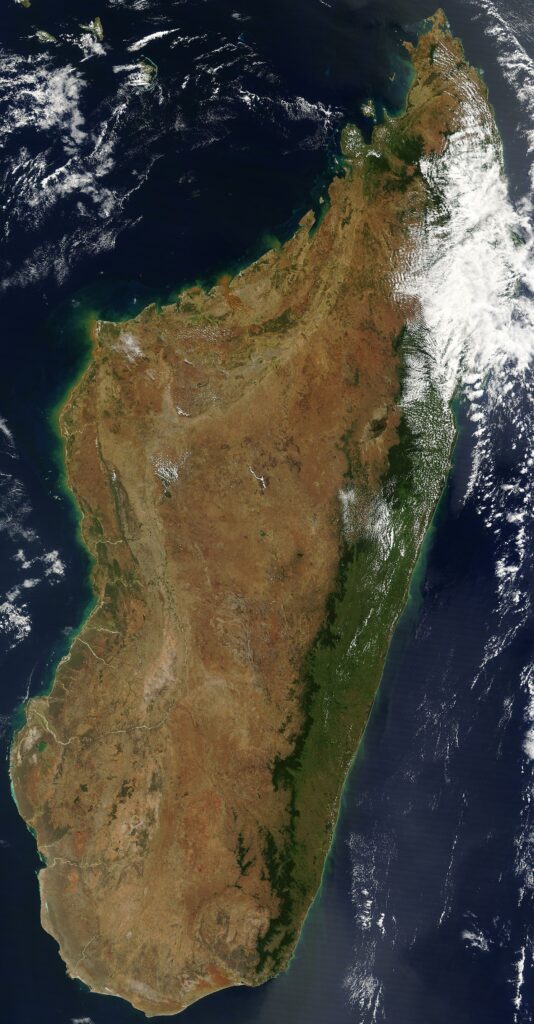
Madagascar is the world's fourth-largest island, separated from Mozambique by the Mozambique Channel. Its landscape shapes its peoples.
The central highlands, home to the Merina and Betsileo, are a plateau of terraced rice fields, granite hills and grasslands, cool in the dry season. Rice is the staple, and highland stories often turn on rice, cattle and ancestral land.
The east coast is wet and once heavily forested, home to the Betsimisaraka and other peoples, with lagoons, rivers and rainforest where indri and other lemurs live. The west is drier savanna and deciduous forest along great rivers such as the Tsiribihina, the land of the Sakalava kingdoms. The south and southwest are semi-arid, with spiny forest, the home of the Antandroy, Mahafaly and Vezo.
The island's animals, almost all found nowhere else, appear in stories: lemurs, chameleons, crocodiles, the aye-aye and the extinct elephant bird.
The land matters as tanindrazana, ancestral land, the place where one's ancestors are buried. It is the word Malagasy use for homeland.
The People · Cultural Foundation · Society
The tradition belongs to the Malagasy, the peoples of Madagascar, who are often listed as eighteen groups, a number fixed in colonial administration and still debated. Among them are the Merina of the central highlands around Antananarivo, the Betsileo of the southern highlands, the Sakalava of the west coast (kingdoms of Menabe and Boina), the Betsimisaraka of the east coast, the Antaimoro of the southeast around Vohipeno, the Antandroy and Mahafaly of the dry south, the Bara of the southern plateau, the Tsimihety of the north, and the Vezo fishing communities of the southwest.
The Malagasy language belongs to the Austronesian family and is most closely related to the Barito languages of southern Borneo, a link set out by Otto Chr. Dahl in 1951. Austronesian settlers arrived during the first millennium CE; dates around the 5th to 7th centuries are commonly given, though archaeologists and linguists still disagree. Bantu-speaking peoples from the East African coast, and later Swahili and Arab traders, joined them, and the island's culture took shape from all of these.
1. Fihavanana: kinship solidarity, the duty to keep good relations within family and community. Stories reward people who share and punish those who break bonds.
2. Respect for the razana: the dead are seniors, not memories. A person's worth is measured by faithfulness to the ancestors and their fady.
3. Hasina: sacred efficacy that flows from ancestors and rightful rulers down to the living. Order is kept when hasina is acknowledged and given back through offerings and respect.
4. Seniority and the ray aman-dreny: elders, literally father-and-mother, speak for the group and their blessing (tso-drano) carries power.
5. Tody: the belief that harm returns to the one who does it. Many tales turn on tody rather than on a hero's victory.
The priority runs collective before individual and ancestor before present. A Western reader may find stories in which the character who obeys an elder's odd command wins, while the clever individualist is undone, or in which the deepest goal of a life is to be laid in the right tomb.
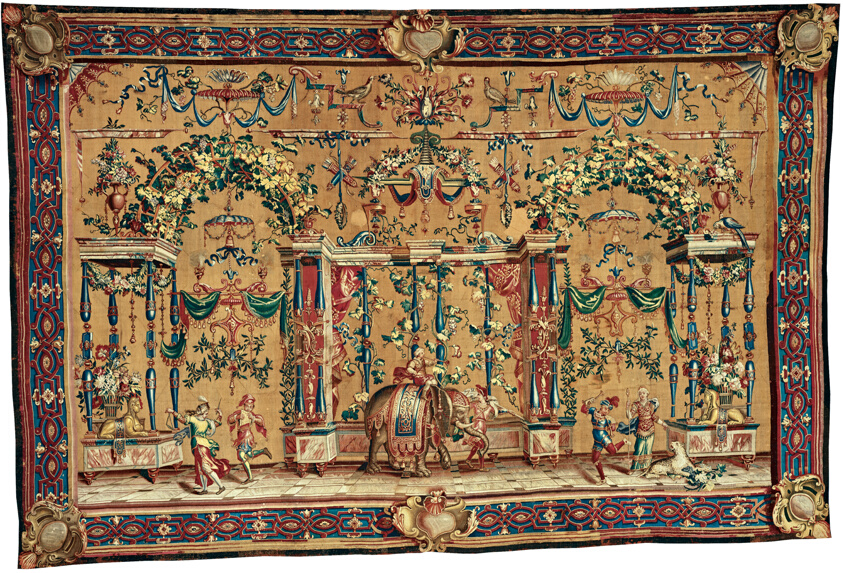
Gender in Madagascar works within kinship and rank more than as a fixed division of power.
Women ruled. From 1828 to 1897 the Merina kingdom was governed by four queens in succession: Ranavalona I, Rasoherina, Ranavalona II and Ranavalona III. Sakalava kingdoms have also had female rulers.
In ritual, women are the majority of tromba mediums in Sakalava regions, as Sharp and Lambek describe, and through possession they speak with royal authority. Women weave the silk shrouds for the dead and are central at famadihana.
Kabary at public events has traditionally been a senior male role, though women orators exist and their number has grown. Sacrifice at the tomb is usually led by senior men of the lineage.
In the highlands, descent is reckoned through both mothers and fathers, and a person may choose which ancestral tomb to join, a choice shaped by marriage and residence. Astuti's work on the Vezo shows identity itself made through what people do, including the gendered work of fishing and trading.
Age is a strong principle of Malagasy social order. Elders are called ray aman-dreny, father-and-mother, a title of respect given to senior people and also to those in authority.
Elders stand closest to the ancestors and will soon join them. They speak for the family at ceremonies, give tso-drano blessing, lead invocations at the tomb and decide when a famadihana will be held. Their curse is feared as much as their blessing is sought.
Adults carry the work of household, field and cattle and the obligation to fund ceremonies. Youth owe obedience and service, and in stories the young character who ignores elders' counsel usually suffers.
What elders hold that others cannot is genealogical knowledge, the history of the family's fady, the location and occupants of tombs, and the authority to speak to the dead on behalf of the living. Among many groups, younger siblings defer to older, and seniority among brothers shapes inheritance and ritual leadership.
Highland Merina society was traditionally divided into andriana (nobles, themselves ranked in several grades), hova (free commoners) and andevo (enslaved people). Slavery was abolished by the French in 1896, but descendants of enslaved people, sometimes called mainty or by other terms, still face discrimination in marriage and burial; Graeber's Lost People (2007) describes this.
Sakalava kingdoms distinguished royal lineages (descended from the Maroserana dynasty), commoners and royal servants with ritual roles at relic shrines. Among the Antaimoro, certain lineages held the role of katibo and ritual specialists.
The ranks were justified by descent and by hasina: nobles were held to carry more of it.
Storytellers come from all ranks for angano. Royal tantara were held by those close to the court, and kabary skill has been associated with respected families. In stories, rank appears constantly: princes and princesses, kings' sons-in-law, and the trickster pair who make fools of the wealthy. Stories rarely question the order but often mock those who abuse it.
The basic unit of Malagasy social life is the descent group, called foko, karazana or by regional terms, which shares an ancestral tomb, ancestral land and a set of fady.
Above the household stands the fokonolona, the village community, which historically regulated local affairs through assemblies of elders and kept customary agreements called dina. The fokonolona remains part of Malagasy administration today.
Above this were kingdoms: Imerina in the highlands, Menabe and Boina on the west coast, and smaller polities such as the Antankarana in the north. In the nineteenth century Imerina extended its rule over much of the island.
Membership carries obligations: to contribute to funerals and famadihana, to keep the family fady, to marry well, and to maintain fihavanana.
Expulsion was traditionally the gravest sanction. A person cast out of the lineage could be denied burial in its tomb, which meant being cut off from the ancestors forever. To be buried alone was to become no one's razana.
Through Time · History
500 to 700 CE is a widely cited window, though some scholars argue for earlier contact.
By the 9th and 10th centuries Bantu-speaking peoples and coastal traders linked the island to the Swahili world, and trading towns such as Mahilaka in the northwest flourished between roughly the 11th and 14th centuries.
By the 16th century the Antaimoro of the southeast were keeping sorabe manuscripts in Arabic script.
In 1500 the Portuguese navigator Diogo Dias sighted the island.
In the 17th century the Maroserana dynasty founded the Sakalava kingdoms of Menabe and later Boina on the west coast.
Around 1787 Andrianampoinimerina began unifying Imerina, and his son Radama I expanded the kingdom from 1810.
In 1818 London Missionary Society missionaries arrived, and a Malagasy Bible was completed by 1835.
Ranavalona I, who ruled from 1828 to 1861, restricted Christianity.
In 1869 Ranavalona II was baptised and the royal sampy were burned.
Austronesian voyagers settled Madagascar during the first millennium CE; c. 500 to 700 CE is a widely cited window, though some scholars argue for earlier contact. By the 9th and 10th centuries Bantu-speaking peoples and coastal traders linked the island to the Swahili world, and trading towns such as Mahilaka in the northwest flourished between roughly the 11th and 14th centuries.
By the 16th century the Antaimoro of the southeast were keeping sorabe manuscripts in Arabic script. In 1500 the Portuguese navigator Diogo Dias sighted the island. In the 17th century the Maroserana dynasty founded the Sakalava kingdoms of Menabe and later Boina on the west coast.
Around 1787 Andrianampoinimerina began unifying Imerina, and his son Radama I expanded the kingdom from 1810. In 1818 London Missionary Society missionaries arrived, and a Malagasy Bible was completed by 1835. Ranavalona I, who ruled from 1828 to 1861, restricted Christianity. In 1869 Ranavalona II was baptised and the royal sampy were burned.
In 1895 French forces took Antananarivo; in 1896 the island was annexed, and in 1897 Ranavalona III was exiled and the monarchy abolished. In 1947 an anti-colonial uprising was violently suppressed. In 1960 Madagascar became independent.
These events live in stories of royal ancestors, in the tromba spirits of kings, and in the memory of 1947.
Madagascar's people arrived by sea. Austronesian settlers brought the language, rice farming, outrigger canoes and, many scholars argue, elements of ancestor practice and secondary burial that recall Southeast Asian traditions. Bantu-speaking migrants from the African mainland brought zebu cattle, much vocabulary and other customs; cattle became central to ritual and wealth.
Malagasy culture is itself a record of exchange. From Southeast Asia came language, rice cultivation and seafaring. From East Africa came cattle, many words and, scholars suggest, some ideas of kingship and spirit possession. From the Islamic Indian Ocean came Arabic script (sorabe), the names of months and days, and astrology and divination such as sikidy and vintana.
Malagasy stories exist first to keep the living connected to the razana. Clan histories tell who is buried in which tomb, which land a family may farm, and which fady its members keep. Royal histories, such as the Merina narratives gathered in the Tantara ny Andriana, explained the rule of kings and the order of noble ranks. History pressed hard on the tradition.
The Sacred · Deities and Spirits
The choice of death like the moon or like the banana tree; invoked at the opening of sacrifices across many regions.
Zatovo who was not made by God, in which Zatovo climbs to the sky to seek Andriamanitra's daughter.
Clan founding histories; dreams of ancestors who ask for new shrouds; the famadihana return of the dead.
Merina histories of the first kings displacing the Vazimba; the tale of Ranoro.
The tale of Ranoro and the broken salt fady.
The Fanompoambe service at the royal shrine in Mahajanga.
Sakalava royal histories retold through possession; spirits of kings who return through mediums.
Regional tales of encounters in forests; stories of kalanoro who aid or trick humans.
Tales of ghosts of the improperly buried; beliefs linking lolo with butterflies and moths.
Sacredness in Madagascar is carried above all by the tomb (fasana), the family's house of the dead. Tombs are built more lastingly than houses for the living, and in the south they carry carved posts and zebu horns from funeral sacrifices.
Zebu (omby) are the principal sacrificial animals; their blood and fat carry blessing. Water is sacred in blessing (tso-drano, the blowing of water) and in royal baths. Silk shrouds (lamba mena, often of wild silk) wrap the dead. Certain trees, rocks and springs mark Vazimba graves.
Royal relics are sacred in Sakalava kingdoms, and in the Merina kingdom the royal talismans called sampy were sacred until their burning in 1869. Ody, personal and protective charms, are made by ombiasy.
The mechanism of sacredness is hasina, a sacred efficacy that comes from the ancestors and rightful rulers, and fady, which marks what holds hasina by forbidding misuse. A thing becomes sacred by its link to ancestors and by the prohibitions that guard it.
At the top stands a creator, called Zanahary in many regions and Andriamanitra (often glossed fragrant lord) in the highlands. Some traditions speak of a Zanahary above and a Zanahary below, the creator of the sky and the creator of the earth. In Christian usage since the nineteenth century, Andriamanitra names the God of the Bible. The creator is honoured in invocations, but daily religious life does not centre on him.
Below the creator come the razana, the ancestors, who are the most actively honoured beings and who mediate blessing.
In kingdoms, royal ancestors outrank common ancestors and act for the whole realm; among the Sakalava these royal spirits return as tromba.
Alongside them are the Vazimba, spirits of the first inhabitants and owners of the land, and nature beings such as the kalanoro.
The relationship to humans is one of hierarchy and reciprocity: superior beings give hasina and blessing, and the living return respect, offerings and obedience to fady.
The razana are present and active. They are the source of blessing, fertility and health, and they watch over whether descendants keep their fady and honour their tombs.
Ancestors communicate chiefly through dreams, through illness or misfortune that a diviner traces to them, and, in Sakalava and related areas, through tromba mediums who are possessed by royal ancestors and speak in their voices. In the highlands, a razana may appear in a dream to say that he or she is cold, which is a request for a new shroud and often prompts a famadihana.
Protocol is formal. Ancestors are addressed at the tomb, at the northeast corner of the house (the corner associated with them in highland houses), or by an elder in invocation. Offerings include rum, honey, rice and the sacrifice of zebu. Speech to them begins with asking pardon.
What the ancestors want is remembrance, a proper resting place, care of the tomb, observance of fady, and descendants who stay united.
Malagasy belief does not describe the spirit world as a sequence of distant heavens. The unseen is woven into the same landscape the living inhabit.
The sky is the domain of Zanahary or Andriamanitra, the creator, generally regarded as remote. On the land and in the waters dwell the razana in their tombs, the Vazimba at their graves, springs and rocks, the kalanoro of the forests, and the lolo and angatra, souls and ghosts of the dead. Royal ancestors dwell at their shrines and relics and return through mediums.
Crossing happens in both directions under specific conditions. The dead come to the living through dreams, possession and illness. The living approach the dead at the tomb, through offerings and, at famadihana, by bringing the bodies out into daylight. Ritual specialists, especially the ombiasy and the saha (medium), are the ones who regularly cross.
Movement across is governed by fady, by vintana (the right day), and by the blessing of elders.
Malagasy rituals mark the transitions of life and keep the relationship with the dead in good repair.
Transition rites include circumcision (famorana among the Merina; the large collective Sambatra of the Antambahoaka at Mananjary, held at intervals of about seven years), marriage with its exchange of kabary and the vodiondry gift, and burial.
Restoration rites include sacrifice of zebu to ask the ancestors' blessing or forgiveness, purification after a fady has been broken, and healing ceremonies led by an ombiasy. Famadihana in the highlands, and the Sakalava royal services such as the Fanompoambe at Mahajanga and the Fitampoha at Belo-sur-Tsiribihina, renew the bond between rulers, ancestors and people.
Every major ritual has a date fixed by a mpanandro, an opening kabary, an invocation to ancestors, and a shared meal, often of beef from the sacrificed animal.
In stories, rituals appear as turning points and as resolutions: divination sets the hero's course, a broken fady triggers loss, and a proper burial closes a life.
Zanahary, in many regions, and Andriamanitra, in the highlands, name the creator. Invocations often address the creator first, then the ancestors. The creator is generally remote and has no images; in the tale of the choice of death, Zanahary offers the first people death like the moon or death like the banana tree. In Christian usage Andriamanitra is the God of the Bible.
The razana, the ancestors as a collective, are the most important beings in daily religious life. Their symbols are the tomb, the shroud, the zebu horns on tomb posts, and in the highlands the northeast corner of the house. Ritual protocol requires asking pardon, offerings of rum, honey and meat, and the keeping of their fady.
Royal ancestors, among the Sakalava, are honoured at relic shrines and return through tromba mediums, each with personal tastes in dress, drink and manner. The Boina royal ancestors called Ndramisara Efadahy are honoured at Mahajanga.
The Vazimba, spirits of the first owners of the land, receive offerings at their graves and springs.
No physical description of the creator is given in the tradition; razana and royal spirits are known by their former lives.
Razana are ancestral spirits, the honoured dead of a family, who bless, warn and punish.
Tromba are royal ancestral spirits, mainly among the Sakalava and neighbouring peoples, who possess mediums (saha) and speak through them. Each has a known identity and history.
Vazimba are spirits of the first inhabitants, dwelling at waters, rocks and graves. They can cause illness if disturbed, and offerings at Vazimba sites ask their goodwill. Ranoro, who rose from the water to marry a highland ancestor, is a Vazimba woman in many tellings.
Kalanoro are small forest beings, often described with backward-pointing feet and long hair, who may help or trick humans; stories differ widely by region.
Lolo and angatra are souls and ghosts of the dead, especially those not properly buried or remembered. Lolo is also the word for butterfly and moth, and the link between the two is noted in many regions.
The rule of interaction is respect and caution: approach through proper offerings, observe fady, and rely on specialists when spirits trouble a household.
The fanany is a serpent, sometimes said to have seven heads, which in Betsileo belief emerges from the body of a dead noble as it decays; it was treated with respect as the continuing presence of the ruler. Sibree and later scholars recorded this.
Crocodiles (voay) of certain lakes, especially Lake Anivorano, are held to be transformed people or ancestors, and receive offerings; killing them is fady.
The babakoto, the indri lemur, is in many eastern traditions kin to humans, descended from a brother who chose to stay in the forest. It is fady to hunt it, and its song is sometimes linked to the dead.
The aye-aye (hay-hay) is in some regions a bad omen, and stories of its finger pointing at a person as a sign of death were recorded; the fady varies by place.
Itrimobe is an ogre who appears in highland tales recorded by Dahle, a devourer outwitted by clever children or heroes.
Giants such as Rapeto in Imerina and Darafify on the east coast are said to have shaped hills, lakes and rivers.
The vorombe, the extinct elephant bird, survives in memory and is linked by some writers to the legend of the roc.
Fady are prohibitions that mark sacred order in Madagascar. Ruud's study (1960) records thousands.
They operate at several levels. Personal fady may be set by an ombiasy because of a person's vintana. Family fady are inherited from an ancestor, often with a story: not eating a particular animal that once helped a forebear, not naming salt, not working on a certain day. Regional and royal fady govern whole areas: some lakes and forests may not be fished or entered without permission, some animals such as the indri and crocodiles of certain lakes may not be harmed, and certain days are forbidden for burials. Fady also govern speech, such as avoiding a dead ruler's name.
Violation brings illness, misfortune or barrenness, sometimes at once, often later, and may fall on a whole family. Most breaches can be repaired by sacrifice and asking pardon.
What cannot be undone in many stories is a separation: Ranoro, once the salt fady is broken, never returns. Burial outside the family tomb was traditionally the gravest exclusion.
This part carries no pictures. Gods, spirits, the ancestors and ceremonies are named, with their roles, and drawn as marks only.
The Stories · Signature Stories
Ibonia is the great epic of Madagascar, recorded in Malagasy in the nineteenth century and published by Lars Dahle in 1877; Lee Haring translated and studied it (1994). A royal woman long without a child seeks help through divination and receives the promise of a son.
And 1 more stories in the catalog below.
The Telling · Oral Tradition · Narrative Structure
The Figures · Survival and Diaspora
The wonder-child hero, like Ibonia, is marked from birth by speech or strength, sets out to claim what is his, and returns to rule and teach. His arc moves outward and back home.
The self-assertive youth, like Zatovo, challenges a higher power and must prove his worth through tasks. He is often helped by animals or small creatures, showing that success depends on alliances.
The trickster pair, Ikotofetsy and Imahaka, live by cons. They do not grow; their stories expose the greed and gullibility of others and sometimes end in their punishment.
The water-wife or spirit-spouse, like Ranoro, brings blessing on a condition. When the condition is broken she leaves, and her departure founds a fady for her descendants.
The ogre or devourer, like Itrimobe, threatens the young and is outwitted.
The ombiasy, the diviner, appears at the turning of many tales to reveal the hidden cause or the right path.
The ancestor, in clan histories, arrives, settles, sets fady and is buried, becoming the reference point for the community.
Survival and diaspora
Yes. Fomban-drazana is a living tradition across Madagascar. Families still build and maintain ancestral tombs, keep fady, sacrifice zebu at important occasions, and consult ombiasy and mpanandro.
Malagasy people were carried away through the slave trade, especially in the seventeenth to nineteenth centuries, to Mauritius, Réunion, the Cape Colony and elsewhere in the Indian Ocean, and in smaller numbers to the Americas. On Réunion, the servis kabaré, an ancestral offering ceremony, draws on Malagasy roots and is practised by Réunionnais who honour their forebears.
Because fomban-drazana never stopped being practised, much contemporary work is about recognition and return rather than revival. The Académie Malgache has long published on Malagasy language, history and oral literature. Scholars at the University of Antananarivo and Malagasy writers have studied and republished kabary, hainteny and tantara.
The Catalog · its places, peoples, practices and sources

The World Bible
For the reader who wants all of it: every section of Island Spirits, in its eleven parts.
The Malagasy name for this body of custom and belief is fomban-drazana, the ways of the ancestors (pronounced roughly foom-ban-DRAH-zan; the final vowel is barely voiced). Its root is razana, the ancestors (RAH-zan), and its companion terms are fady, prohibition (FAH-dee), and hasina, sacred efficacy (HAH-sheen).
The language is Malagasy, written in Latin script since the early nineteenth century and earlier, in the southeast, in sorabe, an Arabic-derived script. Variants follow the island's regional dialects: the highland Merina form is the official standard, while Sakalava, Betsimisaraka, Antandroy and other speakers have their own forms of the same words (in the west and north, for example, razana and the royal ancestors called tromba are spoken of in Sakalava terms).
The stories themselves are called angano (folktales), tantara (histories, especially royal and clan histories) and arira or tafasiry in some regions. Fixed speech forms have their own names: kabary (formal oratory), ohabolana (proverbs) and hainteny (highland poetic dialogue).
The tradition belongs to the Malagasy, the peoples of Madagascar, who are often listed as eighteen groups, a number fixed in colonial administration and still debated. Among them are the Merina of the central highlands around Antananarivo, the Betsileo of the southern highlands, the Sakalava of the west coast (kingdoms of Menabe and Boina), the Betsimisaraka of the east coast, the Antaimoro of the southeast around Vohipeno, the Antandroy and Mahafaly of the dry south, the Bara of the southern plateau, the Tsimihety of the north, and the Vezo fishing communities of the southwest.
The Malagasy language belongs to the Austronesian family and is most closely related to the Barito languages of southern Borneo, a link set out by Otto Chr. Dahl in 1951. Austronesian settlers arrived during the first millennium CE; dates around the 5th to 7th centuries are commonly given, though archaeologists and linguists still disagree. Bantu-speaking peoples from the East African coast, and later Swahili and Arab traders, joined them, and the island's culture took shape from all of these.
Malagasy stories exist first to keep the living connected to the razana. Clan histories tell who is buried in which tomb, which land a family may farm, and which fady its members keep. Royal histories, such as the Merina narratives gathered in the Tantara ny Andriana, explained the rule of kings and the order of noble ranks.
History pressed hard on the tradition. The unification of Imerina under Andrianampoinimerina around 1800, the coming of Protestant missions in 1818, the persecution of Christians under Ranavalona I, the burning of the royal talismans in 1869, French conquest in 1895 and the uprising of 1947 all left marks in what people tell and how.
The line between sacred and secular is drawn by occasion. Angano, including trickster tales and ogre stories, are told for teaching and pleasure, often in the evening. Ancestral speech at tomb ceremonies, invocations before a sacrifice of zebu, and the words of tromba mediums are sacred, governed by fady and spoken by people with the right to speak them.
This entry is built from published scholarship and recorded Malagasy texts. Community review by Malagasy elders, mpanandro (day-readers) and speakers has not yet taken place, and every catalog item is marked to check.
Principal published sources: the Tantara ny Andriana eto Madagasikara, Merina royal histories gathered from tellers by François Callet (1873 to 1902); Lars Dahle's Specimens of Malagasy Folk-lore (1877), the main early collection of angano and the Ibonia epic, recorded from Malagasy tellers; Jean Paulhan's Les Hain-Tenys merinas (1913); Jørgen Ruud on fady (1960); Maurice Bloch on Merina tombs and famadihana (1971); Lee Haring on Malagasy verbal art and Ibonia (1982, 1992, 1994); Gillian Feeley-Harnik and Michael Lambek on Sakalava royal ancestors; Lesley Sharp on tromba; Rita Astuti on the Vezo; David Graeber on the legacy of slavery in the highlands.
Malagasy institutions that have long engaged with this tradition include the Académie Malgache, founded in 1902, and the Musée d'Art et d'Archéologie of the University of Antananarivo.
1. Fihavanana: kinship solidarity, the duty to keep good relations within family and community. Stories reward people who share and punish those who break bonds.
2. Respect for the razana: the dead are seniors, not memories. A person's worth is measured by faithfulness to the ancestors and their fady.
3. Hasina: sacred efficacy that flows from ancestors and rightful rulers down to the living. Order is kept when hasina is acknowledged and given back through offerings and respect.
4. Seniority and the ray aman-dreny: elders, literally father-and-mother, speak for the group and their blessing (tso-drano) carries power.
5. Tody: the belief that harm returns to the one who does it. Many tales turn on tody rather than on a hero's victory.
The priority runs collective before individual and ancestor before present. A Western reader may find stories in which the character who obeys an elder's odd command wins, while the clever individualist is undone, or in which the deepest goal of a life is to be laid in the right tomb.
Causation in Malagasy thought is layered. An illness or misfortune may have a natural cause, but people also ask whether a fady was broken, whether the razana are displeased, whether vintana (destiny set by the day and hour of birth) is at work, or whether someone has used harmful charms. An ombiasy (diviner-healer) may use sikidy divination to find which.
The individual is a link in a descent line. In the highlands a person's life moves toward the family tomb; Bloch described Merina identity as anchored in the tomb and its land more than in the house.
Time is both genealogical and cyclical. Genealogies run back to founding ancestors, while ritual time follows a calendar of auspicious and inauspicious days, partly derived from Arabic astrology, and ceremonies such as famadihana return the dead to the living at intervals.
Reality is single but layered: the dead, the Vazimba, nature spirits and the living share one land. The unseen is near and active rather than far away.
Stories are told to teach conduct, to explain fady and the origins of clans and places, to keep royal genealogy and to entertain.
Tellers differ by genre. Angano are told by anyone, especially older women and men to children in the evening. Kabary belongs to skilled orators, usually senior men, who speak at weddings, funerals, famadihana and public meetings; mastery of kabary is a mark of standing. Royal and clan tantara were kept by designated elders and royal servants. In Sakalava regions the royal ancestors themselves speak through tromba mediums.
Occasions range from daily evening tales to the speeches that open every life-cycle ceremony, to crisis, when an ombiasy recounts the cause of misfortune.
Power runs through the right to speak. A kabary opens by asking pardon (mialatsiny) of elders and ancestors before the speaker presumes to speak at all, and the audience judges whether he has honoured them.
Malagasy storytelling is a hybrid of three patterns.
The first is the quest-and-trial tale, best seen in Ibonia and in Zatovo's ascent to the sky: a hero sets out, faces tests set by a powerful being, and succeeds through help that others give him. The second is the aetiological tale, which ends by explaining something present: why a lake holds crocodiles, why people die like the banana tree, why a family will not eat a certain food. These stories move backward from the present fact to its cause. The third is the genealogical history, the tantara, which moves forward through generations of rulers and their deeds.
In all three the story's movement is toward placing something correctly: a person in a lineage, a prohibition in a family, a ruler in his line. A story is complete when the listener knows what is now owed and to whom. Kabary frames many narratives, so that a tale is embedded within an orator's courtesies, proverbs and closing blessings.
Narrative tension in Malagasy tales comes most often from a breach of order rather than from a clash of wills.
The classic breach is a broken fady. In the tale of Ranoro, a water-born woman marries a man on condition that salt is never named; when he breaks the condition, she returns to the water, and the loss explains a fady his descendants keep. In the Anivorano legend a village refuses water to a stranger and is drowned. The tension in these stories is the question of whether the promise will hold.
A second source is the challenge to rank: Zatovo boasts that he was not made by Andriamanitra and must prove it before the sky's ruler. A third is greed and trickery, worked through in the deeds of Ikotofetsy and Imahaka, whose cons expose the foolishness of their victims.
In ancestral narratives, tension is imbalance between living and dead: a neglected tomb, an unfulfilled request in a dream. The story moves to put the relationship right.
Malagasy stories have several kinds of protagonist, and which one leads shapes the tale.
Individual heroes lead the epic and quest tales: Ibonia, the child who speaks before birth, or Zatovo, the self-made youth. They are exceptional, but their success depends on helpers, divination and right relationship to powerful elders.
Tricksters lead comic tales. Ikotofetsy and Imahaka are a pair, and their stories follow a chain of cons with no reform at the end.
In clan histories and royal tantara the protagonist is the descent line itself: a founding ancestor arrives, takes land, sets fady and is buried, and the descendants carry the story onward.
In ancestral ritual narratives the protagonist may be a razana or a royal spirit speaking through a medium, asking for a new shroud, a ceremony or the correction of a fault. Here the living are the supporting cast and the dead drive events.
A satisfying Malagasy ending restores or establishes order, and often leaves something lasting in the world.
Aetiological tales end with a fact that still holds: the crocodiles of Lake Anivorano, a lineage's fady against salt, the mortality of human beings who chose children over return. The listener leaves knowing why things are as they are.
Hero tales end with incorporation: Ibonia regains his betrothed and returns to rule, and in many versions the epic closes with his instructions to the people, so that the ending becomes law. Zatovo is accepted as a son-in-law in the sky.
Trickster tales often end with punishment or simply with the next trick; they resolve nothing and are not meant to.
In ritual life, the best resolution is a good burial and continuing remembrance: a person becomes razana in the family tomb, honoured at famadihana. A death far from the tomb, or a body never returned, is the unhappiest ending the tradition knows.
Malagasy narrative time works on two tracks at once.
The first is genealogical and forward-moving. Tantara count rulers and generations, and kabary often recites a line of ancestors before reaching the present matter. Royal histories run from the first Vazimba era through the reigns of named kings.
The second is cyclical and ritual. Days carry vintana, good or ill destiny; mpanandro choose dates for weddings, burials and famadihana by this reckoning, which shares roots with Arabic astrology. The Sakalava royal relic baths are held at long intervals, and the old Merina Fandroana marked the royal new year.
Within stories, the deep past is not sealed off. The Vazimba still dwell at their graves and waters; the razana return to the living when tombs are opened. A narrative may thus begin in the time of the first ancestors and end in the listener's present, with the same beings active in both.
Community is rarely mere background in Malagasy tales. The fokonolona (village community) and the descent group (foko or karazana) are the frame within which every hero acts and the audience to which every story is addressed.
Individuals relate to community through obligation. A hero who succeeds brings home a spouse, wealth or knowledge and shares it; a character who hoards or refuses hospitality, like the villagers of Anivorano, brings disaster on the whole settlement, not on one person.
In clan histories the community is effectively the protagonist: the story belongs to everyone who shares the tomb.
What the community expects of a story is correctness and courtesy. A kabary that skips the proper greetings to elders and ancestors fails however eloquent it is. A tale should leave listeners clearer about their duties, and an orator is judged by how well he binds the gathered people together.
Malagasy morality is relational. Right action depends on who you are, whose descendant you are, and what fady your line keeps. A food permitted to one family is forbidden to its neighbours, and neither is wrong.
Some things are condemned broadly: refusing hospitality, disrespecting elders, neglecting the dead, breaking fady, and using harmful charms against others. The figure of the mpamosavy (one who does sorcery) stands for the worst inversion of social life.
Honour comes from fihavanana, from generosity, from fulfilling obligations to the razana, and from speaking well and modestly.
Stories teach this logic through consequence. Tody, the return of harm to the doer, is often the engine: the one who deceives is deceived, the one who refuses water loses everything. Tsiny, the blame or reproach that attaches to a wrong act, is avoided by asking pardon. Morality is therefore learned less as rules than as patterns of what happens to people who act in certain ways.
The central transformation in Malagasy thought is from living person to razana. Death is not an ending but a change of status, completed only when the body rests in the family tomb and, in the highlands, when famadihana turns the dead from individuals into members of the collective ancestry. Bloch describes this as a movement from the particular to the communal.
In stories, transformation is often a consequence rather than a goal. The villagers of Anivorano become crocodiles; a brother who stays in the forest becomes the first babakoto (indri); the corpse of a ruler, in Betsileo belief, may yield the fanany serpent. These transformations explain present kinship with animals and the fady that follows.
The tradition celebrates transformations that join: marriage, circumcision, becoming an elder, becoming an ancestor. It mourns those that separate: the water-wife who returns to the river, the dead person lost at sea or buried far from home, the descendant who forgets the tomb.
Sacredness in Madagascar is carried above all by the tomb (fasana), the family's house of the dead. Tombs are built more lastingly than houses for the living, and in the south they carry carved posts and zebu horns from funeral sacrifices.
Zebu (omby) are the principal sacrificial animals; their blood and fat carry blessing. Water is sacred in blessing (tso-drano, the blowing of water) and in royal baths. Silk shrouds (lamba mena, often of wild silk) wrap the dead. Certain trees, rocks and springs mark Vazimba graves.
Royal relics are sacred in Sakalava kingdoms, and in the Merina kingdom the royal talismans called sampy were sacred until their burning in 1869. Ody, personal and protective charms, are made by ombiasy.
The mechanism of sacredness is hasina, a sacred efficacy that comes from the ancestors and rightful rulers, and fady, which marks what holds hasina by forbidding misuse. A thing becomes sacred by its link to ancestors and by the prohibitions that guard it.
The razana are present and active. They are the source of blessing, fertility and health, and they watch over whether descendants keep their fady and honour their tombs.
Ancestors communicate chiefly through dreams, through illness or misfortune that a diviner traces to them, and, in Sakalava and related areas, through tromba mediums who are possessed by royal ancestors and speak in their voices. In the highlands, a razana may appear in a dream to say that he or she is cold, which is a request for a new shroud and often prompts a famadihana.
Protocol is formal. Ancestors are addressed at the tomb, at the northeast corner of the house (the corner associated with them in highland houses), or by an elder in invocation. Offerings include rum, honey, rice and the sacrifice of zebu. Speech to them begins with asking pardon.
What the ancestors want is remembrance, a proper resting place, care of the tomb, observance of fady, and descendants who stay united.
Malagasy belief does not describe the spirit world as a sequence of distant heavens. The unseen is woven into the same landscape the living inhabit.
The sky is the domain of Zanahary or Andriamanitra, the creator, generally regarded as remote. On the land and in the waters dwell the razana in their tombs, the Vazimba at their graves, springs and rocks, the kalanoro of the forests, and the lolo and angatra, souls and ghosts of the dead. Royal ancestors dwell at their shrines and relics and return through mediums.
Crossing happens in both directions under specific conditions. The dead come to the living through dreams, possession and illness. The living approach the dead at the tomb, through offerings and, at famadihana, by bringing the bodies out into daylight. Ritual specialists, especially the ombiasy and the saha (medium), are the ones who regularly cross.
Movement across is governed by fady, by vintana (the right day), and by the blessing of elders.
Malagasy rituals mark the transitions of life and keep the relationship with the dead in good repair.
Transition rites include circumcision (famorana among the Merina; the large collective Sambatra of the Antambahoaka at Mananjary, held at intervals of about seven years), marriage with its exchange of kabary and the vodiondry gift, and burial.
Restoration rites include sacrifice of zebu to ask the ancestors' blessing or forgiveness, purification after a fady has been broken, and healing ceremonies led by an ombiasy. Famadihana in the highlands, and the Sakalava royal services such as the Fanompoambe at Mahajanga and the Fitampoha at Belo-sur-Tsiribihina, renew the bond between rulers, ancestors and people.
Every major ritual has a date fixed by a mpanandro, an opening kabary, an invocation to ancestors, and a shared meal, often of beef from the sacrificed animal.
In stories, rituals appear as turning points and as resolutions: divination sets the hero's course, a broken fady triggers loss, and a proper burial closes a life.
At the top stands a creator, called Zanahary in many regions and Andriamanitra (often glossed fragrant lord) in the highlands. Some traditions speak of a Zanahary above and a Zanahary below, the creator of the sky and the creator of the earth. In Christian usage since the nineteenth century, Andriamanitra names the God of the Bible. The creator is honoured in invocations, but daily religious life does not centre on him.
Below the creator come the razana, the ancestors, who are the most actively honoured beings and who mediate blessing.
In kingdoms, royal ancestors outrank common ancestors and act for the whole realm; among the Sakalava these royal spirits return as tromba.
Alongside them are the Vazimba, spirits of the first inhabitants and owners of the land, and nature beings such as the kalanoro.
The relationship to humans is one of hierarchy and reciprocity: superior beings give hasina and blessing, and the living return respect, offerings and obedience to fady.
Malagasy oral art places great weight on indirect, polished speech.
Kabary, formal oratory, follows a set order: asking pardon (mialatsiny), greetings to elders, ancestors and authorities, the main matter, and blessings. Orators weave in ohabolana (proverbs) and fixed images, and they avoid blunt statement; skill lies in saying difficult things gracefully.
Hainteny, the highland poetic form recorded by Paulhan, are short exchanges built on paired images and parallel lines, often in dialogue between lovers or rivals. Their power is in allusion; a listener must catch the implied meaning.
Angano are told in plainer speech, with repetitions of key actions (three tries, three helpers), formulaic openings and closings, and voices for characters. Many tales include short songs.
Silence and indirection are part of the art. A speaker may pause, let a proverb stand without explanation, or decline to name the dead directly, and the audience completes the meaning.
Music is bound up with Malagasy ritual and storytelling. The valiha, a tube zither of bamboo, is the island's emblematic instrument; the marovany, a box zither, is played at tromba ceremonies to call royal spirits; the kabosy is a small lute; the sodina an end-blown flute. Drums, rattles and accordions are common at ceremonies, and at famadihana brass bands and hira gasy troupes often play.
Hira gasy, a highland performance form, combines kabary, song, dance and moral comedy by costumed troupes, usually in competition at open-air events.
At tromba ceremonies, mediums dress in the clothing associated with the royal ancestor they receive, and the ceremony's music, dress and offerings follow that ancestor's preferences.
In kabary the orator stands, usually wrapped in a lamba, the traditional shawl, and speaks with measured gestures. At famadihana the body itself dances: descendants carry the wrapped dead on their shoulders and dance with them around the tomb.
Listeners take an active part in Malagasy performance.
In kabary, the gathered audience responds to well-turned phrases with murmurs of assent, and in wedding negotiations the two families' orators answer each other in turn, so that the speech becomes a dialogue. A poor speech may be met with silence or, in negotiation, with a request for a better offer.
Hainteny were traditionally performed as exchanges, one speaker answering another's image with a counter-image, sometimes in contest.
In angano, children answer the teller, repeat songs embedded in the tale and are asked what a character should do.
At hira gasy, audiences cheer, comment and judge between troupes. At tromba ceremonies, participants sing and clap to call the spirit, speak to it once it has arrived, and bring it their requests.
At famadihana, the whole family takes part: they lift and carry the dead, wrap them in new shrouds, speak to them and dance with them. The audience is the ceremony.
Several devices hold Malagasy tradition across generations.
Genealogy is the backbone. Orators and elders recite lines of ancestors at ceremonies, and the tomb itself, with the known names of those laid in it, is a record of descent.
Fady act as memory: a family that does not eat a certain food carries, in the prohibition, the story of why. Asking why a fady exists is often how a child first hears an ancestral story.
Fixed forms help: proverbs, the standard order of kabary, the paired lines of hainteny and the repeated songs of angano.
Writing entered early. In the southeast, Antaimoro katibo (scribes) kept sorabe, manuscripts in Arabic script, for centuries. In the nineteenth century, Malagasy scholars and missionaries wrote down royal histories and tales, producing the Tantara ny Andriana and Dahle's collection.
Specialists, including mpanandro, ombiasy and royal guardians of relic shrines, hold knowledge that others cannot.
The core of Malagasy spiritual power is hasina, a sacred efficacy flowing from the creator, ancestors and rightful rulers. Hasina makes blessings work, charms effective and authority legitimate.
Power is worked through ody, charms made by an ombiasy from wood, plant matter and other substances, which protect, heal, bring luck or ward off harm. Sikidy, divination with seeds arranged in figures, reveals causes and right action; it is related to the Arabic geomancy known across the Islamic world. Vintana, the destiny attached to days, shapes what may be done when.
What can be done: healing, protection, finding the source of misfortune, choosing auspicious days, communicating with the dead through mediums.
What cannot: a person cannot escape vintana entirely, though it can be softened by rites; one cannot command the ancestors, only petition them.
The unstated rule is reciprocity. Power received must be acknowledged and returned. Harmful use, associated with the mpamosavy, is condemned and feared.
Power in Madagascar comes from several sources, all tied to relationship.
Ancestral: the razana are the main source of blessing for ordinary people. Elders, as those closest to the ancestors, give tso-drano, the blessing of water, to juniors.
Royal: rulers held hasina in concentrated form. In the Merina kingdom subjects gave the king hasina, an offering of an uncut silver coin, to acknowledge it. Sakalava royal relics and royal spirits remain sources of power for their communities.
Specialist knowledge: ombiasy and mpanandro gain power through learning, often inherited within families and then taught, and in the southeast Antaimoro specialists were long renowned for astrological and divinatory skill.
Place: Vazimba sites, springs and tombs hold power for those who approach them properly.
The cost is obligation. Those who receive power must keep the fady attached to it, make offerings and serve. Tromba mediums, for instance, must observe the fady of the royal spirit they receive, and a charm brings its own prohibitions.
Fady are prohibitions that mark sacred order in Madagascar. Ruud's study (1960) records thousands.
They operate at several levels. Personal fady may be set by an ombiasy because of a person's vintana. Family fady are inherited from an ancestor, often with a story: not eating a particular animal that once helped a forebear, not naming salt, not working on a certain day. Regional and royal fady govern whole areas: some lakes and forests may not be fished or entered without permission, some animals such as the indri and crocodiles of certain lakes may not be harmed, and certain days are forbidden for burials. Fady also govern speech, such as avoiding a dead ruler's name.
Violation brings illness, misfortune or barrenness, sometimes at once, often later, and may fall on a whole family. Most breaches can be repaired by sacrifice and asking pardon.
What cannot be undone in many stories is a separation: Ranoro, once the salt fady is broken, never returns. Burial outside the family tomb was traditionally the gravest exclusion.
Circumcision is the main male rite of transition across much of Madagascar. Among the Merina it is called famorana and is held for boys with an elaborate ceremony involving water brought from a sacred source and the blessing of elders. Among the Antambahoaka at Mananjary the Sambatra is a collective circumcision held at intervals of about seven years, drawing large gatherings. The rite makes a boy a full member of his descent group, able in time to be laid in its tomb.
Tromba mediumship is a different kind of initiation: a person, often a woman, falls ill or is troubled, a diviner identifies a royal spirit seeking a medium, and a ceremony establishes the spirit in that person. From then on she keeps the spirit's fady and receives it at ceremonies.
Ombiasy and mpanandro learn their knowledge through apprenticeship, often within families. The content of these trainings, and of royal installation rites, belongs to their keepers and is not described here.
What dies in these rites is the unattached child or the untroubled self; what is born is a person bound to ancestors.
Gender in Madagascar works within kinship and rank more than as a fixed division of power.
Women ruled. From 1828 to 1897 the Merina kingdom was governed by four queens in succession: Ranavalona I, Rasoherina, Ranavalona II and Ranavalona III. Sakalava kingdoms have also had female rulers.
In ritual, women are the majority of tromba mediums in Sakalava regions, as Sharp and Lambek describe, and through possession they speak with royal authority. Women weave the silk shrouds for the dead and are central at famadihana.
Kabary at public events has traditionally been a senior male role, though women orators exist and their number has grown. Sacrifice at the tomb is usually led by senior men of the lineage.
In the highlands, descent is reckoned through both mothers and fathers, and a person may choose which ancestral tomb to join, a choice shaped by marriage and residence. Astuti's work on the Vezo shows identity itself made through what people do, including the gendered work of fishing and trading.
Age is a strong principle of Malagasy social order. Elders are called ray aman-dreny, father-and-mother, a title of respect given to senior people and also to those in authority.
Elders stand closest to the ancestors and will soon join them. They speak for the family at ceremonies, give tso-drano blessing, lead invocations at the tomb and decide when a famadihana will be held. Their curse is feared as much as their blessing is sought.
Adults carry the work of household, field and cattle and the obligation to fund ceremonies. Youth owe obedience and service, and in stories the young character who ignores elders' counsel usually suffers.
What elders hold that others cannot is genealogical knowledge, the history of the family's fady, the location and occupants of tombs, and the authority to speak to the dead on behalf of the living. Among many groups, younger siblings defer to older, and seniority among brothers shapes inheritance and ritual leadership.
Highland Merina society was traditionally divided into andriana (nobles, themselves ranked in several grades), hova (free commoners) and andevo (enslaved people). Slavery was abolished by the French in 1896, but descendants of enslaved people, sometimes called mainty or by other terms, still face discrimination in marriage and burial; Graeber's Lost People (2007) describes this.
Sakalava kingdoms distinguished royal lineages (descended from the Maroserana dynasty), commoners and royal servants with ritual roles at relic shrines. Among the Antaimoro, certain lineages held the role of katibo and ritual specialists.
The ranks were justified by descent and by hasina: nobles were held to carry more of it.
Storytellers come from all ranks for angano. Royal tantara were held by those close to the court, and kabary skill has been associated with respected families. In stories, rank appears constantly: princes and princesses, kings' sons-in-law, and the trickster pair who make fools of the wealthy. Stories rarely question the order but often mock those who abuse it.
The basic unit of Malagasy social life is the descent group, called foko, karazana or by regional terms, which shares an ancestral tomb, ancestral land and a set of fady.
Above the household stands the fokonolona, the village community, which historically regulated local affairs through assemblies of elders and kept customary agreements called dina. The fokonolona remains part of Malagasy administration today.
Above this were kingdoms: Imerina in the highlands, Menabe and Boina on the west coast, and smaller polities such as the Antankarana in the north. In the nineteenth century Imerina extended its rule over much of the island.
Membership carries obligations: to contribute to funerals and famadihana, to keep the family fady, to marry well, and to maintain fihavanana.
Expulsion was traditionally the gravest sanction. A person cast out of the lineage could be denied burial in its tomb, which meant being cut off from the ancestors forever. To be buried alone was to become no one's razana.
Madagascar is the world's fourth-largest island, separated from Mozambique by the Mozambique Channel. Its landscape shapes its peoples.
The central highlands, home to the Merina and Betsileo, are a plateau of terraced rice fields, granite hills and grasslands, cool in the dry season. Rice is the staple, and highland stories often turn on rice, cattle and ancestral land.
The east coast is wet and once heavily forested, home to the Betsimisaraka and other peoples, with lagoons, rivers and rainforest where indri and other lemurs live. The west is drier savanna and deciduous forest along great rivers such as the Tsiribihina, the land of the Sakalava kingdoms. The south and southwest are semi-arid, with spiny forest, the home of the Antandroy, Mahafaly and Vezo.
The island's animals, almost all found nowhere else, appear in stories: lemurs, chameleons, crocodiles, the aye-aye and the extinct elephant bird.
The land matters as tanindrazana, ancestral land, the place where one's ancestors are buried. It is the word Malagasy use for homeland.
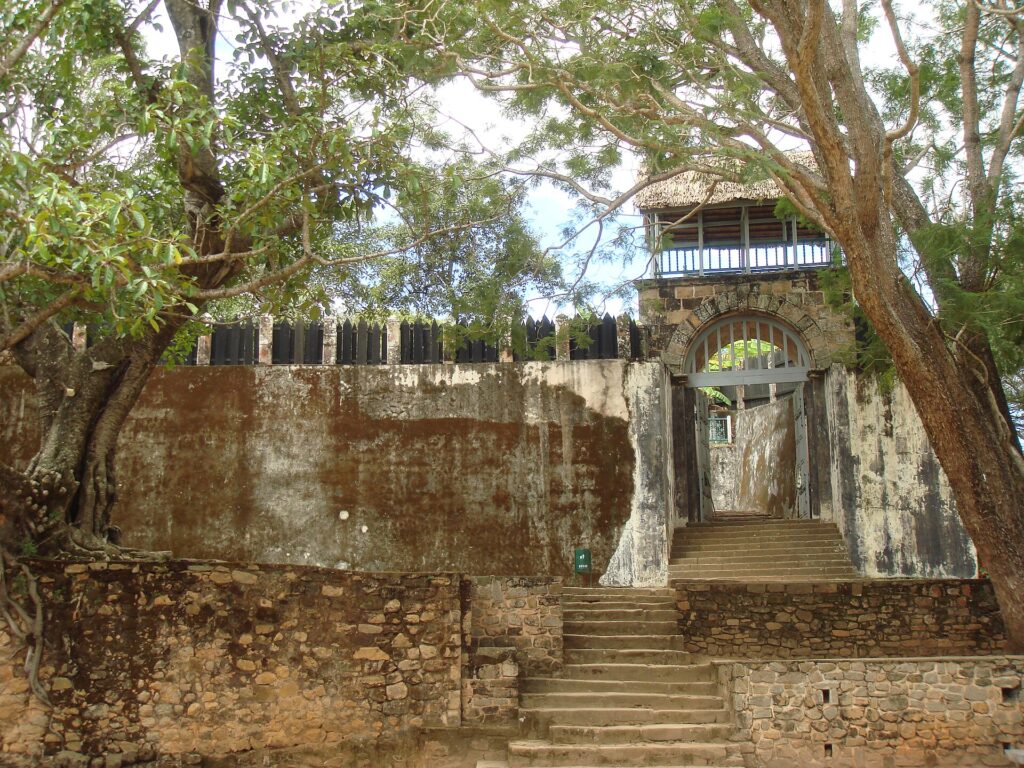
Ambohimanga, a fortified hill north of Antananarivo, was a seat of Merina kings, including Andrianampoinimerina, and remains a place of pilgrimage and offerings. It was inscribed on the UNESCO World Heritage List in 2001.
The Rova of Antananarivo, the royal enclosure on Analamanga hill, held palaces and royal tombs; its main palace was gutted by fire in 1995 and has been undergoing restoration.
In Mahajanga, the doany (royal shrine) of the Boina Sakalava holds royal relics and hosts the Fanompoambe, a great service to the royal ancestors described by Lambek.
At Belo-sur-Tsiribihina on the Tsiribihina river, the Menabe Sakalava hold the Fitampoha, the bathing of royal relics, at long intervals.
Lake Anivorano in the north, near Antsiranana, is held by the Antankarana to be a drowned village whose crocodiles are its former people; offerings are made there. The caves of Ankarana hold Antankarana royal tombs.
Everywhere, Vazimba graves, springs and family tombs are sacred on a local scale. In stories they are thresholds where the living meet the dead.
The Malagasy cosmos is mapped onto ordinary space rather than set in separate realms.
Above is the sky, the domain of Zanahary or Andriamanitra, to which Zatovo climbs in his story. Below and around are the land, the tombs and the waters where ancestors and spirits dwell.
Directions carry meaning. In highland houses, the northeast corner is associated with the ancestors and the highest honour, and the north side is senior to the south; the house is laid out along these values, as described in studies of Merina and Betsileo homes. Astrological reckoning, derived partly from Arabic sources, links directions, days and destinies.
Tombs sit on hillsides and ancestral land, marking the boundary between the living village and the realm of the dead. Water, especially lakes and springs associated with Vazimba, is a threshold into the unseen.
Movement between realms happens through death and burial, through dreams, through possession by royal spirits, and through ritual openings such as famadihana. Specialists guide these movements and choose the right days for them.
Austronesian voyagers settled Madagascar during the first millennium CE; c. 500 to 700 CE is a widely cited window, though some scholars argue for earlier contact. By the 9th and 10th centuries Bantu-speaking peoples and coastal traders linked the island to the Swahili world, and trading towns such as Mahilaka in the northwest flourished between roughly the 11th and 14th centuries.
By the 16th century the Antaimoro of the southeast were keeping sorabe manuscripts in Arabic script. In 1500 the Portuguese navigator Diogo Dias sighted the island. In the 17th century the Maroserana dynasty founded the Sakalava kingdoms of Menabe and later Boina on the west coast.
Around 1787 Andrianampoinimerina began unifying Imerina, and his son Radama I expanded the kingdom from 1810. In 1818 London Missionary Society missionaries arrived, and a Malagasy Bible was completed by 1835. Ranavalona I, who ruled from 1828 to 1861, restricted Christianity. In 1869 Ranavalona II was baptised and the royal sampy were burned.
In 1895 French forces took Antananarivo; in 1896 the island was annexed, and in 1897 Ranavalona III was exiled and the monarchy abolished. In 1947 an anti-colonial uprising was violently suppressed. In 1960 Madagascar became independent.
These events live in stories of royal ancestors, in the tromba spirits of kings, and in the memory of 1947.
Madagascar's people arrived by sea. Austronesian settlers brought the language, rice farming, outrigger canoes and, many scholars argue, elements of ancestor practice and secondary burial that recall Southeast Asian traditions. Bantu-speaking migrants from the African mainland brought zebu cattle, much vocabulary and other customs; cattle became central to ritual and wealth. Later arrivals from the Swahili coast and Arabia brought Islam to some coastal communities, Arabic script and astrology.
Within the island, peoples moved and kingdoms expanded. Clan histories recount founders arriving from elsewhere and taking land, and many royal lines trace their origins to newcomers who married into local groups. The Merina remember the Vazimba as the earlier inhabitants of the highlands, displaced or absorbed by their ancestors; whether the Vazimba were a distinct earlier population is debated.
What was carried was language, rice, ancestor-centred religion and seafaring; what was lost from the Southeast Asian homeland is mostly beyond record. Internal migration in the nineteenth and twentieth centuries, and the duty to bring the dead home to ancestral tombs, keep people tied to tanindrazana.
Malagasy culture is itself a record of exchange.
From Southeast Asia came language, rice cultivation and seafaring. From East Africa came cattle, many words and, scholars suggest, some ideas of kingship and spirit possession. From the Islamic Indian Ocean came Arabic script (sorabe), the names of months and days, and astrology and divination such as sikidy and vintana. Coastal Sakalava and northern communities include Muslims, and the Boina shrine at Mahajanga stands in a town long shared with Muslim Comorian and Indian communities.
From Europe came Christianity, Latin script, schooling and, under France, colonial rule. Christianity spread widely, especially in the highlands, but fomban-drazana did not vanish. Many Malagasy are both Christian and faithful to ancestral custom; the Catholic Church has generally tolerated famadihana, while some Protestant churches discourage it.
The tradition has held its centre, the tomb, the razana and fady, while absorbing outside forms: Arabic astrology serves ancestral calendars, and brass bands play at famadihana.
Yes. Fomban-drazana is a living tradition across Madagascar. Families still build and maintain ancestral tombs, keep fady, sacrifice zebu at important occasions, and consult ombiasy and mpanandro. Famadihana is held in the Merina and Betsileo highlands, mostly in the dry winter months from about June to September, though its cost and some church disapproval mean many families hold it less often. Public health rules during plague outbreaks have at times restricted the opening of tombs.
Sakalava royal services continue at Mahajanga and Belo-sur-Tsiribihina, and tromba possession is widely practised, including in cities. Kabary is spoken at every wedding and funeral, hira gasy troupes perform in the highlands, and valiha and marovany music thrives.
What has changed: most Malagasy are Christian, the monarchies no longer rule, the sampy are gone, and urban life has loosened some fady. Contemporary practitioners include family elders, tomb guardians, mediums, royal shrine servants, diviners, orators and musicians.
Malagasy people were carried away through the slave trade, especially in the seventeenth to nineteenth centuries, to Mauritius, Réunion, the Cape Colony and elsewhere in the Indian Ocean, and in smaller numbers to the Americas.
On Réunion, the servis kabaré, an ancestral offering ceremony, draws on Malagasy roots and is practised by Réunionnais who honour their forebears. Malagasy words and musical forms persist in the Mascarene islands.
In Mayotte and parts of the Comoros, Malagasy-speaking communities practise trumba spirit possession related to Sakalava tromba; Lambek studied this in Mayotte.
Today a large Malagasy community lives in France and smaller ones elsewhere. Many still return the dead for burial in the family tomb, at great expense, because burial abroad separates a person from the ancestors. Associations organise kabary, hira gasy and valiha concerts, and families hold ceremonies by phone and video when they cannot travel. The duty to the tomb crosses oceans.
Because fomban-drazana never stopped being practised, much contemporary work is about recognition and return rather than revival.
The Académie Malgache has long published on Malagasy language, history and oral literature. Scholars at the University of Antananarivo and Malagasy writers have studied and republished kabary, hainteny and tantara. Hira gasy troupes and valiha masters, such as the twentieth-century flautist Rakoto Frah, raised the standing of highland music at home and abroad.
The return of remains has become a public issue. Queen Ranavalona III's remains were brought home from Algeria in 1938. In 2025 France returned three skulls, including one identified as that of the Sakalava king Toera, killed by French troops in 1897, after a French law allowed their restitution; the Sakalava of Menabe received them with royal rites.
Writers and artists draw on the tradition openly, and royal Sakalava services have drawn renewed attention. What remains lost includes the sampy burned in 1869 and much royal ceremonial knowledge that was not passed on after 1897.
Zanahary, in many regions, and Andriamanitra, in the highlands, name the creator. Invocations often address the creator first, then the ancestors. The creator is generally remote and has no images; in the tale of the choice of death, Zanahary offers the first people death like the moon or death like the banana tree. In Christian usage Andriamanitra is the God of the Bible.
The razana, the ancestors as a collective, are the most important beings in daily religious life. Their symbols are the tomb, the shroud, the zebu horns on tomb posts, and in the highlands the northeast corner of the house. Ritual protocol requires asking pardon, offerings of rum, honey and meat, and the keeping of their fady.
Royal ancestors, among the Sakalava, are honoured at relic shrines and return through tromba mediums, each with personal tastes in dress, drink and manner. The Boina royal ancestors called Ndramisara Efadahy are honoured at Mahajanga.
The Vazimba, spirits of the first owners of the land, receive offerings at their graves and springs.
No physical description of the creator is given in the tradition; razana and royal spirits are known by their former lives.
Razana are ancestral spirits, the honoured dead of a family, who bless, warn and punish.
Tromba are royal ancestral spirits, mainly among the Sakalava and neighbouring peoples, who possess mediums (saha) and speak through them. Each has a known identity and history.
Vazimba are spirits of the first inhabitants, dwelling at waters, rocks and graves. They can cause illness if disturbed, and offerings at Vazimba sites ask their goodwill. Ranoro, who rose from the water to marry a highland ancestor, is a Vazimba woman in many tellings.
Kalanoro are small forest beings, often described with backward-pointing feet and long hair, who may help or trick humans; stories differ widely by region.
Lolo and angatra are souls and ghosts of the dead, especially those not properly buried or remembered. Lolo is also the word for butterfly and moth, and the link between the two is noted in many regions.
The rule of interaction is respect and caution: approach through proper offerings, observe fady, and rely on specialists when spirits trouble a household.
The fanany is a serpent, sometimes said to have seven heads, which in Betsileo belief emerges from the body of a dead noble as it decays; it was treated with respect as the continuing presence of the ruler. Sibree and later scholars recorded this.
Crocodiles (voay) of certain lakes, especially Lake Anivorano, are held to be transformed people or ancestors, and receive offerings; killing them is fady.
The babakoto, the indri lemur, is in many eastern traditions kin to humans, descended from a brother who chose to stay in the forest. It is fady to hunt it, and its song is sometimes linked to the dead.
The aye-aye (hay-hay) is in some regions a bad omen, and stories of its finger pointing at a person as a sign of death were recorded; the fady varies by place.
Itrimobe is an ogre who appears in highland tales recorded by Dahle, a devourer outwitted by clever children or heroes.
Giants such as Rapeto in Imerina and Darafify on the east coast are said to have shaped hills, lakes and rivers.
The vorombe, the extinct elephant bird, survives in memory and is linked by some writers to the legend of the roc.
Ibonia is the great epic of Madagascar, recorded in Malagasy in the nineteenth century and published by Lars Dahle in 1877; Lee Haring translated and studied it (1994).
A royal woman long without a child seeks help through divination and receives the promise of a son. Even before birth Ibonia speaks from the womb, chooses how he will be born, and shows he is no ordinary child. His betrothed, Iampelasoamananoro, is promised to him before her own birth.
When she is grown, she is carried off by Raivato, the Stone Man, a powerful lord. Ibonia sets out to win her back. On the way he faces tests and dangers, and he transforms himself to approach Raivato's land. He defeats Raivato in contest and regains his betrothed. Returning, he survives further trials set against him, and in many versions the epic closes with Ibonia's words of instruction to the people, a set of sayings on proper conduct.
The epic reveals much. Its hero is exceptional but works through divination, promise and right claims, not simple force. The betrothal made before birth shows how destiny and kinship bind a life. And the ending turns heroism into speech: the hero's last act is kabary, the giving of words that order society.
The wonder-child hero, like Ibonia, is marked from birth by speech or strength, sets out to claim what is his, and returns to rule and teach. His arc moves outward and back home.
The self-assertive youth, like Zatovo, challenges a higher power and must prove his worth through tasks. He is often helped by animals or small creatures, showing that success depends on alliances.
The trickster pair, Ikotofetsy and Imahaka, live by cons. They do not grow; their stories expose the greed and gullibility of others and sometimes end in their punishment.
The water-wife or spirit-spouse, like Ranoro, brings blessing on a condition. When the condition is broken she leaves, and her departure founds a fady for her descendants.
The ogre or devourer, like Itrimobe, threatens the young and is outwitted.
The ombiasy, the diviner, appears at the turning of many tales to reveal the hidden cause or the right path.
The ancestor, in clan histories, arrives, settles, sets fady and is buried, becoming the reference point for the community.
The choice of death. Zanahary asks the first people whether they want to die like the moon, which wanes and returns, or like the banana tree, which dies but leaves shoots behind. Wanting children, they choose the banana, and so humans die but live on in their descendants. Structurally it is aetiological: a present fact, mortality, explained by an original choice. Its value is plain: descent matters more than individual endurance.
Zatovo who was not made by God. Zatovo claims no one created him, and goes to the sky to seek the daughter of Andriamanitra in marriage. Andriamanitra sets him impossible tasks, and he completes them with the help of creatures he has befriended. In the end he is accepted. The tale is a quest with tests, and it balances a bold claim of self-making with the lesson that no one succeeds alone.
Ranoro. A woman rises from the water and agrees to marry a highland man on condition that he never speaks the word for salt. One day he does, and she returns to the river forever. Her descendants keep the fady. The structure is a promise, a breach and a lasting prohibition: the core shape of fady stories.
Titles: The Creator; Zanahary above and Zanahary below in some regions; Ndriananahary
Domain: Creation, life and death, the sky
In the stories: The choice of death like the moon or like the banana tree; invoked at the opening of sacrifices across many regions.
Notes: The name used for the creator in many Malagasy regions. Some traditions speak of two Zanahary, of the sky and of the earth. The creator is invoked first in prayers but is generally remote from daily affairs.
Titles: Often glossed Fragrant Lord; in Christian usage God
Domain: Creation, the sky, supreme authority
In the stories: Zatovo who was not made by God, in which Zatovo climbs to the sky to seek Andriamanitra's daughter.
Notes: The highland name for the creator, now also the Malagasy word for the Christian God. In tales Andriamanitra rules the sky and sets tasks for those who challenge him. He has no images in traditional practice.
Titles: The ancestors; ray aman-dreny who have died
Domain: Blessing, fertility, health, family order
In the stories: Clan founding histories; dreams of ancestors who ask for new shrouds; the famadihana return of the dead.
Notes: The collective ancestors of a family, the most actively honoured beings in Malagasy religious life. They dwell in the family tomb and communicate through dreams and misfortune. They ask for remembrance, offerings and the keeping of fady.
Titles: The first inhabitants; owners of the land
Domain: Land, water, springs, rocks and early graves
In the stories: Merina histories of the first kings displacing the Vazimba; the tale of Ranoro.
Notes: In highland tradition the Vazimba were the earliest people of the highlands and are now spirits of land and water. Their graves and springs receive offerings, and disturbing them can bring illness. Scholars debate whether they were a distinct historical population.
Titles: The woman from the water
Domain: Water, marriage, the salt prohibition
In the stories: The tale of Ranoro and the broken salt fady.
Notes: A water-born woman, often called a Vazimba, who married a highland man on condition that salt was never named. When he broke the condition she returned to the water. Her story founds a fady kept by her descendants.
Titles: The four royal ancestors of Boina
Domain: Sakalava royal authority, blessing of the Boina realm
In the stories: The Fanompoambe service at the royal shrine in Mahajanga.
Notes: Royal ancestors of the Boina Sakalava whose relics are kept at the doany in Mahajanga, as described by Michael Lambek. They are honoured in a great annual service. The details of the relics and rites belong to their guardians.
Titles: Royal spirits; trumba in Mayotte
Domain: Royal authority, healing, counsel
In the stories: Sakalava royal histories retold through possession; spirits of kings who return through mediums.
Notes: Spirits of dead Sakalava royals who possess mediums, mostly women, and speak through them. Each has a personal history, tastes and fady. Studied by Lesley Sharp, Michael Lambek and Gillian Feeley-Harnik.
Titles: Forest people; small hairy beings
Domain: Forests, caves, wild places
In the stories: Regional tales of encounters in forests; stories of kalanoro who aid or trick humans.
Notes: Small beings of the forest, often described with long hair and backward-turned feet. Some stories make them helpful and others mischievous. Descriptions vary greatly by region.
Titles: Souls of the dead; ghosts
Domain: The restless or recently dead
In the stories: Tales of ghosts of the improperly buried; beliefs linking lolo with butterflies and moths.
Notes: Lolo are souls of the dead, and the same word names butterflies and moths. Angatra are ghosts, often of those not properly buried or remembered. They are feared and avoided, and rites put them to rest.
Also in East Africa