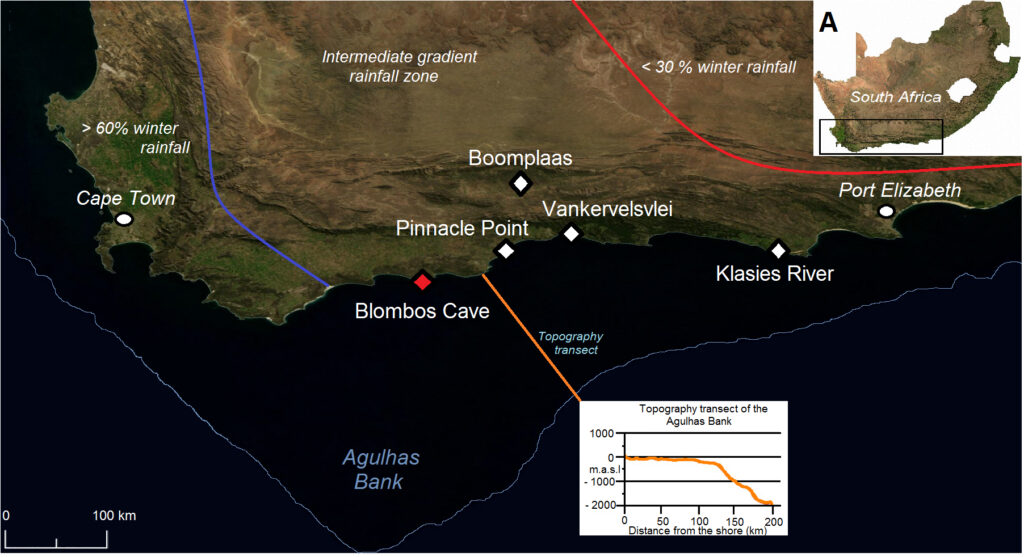
c. 77,000-73,000 years ago, people at Blombos Cave on the southern Cape coast engraved ochre and drew cross-hatched lines. These are among the earliest known symbolic marks, made by ancestors of the region's peoples.
c. 44,000 years ago, people at Border Cave left digging-stick weights, a poison applicator and beads that resemble the San toolkit, according to a 2012 study by Francesco d'Errico and colleagues.
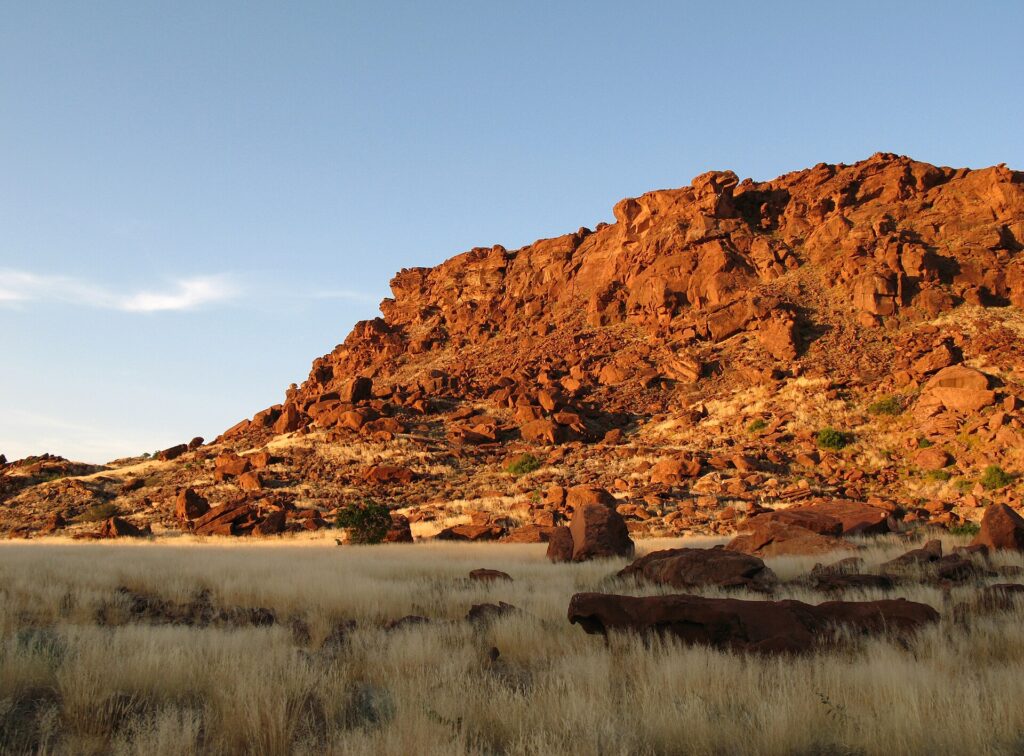
c. 30,000 years ago, people at Apollo 11 Cave in southern Namibia painted animals on stone slabs, among the oldest dated art in Africa.
c. 2,000 years ago, sheep herding reached southern Africa, and Khoekhoe pastoralism developed alongside foraging.
By the first millennium CE, Bantu-speaking farmers had settled south of the Limpopo, and in time they absorbed click sounds into isiXhosa and isiZulu.
In 1652, the Dutch East India Company set up a station at the Cape. In the late 18th century, settler commandos killed and captured San people along the northern frontier.
In 1870, //Kabbo began telling /Xam stories to Wilhelm Bleek and Lucy Lloyd. In 1873, a Maloti San man named Qing told Joseph Orpen stories of Cagn.
In 1911, Specimens of Bushman Folklore was published. In 1951, the Marshall family began fieldwork in Nyae Nyae.
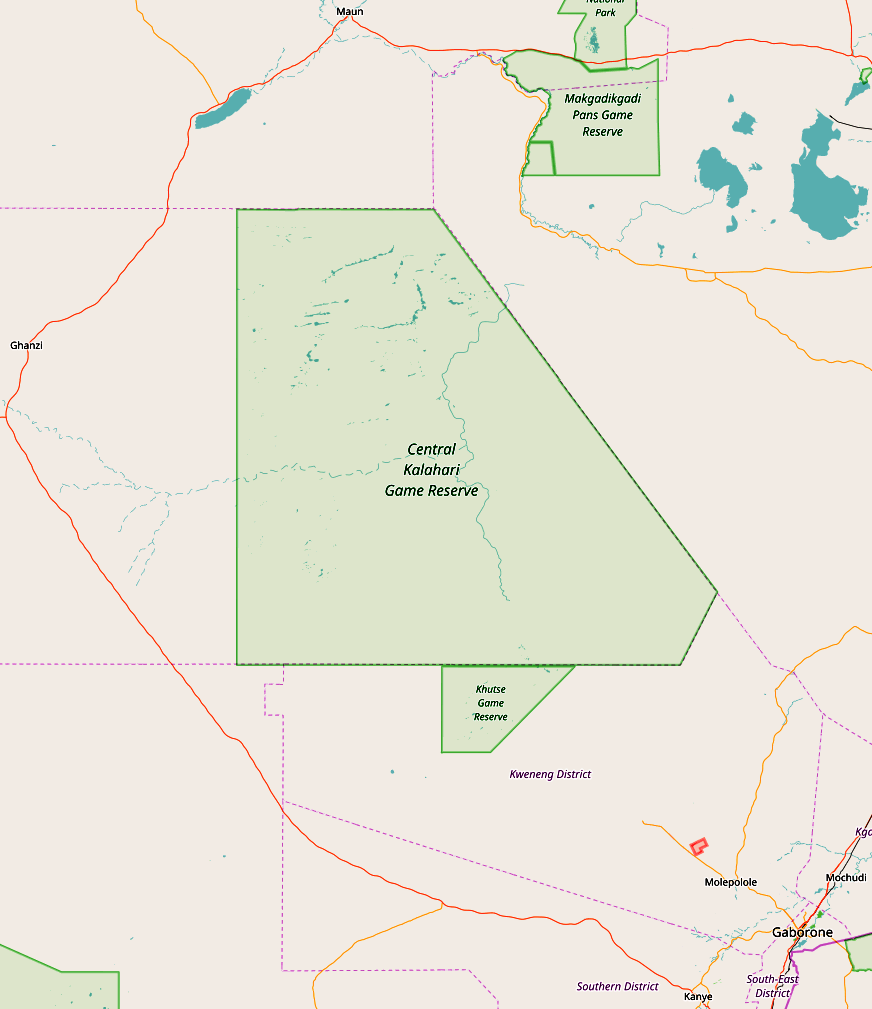
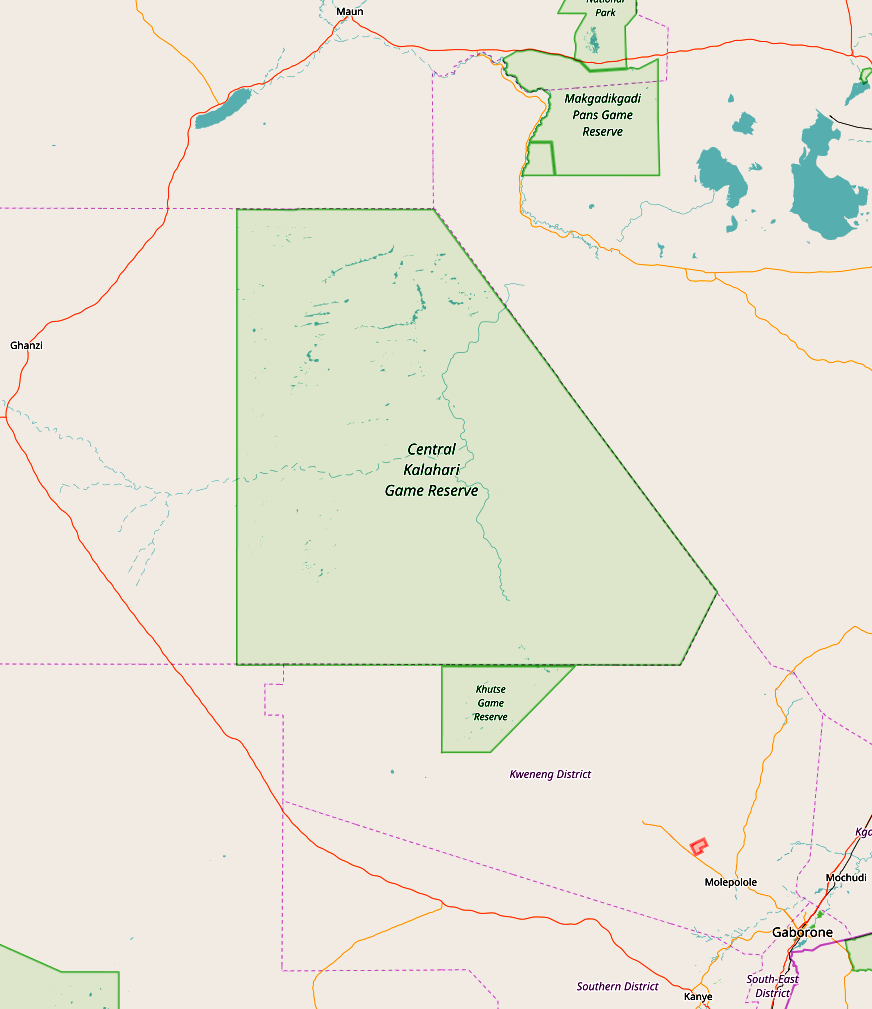
In 1961, the Central Kalahari Game Reserve was established.
In 1997, Botswana began removing residents from the Central Kalahari Game Reserve.
In 1999, the ‡Khomani won a land claim in the southern Kalahari.
In 2002, most remaining residents were removed from the reserve. In 2006, the High Court of Botswana ruled the removals unlawful.