The Holawaaqa Bird and the Message of Life
The origin story of death: Waaqa's message of renewal is given away to the snake by the messenger bird.
Source: Bartels, Oromo Religion, 1983 (to check)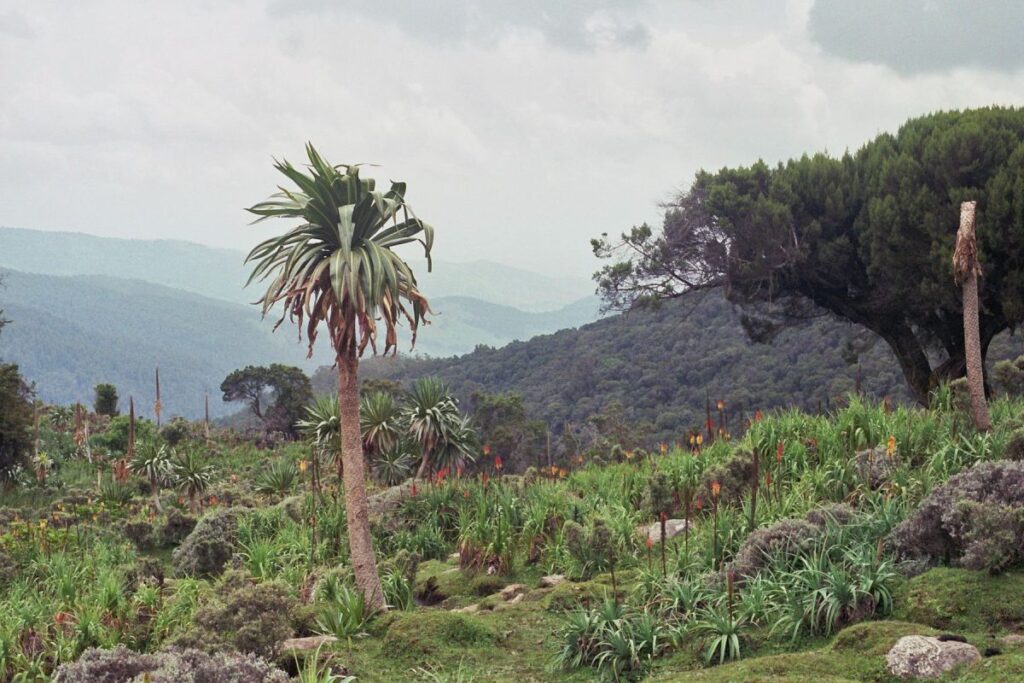
The Lore · Horn of Africa · Lore Universe
Cushitic / Oromo
Gadaa democratic age-grade system, Waaqeffanna indigenous religion, Siiqqee women's institution, coffee origin culture.
Why its stories are told
Stories are told to teach, to remember law and history, to praise, to bless and to entertain. Elders (jaarsolii) hold the knowledge of genealogy, gadaa history and law, and speak it in assemblies and in the settling of disputes.
The people call themselves Oromoo (oh-ROH-moh), their language Afaan Oromoo (ah-FAHN oh-ROH-moh, 'the mouth' or 'tongue of the Oromo') and their homeland Oromiyaa (oh-roh-MEE-yah).
The Land · Geography
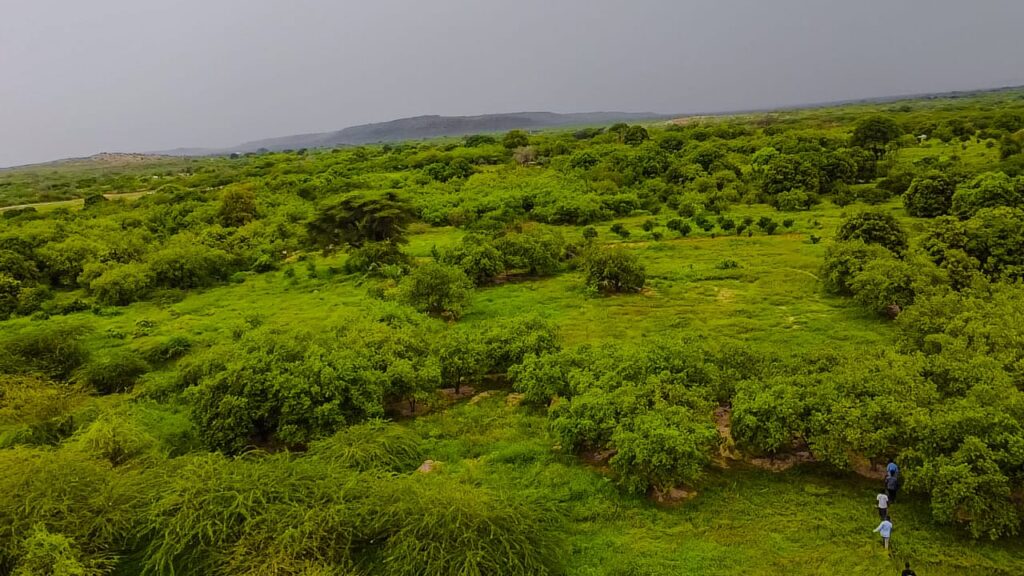
Oromia spans a vast and varied land: the central Ethiopian highlands around Finfinnee (Addis Ababa), the forested west of Wallaga, Iluu Abbaa Booraa and Jimma, the Rift Valley lakes, the Arsii and Bale highlands and mountains, the dry lowlands of Borana and Gujii in the south, and the eastern highlands of Hararghe. Elevations run from hot lowlands to cool highlands above 3,000 metres.
The climate follows rainy seasons, with the long rains (ganna) roughly June to September in the highlands and shorter rains at other times; in the south, two rainy seasons shape the life of herders.
The land shapes the stories. The highlands are farming country, with grain, ensete in places, and the forests of the southwest where wild coffee grows. The southern lowlands are herding country, where cattle, wells and grazing govern life, and where gadaa has been most fully maintained. Rain is Waaqa's blessing, and drought is a sign of broken order.
The land is sacred: mountains, lakes, rivers, springs and great trees are places of prayer and assembly. Oromo speak of Oromiyaa not only as territory but as the land of their ancestors, their law and their festivals, and many songs praise its rivers and mountains.
The People · Cultural Foundation · Society
This tradition belongs to the Oromo, the largest people of Ethiopia and among the largest of Africa, whose language belongs to the Cushitic branch of the Afroasiatic family. They live across the central, western, southern and eastern highlands and lowlands of Ethiopia, in the regional state of Oromia, and in northern Kenya, where Borana, Gabra, Orma and other Oromo-speaking communities live.
Oromo tradition divides the people into two great moieties, Booranaa and Barentuu (Barentuma). From these descend the main branches: Tuulamaa and Maccaa (central and western), Gujii and Booranaa (south), Arsii, Ituu, Karrayyuu and Afran Qallo (east), and Raayyaa and Wallo (north), among others.
Oral tradition remembers an early homeland in the southern highlands, often linked with Madda Walaabuu in present Bale, where gadaa is said to have been organised and the ritual father Abbaa Muudaa resided. Historians place Oromo communities in the southern highlands many centuries before the great expansion.
From the 1520s, Oromo groups moved north, west and east in a series of campaigns and settlements, organised by eight-year gadaa periods, and by the end of the 16th century had settled across much of present Ethiopia. This movement shaped the distribution of Oromo branches and many of their stories.
Five values shape Oromo narrative.
1. Safuu: right relationship and respect, the moral distance that keeps each being in its proper place: elder and junior, wife and husband, human and Waaqa.
2. Nagaa: peace, the condition of a world in which safuu is kept. Greeting someone in Afaan Oromoo is to ask after their nagaa.
3. Seera and the authority of law: rules made by assemblies, not by a single ruler, and binding on everyone including leaders.
4. Kabaja: honour and respect, especially for elders, women, guests and the land.
5. Shared decision: matters are discussed until agreement is reached, under the Odaa tree, among people of the right grade.
These differ from Western narrative values in key ways. Power is admired only when it is limited, rotated and handed on; a leader who clings to office is a figure of disgrace. The collective and the generational line take priority over the individual, and ancestors' laws are honoured, but laws can be changed by assembly.
This produces unfamiliar story logic: the climax may be a council, not a battle; the hero may be a lawgiver whose triumph is a rule; and a woman's quiet withdrawal with her siiqqee can be the decisive act that restores justice.
Oromo gender logic is a system of parallel institutions. Gadaa organises men's political and military life; Siiqqee gives women their own institution, authority and rights.
At marriage a woman receives her siiqqee, a stick that marks her standing as a married woman, protected by safuu. Kuwee Kumsa's study (1997) describes how women, holding their siiqqee, gather against those who wrong a woman, singing and refusing to leave or return until elders resolve the matter and the offender makes amends. This collective action is respected and feared. Women's Ateetee rites, held for fertility and in response to wrongs, are also part of this institution.
Women are regarded as sacred and close to Waaqa; harming a woman is a breach of safuu. Mothers' blessing and curse carry great weight. Women hold authority in the household, manage dairy and food, and among some groups take part in assemblies.
Men pass through the gadaa grades, hold political and military office and lead the assembly.
The legend of Akkoo Manooyyee, a cruel ruler remembered in some regions as a woman, is told in some versions as the end of an era of women's rule; scholars and Oromo women read it in different ways.
Siiqqee weakened under the pressure of conquest and new religions in the 20th century, and Oromo women today are reviving it as a model of women's rights within the tradition.
Age and generation are the heart of the Oromo social order, and gadaa makes them precise.
Gadaa sets a man's grade not by his age alone but by the grade of his father: a son enters the system forty years after his father, so he belongs to the class five grades behind. As a result men of very different ages can be in the same class, and the system can push some men into grades that do not match their years. Legesse analysed the tensions this creates and how the system has adjusted. A parallel age-set system (hariyya) among the Borana groups men of similar age.
Youth is a time of learning and service: herding, warfare and training in the ways of the community.
Adulthood brings the right to marry, then leadership in the Gadaa grade, held for eight years.
Elders in the Yuba and Gadamojjii grades hold authority to advise, bless and judge. They know genealogies, laws, precedents and the history of the gadaa periods. They hold the power of blessing and curse in its fullest form.
Women's age hierarchy runs through marriage and motherhood; senior women lead in Siiqqee and Ateetee.
What the elders hold that others cannot is the memory of law and the right to bless, earned by having passed through every grade.
Gadaa is often described as an egalitarian system: offices rotate, leaders are elected for eight-year terms, and power cannot be inherited by a single family. Legesse described it as a form of democracy, and the 2016 UNESCO inscription of gadaa recognised it as an indigenous democratic system.
There are distinctions within it. Certain clans and lineages hold ritual seniority, and the qaalluu lineages hold hereditary ritual office. Among some groups the two moieties have distinct ritual roles. Wealth in cattle confers standing and followers.
Some Oromo communities have had occupational groups of lower status, such as smiths, potters and tanners, sometimes from neighbouring peoples, who faced restrictions on marriage. In the Gibe kingdoms of the 19th century a monarchy and slavery developed, departing from gadaa principles.
The practice of moggaasa, adoption into Oromo clans, allowed outsiders and whole communities to become Oromo, widening membership; Mohammed Hassen discusses its role in the expansion.
Storytellers include elders, women, singers and specialists; their standing depends on grade, age and gender rather than a separate storytelling class.
In stories, class appears mostly as office: the just Abbaa Gadaa, the arbitrary ruler like Akkoo Manooyyee, and the community that holds them to account.
Oromo communities are organised by kinship and by gadaa.
The family (maatii) is part of a lineage, which is part of a clan (gosa), which belongs to one of the moieties, Booranaa or Barentuu, and to a regional branch such as Tuulamaa, Maccaa, Arsii or Gujii. Descent is traced through the father, and clan membership determines marriage choices: people do not marry within their own clan.
Gadaa cuts across kinship. Men of many clans belong to the same class and act together; assemblies bring clans together under the Odaa. Among the Borana, the Gumii Gaayyoo gathers the whole nation every eight years.
Membership carries obligations: to contribute to compensation payments, support kin, take part in assemblies and rites, and keep safuu. Clan members are bound to help one another in feuds and reconciliation.
Adoption widens community. Guddifachaa is the adoption of a child into a family, with full rights; moggaasa is adoption into a clan, by which individuals and groups became Oromo.
The consequence of expulsion is loss of protection and identity. A person who breaks safuu gravely and refuses reconciliation can be cast out, losing the support of clan and assembly, a fate that many proverbs warn against.
Through Time · History
Before the 16th century, Oromo communities were living in the southern highlands and lowlands of present Ethiopia, organised by gadaa; the length of this earlier history is debated.
In 1522, according to the monk Bahrey's account, the great Oromo movements began under the luba named Melbah, and continued period by period through the century.
In 1593 Bahrey wrote his History of the Galla, recording the gadaa periods from an Ethiopian Christian point of view.
By the 17th century, Oromo groups had settled across the central, western, eastern and northern parts of present Ethiopia.
In the 18th century, Oromo nobles of the Yejju region rose to power at the Gondar court, and in the first half of the 19th century the Yejju dynasty dominated the Era of the Princes.
In the 19th century, Oromo kingdoms such as Jimma Abbaa Jifaar, Limmu-Ennarea, Gumma, Gomma and Gera arose in the Gibe region.
In the 1880s and 1890s, forces of Menelik II conquered most Oromo lands; Arsii resistance ended in 1886 with the events remembered as Annolee.
In 1899 the full Bible in Afaan Oromoo, translated by Onesimos Nesib with Aster Ganno, was printed.
In 1963 the Macha and Tulama Self-Help Association was founded; it was banned in 1967.
In 1991 Qubee was adopted for writing Afaan Oromoo.
In 2016 UNESCO inscribed gadaa as intangible cultural heritage, and that October dozens or more died in a crush at Irreechaa in Bishoftu; the toll is disputed.
These events live in songs, oral histories and the commemoration of Annolee.
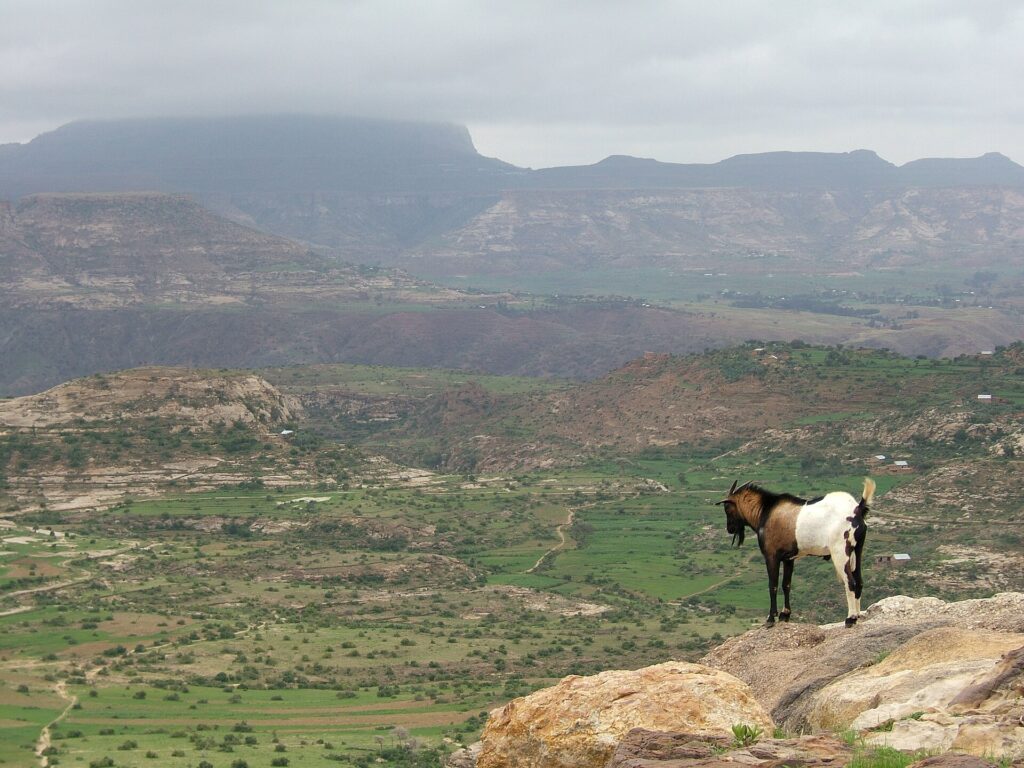
Movement is at the centre of Oromo history. The 16th-century expansion carried Oromo groups from the southern highlands north into Shawa and Wallo, west into Wallaga and the Gibe region, and east into Hararghe. It was organised by gadaa: each class led campaigns during its period, so migration and gadaa history are the same story.
Oromo culture has grown through contact with its neighbours. With other Cushitic peoples, including the Somali, Sidama, Afar and others, Oromo share forms of generation-grade organisation, herding culture and religious ideas; the sky-God Waaqa has close relatives in Somali and other Cushitic traditions.
Oromo stories exist to explain and keep an order: the order between Waaqa and creation, between generations, between women and men, and between clans. That order is called safuu, and much Oromo narrative explains how it came to be and what happens when it is broken. The gadaa system gave history its shape.
The Sacred · Deities and Spirits
The holawaaqa bird and the message of renewed life; the first coffee from Waaqa's tears.
Appear in accounts of the qaalluu and in the Borana calendar of ayyaana days.
Central to women's Ateetee rites and to the Siiqqee institution.
Called upon in prayers of women in childbirth recorded among western Oromo.
Named together with Waaqa in blessings that call on sky and earth.
Appear in western Oromo accounts of mourning and remembrance recorded by Bartels.
Sacredness in Waaqeffannaa comes from Waaqa and is present wherever Waaqa's order is honoured.
Trees are central. The Odaa, the sycamore fig, is the tree of assembly and blessing: the caffee meets in its shade, and it stands as a symbol of gadaa and of the Oromo nation. Other trees and groves are places of prayer.
Water and high places are sacred: lakes, rivers and springs, such as Hora Harsadi at Bishoftu, where Irreechaa Malkaa is held, and mountains where Irreechaa Tulluu is held.
Objects of office carry sacred authority: the bokkuu, the scepter of the gadaa leader; the kallacha, an ornament worn on the forehead by the qaalluu and certain office-holders; and for women, the siiqqee stick and the caaccuu, a beaded leather ornament. These belong to their keepers.
Words are sacred too: blessing (eebba) by elders, prayer to Waaqa, and the law spoken in assembly. A blessing is believed to carry real power, and a curse from those wronged is feared.
Grass (green grass, especially, carried at Irreechaa), milk, butter and coffee beans are used in blessings and offerings.
The mechanism of sacredness is safuu and ayyaana: a thing is sacred because it has its own ayyaana from Waaqa and is honoured with the right respect.
Waaqeffannaa is centred on one God, Waaqa, creator and sustainer of all things. Waaqa is called Uumaa ('Creator'), Waaqa Tokkicha ('the One Waaqa') and Waaqa Gurraacha ('Black Waaqa', black here meaning deep and beyond knowing). Waaqa is not one god among many; there is no pantheon of equals.
Beneath Waaqa are the ayyaana, Waaqa's manifestations or spiritual aspects in beings, days and places. Bartels describes them as the means by which Waaqa is present and acts in the world. Each person has an ayyaana, as do days in the calendar.
Among the ayyaana and female divine figures, Ateetee holds a central place for women: she is honoured in women's rites for fertility and wellbeing, and her name is also given to those rites. Bartels records Maaram, a female figure called upon by women in childbirth, whose name many scholars connect with Mary; her relation to Ateetee is understood differently by different communities.
The spirits of the dead (ekeraa) are below these, close to the living.
Humans relate to Waaqa through prayer, blessing, thanksgiving and keeping safuu. Waaqa sends rain and life and withholds them when order is broken. The qaalluu mediates in many communities, but every elder can pray and bless directly.
The ancestors are present in Oromo life chiefly through law, genealogy and the spirits of the dead.
Genealogy is the backbone of identity. Oromo trace descent through named ancestors to the clan founders and to the moieties Booranaa and Barentuu, and many can recite long lines of fathers. Gadaa laws are spoken of as laws of the ancestors (seera abbootii), though assemblies can and do change them.
The spirits of the dead, ekeraa, remain near the living. Bartels records that western Oromo honour them at graves and in the home, and that they can be asked for help and can trouble the living when neglected. They are not deities, but they share in the life of the family.
The protocol is respect. Elders lead blessings that call on Waaqa and remember the forebears; the dead are mourned with proper rites, and their graves are cared for. Offerings and memorial gatherings are made according to local custom.
What the ancestors want from the living is continuity: that the line continues, that the laws are kept, that safuu is respected, and that their names are remembered. The gadaa cycle itself keeps them present, since every son takes up the grade his father held forty years before.
Oromo spirituality describes a world ordered by Waaqa, who is above and over all, and filled with ayyaana.
Waaqa dwells in the sky and is the source of rain, life and order. The earth, Lafa, is below; blessings often name sky and earth together. Between and within them are the ayyaana, the spiritual aspects of beings, days and places that Waaqa has given, through which Waaqa acts in the world.
The ekeraa, the spirits of the dead, remain close to the living, especially to their kin and graves.
The ayyaana can descend upon the qaalluu, the hereditary ritual specialist, who in some communities acts as a medium through whom ayyaana speak at the galma, the ritual house. This is the main ordinary crossing from the spiritual to the human world in Waaqeffannaa. Practices vary considerably between Oromo groups.
Other spirit beliefs, including the jinn of Islam and spirit possession practices shared with other Ethiopian peoples, coexist in many communities.
Crossings happen through prayer and blessing from humans to Waaqa, through rain, fertility and misfortune from Waaqa to humans, through the qaalluu's possession by ayyaana, and through the dead, who cross at death and remain near. Keeping safuu keeps these crossings in good order.
Oromo ritual marks the passage through life and restores broken order.
Transitions are marked above all by gadaa rites. Each passage between grades is accompanied by ceremonies, and the handover of power between classes every eight years is the greatest of them, after which the new Abbaa Gadaa and his council take office. Children are named in ceremonies; among the Borana the naming of sons in certain grades is a major gadaa ritual. Marriage, at which the bride receives the siiqqee, and death are marked with their own rites.
Balance is restored by prayer for rain, by sacrifice and by reconciliation. Jaarsummaa, the reconciliation of disputing parties by elders, ends with blessing and often a shared meal. Women's Ateetee rites address fertility and wrongs against women.
The year is marked by Irreechaa, the thanksgiving to Waaqa: at the end of the rainy season people gather at lakes and rivers carrying green grass and flowers, give thanks and pray for blessing; before the rains, they gather on hills.
In stories, ritual appears as the frame (a tale set during a gadaa transfer), as the event (the coming of the first qaalluu) and as the resolution (the elders' blessing that ends a dispute).
Waaqeffannaa is centred on one God, Waaqa; other beings are Waaqa's manifestations or spirits under Waaqa.
Waaqa is the sky-God, creator (Uumaa) and sustainer of all, called Waaqa Tokkicha ('the One Waaqa') and Waaqa Gurraacha ('Black Waaqa', black meaning deep and beyond knowing). Waaqa is not depicted in images. Waaqa gives rain, children, cattle and life, and withholds them when safuu is broken. Prayers are addressed to Waaqa at dawn, at sacred trees, lakes and mountains, and at Irreechaa. Key myths: the holawaaqa bird and the message of life; coffee from Waaqa's tears. Sacred symbols: the sky, rain, green grass, the Odaa tree.
Ayyaana are Waaqa's spiritual aspects in persons, days and places; they descend on the qaalluu and give each day its character.
Ateetee is the female divine figure honoured in women's rites for fertility, childbirth and the wellbeing of women, and the name of those rites; women gather, sing, and make offerings of food and drink. Her protocols belong to the women who keep them.
Maaram is called upon by women in childbirth in western Oromo areas; Bartels records her, and her name is often linked to Mary.
Ritual protocol is set by elders and local practice: purity, the right time (often a favourable ayyaana day), blessing with grass and milk, and the response of the gathering.
Oromo tradition recognises several kinds of spiritual beings beneath Waaqa.
Ayyaana are the spiritual aspects that Waaqa gives to persons, days, places and things. A person's ayyaana shapes their fortune and character; days have ayyaana that make them good or bad for certain actions. Ayyaana can descend upon the qaalluu, who in some communities speaks for them at the galma. Rules: honour the ayyaana of days and places, and approach the qaalluu with proper respect.
Ekeraa are the spirits of the dead. They stay near their kin and graves, can be honoured and asked for help, and can trouble the living when forgotten. Rules: proper burial, mourning and remembrance.
Spirits of place inhabit springs, groves, trees and mountains; places of prayer are approached with respect and kept clean.
In many communities, spirits from Islamic and wider Ethiopian traditions, such as jinn and possession spirits, are also recognised; their practices vary and are often held apart from Waaqeffannaa.
Messengers appear in myth: the holawaaqa bird carried Waaqa's message to humans. Tricksters appear chiefly as animals in folktales, such as the fox.
The overall rule of interaction is safuu: every spiritual being has its place, and relations with them are kept by respect, blessing and correct conduct.
Oromo tradition has few monsters; its significant creatures are mostly animals with moral and religious roles.
The holawaaqa bird, whose name is read as 'Waaqa's sheep' or 'Waaqa's creature' in different accounts, is the messenger in the story of how death came. Waaqa sent it to tell humans that they would shed their skins and be renewed, but on the way it gave the message to the snake in exchange for food, so snakes renew their skins and humans die. Some tellings say the bird was punished with a cry of grief.
The snake (bofa) gained the renewal meant for humans, and is treated with ambivalence in story.
The hyena (waraabessa) is the greedy, foolish animal of folktales, often outwitted, and in belief is linked with night and danger.
The fox (sardiida) and other small animals are clever tricksters in tales.
The lion (leenca) is strength and kingship in tales and praise songs; killing a lion or another great animal was once among the deeds that earned praise in geerarsa.
Cattle are not mythological, but they hold a central sacred and social role, especially among the Borana: they are wealth, blessing and the subject of praise songs.
These creatures relate to humans as teachers: their stories explain the world and warn against greed and disobedience.
What is forbidden in Oromo tradition is what breaks safuu.
Violence or disrespect toward women is a grave breach; Siiqqee exists to answer it. Disrespect toward elders, parents and mothers-in-law, insult to the gadaa leaders, and the violation of guests and strangers under one's protection all break safuu. Shedding blood within the community is a serious offence that requires compensation (guma) and reconciliation before peace returns.
There are prohibitions specific to grades. Men in certain grades may not marry or have children; men of particular grades follow rules on dress, hair and behaviour. Scholars such as Legesse have analysed these rules at length; they vary between Oromo groups and have changed over time.
Some acts break safuu toward the natural world: cutting down a sacred tree, polluting water at a sacred site, cruelty to certain animals.
Consequences may be immediate, such as the gathered women's sanction or the assembly's judgement; delayed, such as misfortune, illness or barrenness attributed to a curse; or collective, such as drought believed to follow broken order.
Most breaches can be repaired through reconciliation, compensation and blessing. What cannot be undone easily is the curse of a gravely wronged elder or mother, which, it is said, can pass to descendants.
This part carries no pictures. Gods, spirits, the ancestors and ceremonies are named, with their roles, and drawn as marks only.
The Stories · Signature Stories
The story of the holawaaqa bird explains why humans die. It is among the most widely recorded Oromo origin stories; versions differ in detail. In the beginning Waaqa wished to give human beings a great gift.
The Telling · Oral Tradition · Narrative Structure
The Figures · Survival and Diaspora
Recurring figures shape Oromo stories.
The just leader: the Abbaa Gadaa who serves his eight years, follows the law and hands on power. His arc is service and return to the ranks of elders.
The lawgiver: Makoo Bilii and other founders of gadaa law, remembered for rules, not victories.
The tyrant: Akkoo Manooyyee in the legend, a ruler without limits, whose story warns against arbitrary power and ends with her fall.
The wise elder: the jaarsa who reconciles, blesses and judges by proverb; the voice of safuu.
The community of women: wives with their siiqqee who act together against injustice.
The messenger who fails: the holawaaqa bird, whose appetite costs humanity its renewal.
The brave man: the hero of geerarsa, hunter and defender, whose deeds bring honour to his clan.
The qaalluu: the ritual father who mediates with Waaqa and the ayyaana.
The greedy fool and the clever trickster: the hyena and the fox of folktales.
The stranger adopted: through moggaasa or guddifachaa, the outsider who becomes a full member of the clan; a recurring figure in history and in family stories.
These characters relate to the community as models and warnings. Each is judged by whether they keep safuu.
Survival and diaspora
Yes. The Oromo tradition is living, though unevenly across regions. Gadaa remains a functioning system of governance and ritual among the Borana and Gujii, whose Abbaa Gadaa and councils still take office through the transfer ceremonies and whose Gumii Gaayyoo still meets. Elsewhere gadaa is held in memory and symbol, and gadaa leaders play ceremonial and reconciling roles.
The Oromo diaspora is largely modern, created by political repression and conflict from the 1970s onward, with earlier strands from the 19th-century slave trade. Enslaved Oromo in the 19th century were carried to Arabia and beyond.
Revival of Oromo tradition has been part of the wider movement for Oromo language and identity. The Macha and Tulama Self-Help Association (1963–1967) promoted Oromo unity and culture before it was banned. From the 1970s, Oromo scholars and activists worked to restore Afaan Oromoo; the adoption of Qubee in 1991 opened schools, publishing and broadcasting in the language.
The Catalog · its places, peoples, practices and sources
The World Bible
For the reader who wants all of it: every section of Highland Democracy, in its eleven parts.
The people call themselves Oromoo (oh-ROH-moh), their language Afaan Oromoo (ah-FAHN oh-ROH-moh, 'the mouth' or 'tongue of the Oromo') and their homeland Oromiyaa (oh-roh-MEE-yah). The older outsider name Galla is rejected by Oromo as derogatory and appears here only because it fills older books.
The tradition's own key names:
Afaan Oromoo is written in Qubee, a Latin-based script officially adopted in 1991. Long vowels and doubled consonants are written double (aa, qq), and q, x, c and ph mark ejective consonants. Regional names include Booranaa (Borana), Tuulamaa, Maccaa, Arsii, Gujii, Karrayyuu and Wallo, each with dialect differences in vocabulary and pronunciation.
This tradition belongs to the Oromo, the largest people of Ethiopia and among the largest of Africa, whose language belongs to the Cushitic branch of the Afroasiatic family. They live across the central, western, southern and eastern highlands and lowlands of Ethiopia, in the regional state of Oromia, and in northern Kenya, where Borana, Gabra, Orma and other Oromo-speaking communities live.
Oromo tradition divides the people into two great moieties, Booranaa and Barentuu (Barentuma). From these descend the main branches: Tuulamaa and Maccaa (central and western), Gujii and Booranaa (south), Arsii, Ituu, Karrayyuu and Afran Qallo (east), and Raayyaa and Wallo (north), among others.
Oral tradition remembers an early homeland in the southern highlands, often linked with Madda Walaabuu in present Bale, where gadaa is said to have been organised and the ritual father Abbaa Muudaa resided. Historians place Oromo communities in the southern highlands many centuries before the great expansion.
From the 1520s, Oromo groups moved north, west and east in a series of campaigns and settlements, organised by eight-year gadaa periods, and by the end of the 16th century had settled across much of present Ethiopia. This movement shaped the distribution of Oromo branches and many of their stories.
Oromo stories exist to explain and keep an order: the order between Waaqa and creation, between generations, between women and men, and between clans. That order is called safuu, and much Oromo narrative explains how it came to be and what happens when it is broken.
The gadaa system gave history its shape. Each eight-year period had its own leaders, laws and wars, and each was remembered by the name of its luba (ruling class). The expansion of the 16th century was organised through gadaa, so the stories of migration, warfare and law are told as gadaa history.
Later history shaped storytelling too: the rise of Oromo kingdoms in the Gibe region in the 19th century, the conversion of many Oromo to Islam and Christianity, conquest by the Ethiopian empire under Menelik II in the late 19th century, and the long struggle over language and identity in the 20th century. Songs and oral history carry memory of these events.
Sacred contexts include blessings by elders, prayers to Waaqa, Irreechaa, rites of the qaalluu and women's Ateetee rites. Secular contexts include tales and riddles for children, proverbs in everyday speech, and heroic and love songs. In practice the line is thin: a blessing opens most gatherings, and a proverb can carry the weight of law.
This holding draws on published scholarship, including the work of Oromo scholars writing from inside the tradition. Records marked (to check) in the catalogue need confirming against the original publications.
For gadaa, the main works are Asmarom Legesse's Gada: Three Approaches to the Study of African Society (1973), based on fieldwork among the Borana, and his Oromo Democracy: An Indigenous African Political System (2000). Marco Bassi's Decisions in the Shade (2005) studies Borana assemblies.
For religion, Lambert Bartels's Oromo Religion: Myths and Rites of the Western Oromo of Ethiopia (1983) records prayers and accounts from Maccaa elders, largely in their own words. Karl Eric Knutsson's Authority and Change (1967) studies the qaalluu institution among the Maccaa.
For history, Mohammed Hassen's The Oromo of Ethiopia: A History 1570–1860 (1990), and the 16th-century account of the monk Bahrey, an outside and hostile witness whose dates are nevertheless valuable.
For oral literature, Enrico Cerulli's Folk-Literature of the Galla of Southern Abyssinia (1922) and Claude Sumner's Oromo Wisdom Literature (from 1995). For women's institutions, Kuwee Kumsa's study of Siiqqee (1997).
The Oromo Studies Association, the Journal of Oromo Studies, and gadaa councils and Abbaa Gadaa of the Borana and Gujii are among the bodies engaged with this tradition. Named community representatives for this holding are yet to be recorded.
Five values shape Oromo narrative.
1. Safuu: right relationship and respect, the moral distance that keeps each being in its proper place: elder and junior, wife and husband, human and Waaqa.
2. Nagaa: peace, the condition of a world in which safuu is kept. Greeting someone in Afaan Oromoo is to ask after their nagaa.
3. Seera and the authority of law: rules made by assemblies, not by a single ruler, and binding on everyone including leaders.
4. Kabaja: honour and respect, especially for elders, women, guests and the land.
5. Shared decision: matters are discussed until agreement is reached, under the Odaa tree, among people of the right grade.
These differ from Western narrative values in key ways. Power is admired only when it is limited, rotated and handed on; a leader who clings to office is a figure of disgrace. The collective and the generational line take priority over the individual, and ancestors' laws are honoured, but laws can be changed by assembly.
This produces unfamiliar story logic: the climax may be a council, not a battle; the hero may be a lawgiver whose triumph is a rule; and a woman's quiet withdrawal with her siiqqee can be the decisive act that restores justice.
In Oromo thought Waaqa created and orders everything, and each thing has its place and its ayyaana. Things go well when safuu is kept, and go wrong when it is broken. Misfortune, drought and disease are understood as signs of broken safuu, by individuals or the community, and are answered by prayer, reconciliation, sacrifice and restoring right relations. Human choice matters: people are responsible for keeping or breaking order.
The individual and community are bound together by gadaa. Every man belongs to a generation-class that passes through the grades together; every woman holds her siiqqee within a community of women; every person belongs to a clan (gosa) and moiety. Personal standing comes through these memberships.
Time in gadaa is both cyclical and moving forward. The grades turn in eight-year periods; a son enters the system forty years, five grades, after his father, so generations follow one another in a repeating cycle, while history accumulates the named luba and their deeds. The Borana calendar, kept by specialists, combines lunar months with the positions of stars and recognises named days, each with its own ayyaana.
Reality is single but layered: the visible world, Waaqa above, and the ayyaana in all things, with the spirits of the dead nearby.
Stories are told to teach, to remember law and history, to praise, to bless and to entertain.
Elders (jaarsolii) hold the knowledge of genealogy, gadaa history and law, and speak it in assemblies and in the settling of disputes. Among the Borana, specialists known as the hayyuu keep and interpret the law, and calendar experts (ayyaantuu) keep the reckoning of days.
Women tell tales (durduurii, also called oduu durii, 'old news') and riddles (hiibboo) to children in the evening, sing work songs, lullabies and the songs of Ateetee, and keep the memory of the Siiqqee institution.
Singers perform geerarsa, heroic chants recounting brave deeds, and weedduu, songs of love and praise; faaruu are hymns and praise songs, including songs sung at Irreechaa.
Proverbs (mammaaksa) are spoken by everyone in daily talk, but carry most weight in the mouths of elders.
Stories are told daily at home, ceremonially in assemblies and rites, seasonally at Irreechaa and the gadaa transfer ceremonies, and in crisis when elders gather to reconcile. The power relationship is shaped by grade and gender: the right to speak law belongs to those of the proper grade, while women's speech holds its own authority within Siiqqee.
Oromo narrative takes several shapes.
The folktale (durduurii) moves in a short arc: a situation is set up, often with animals such as the hyena, lion, fox or monkey, or with a human family; a test or trick follows; and the tale closes with a reversal and a lesson, often stated as a proverb.
Origin stories are compact explanations: how death came, how coffee came, how the qaalluu came, how the clans divided. They are told in a few scenes, and their point is the present order they explain.
Gadaa history is told in the rhythm of the system itself: luba follows luba every eight years, and each period is remembered by its name, its leader, its laws and its campaigns. This produces a structure of repeating units, each one complete, linked in a long chain.
Heroic song (geerarsa) is built from short, repeated lines with a chorus, praising a hero's deeds in a sequence of images rather than a continuous plot.
Taken together, the tradition is best described as a hybrid: cyclical in its deep structure (the gadaa wheel, the return of ayyaana days, the seasonal festival), episodic in its tales, and moving forward through the chain of named periods. Story movement is often a return: what is broken is restored, and the cycle continues.
Tension in Oromo stories usually comes from imbalance, a breach of safuu, rather than from a duel between hero and villain.
In origin stories the imbalance is often a message miscarried or an order disobeyed. In the story of the holawaaqa bird, Waaqa's message of renewed life is diverted, and humans lose the gift that snakes gain. The conflict is a failure of right relationship.
In law stories the tension is the abuse of power. The legend of Akkoo Manooyyee, a ruler remembered for her cruelty and arbitrary commands, is a story of rule without limits and the community's search for a way to end it. Gadaa history records periods of war and also the making of laws to resolve disputes.
In women's tradition the driving tension is the wronging of women. The Siiqqee institution exists to answer it: women gather with their siiqqee against the wrongdoer and do not return until elders put the matter right.
In folktales the conflict is often greed against cleverness, the hyena against the fox, or a foolish person against a wise one.
The nature of the force is moral and relational. What drives the story is the gap between how things are and how safuu says they should be, and the plot closes the gap.
The protagonist of Oromo narrative is often a collective or an office rather than an individual.
In gadaa history the luba, the generation-class in power, is the main actor. A gadaa period is named after its luba and remembered for what that class did together. The Abbaa Gadaa leads, but he speaks for the class and the assembly.
In law stories the protagonist is a lawgiver. Makoo Bilii, remembered among the Tuulama and Maccaa as the one who set down gadaa laws, is honoured for rules rather than conquests.
In religious stories the actors are Waaqa, the messenger, the first qaalluu, and humanity as a whole.
In women's tradition the protagonist is the community of women, acting together with their siiqqee.
In heroic songs the protagonist is the brave individual, the hunter or warrior whose deeds win praise, but his honour is valued for what it brings to his clan and his class.
In folktales the protagonists are animals and ordinary people, often the clever fox or the wise elder against the greedy hyena.
This shapes the stories: plots move toward a shared decision, a passed-on office or a restored order, rather than toward a single person's personal fulfilment.
A satisfying Oromo ending restores safuu and brings peace (nagaa).
In origin stories the resolution explains the present: why humans die and snakes shed their skins; why coffee is honoured; why the qaalluu holds ritual authority. The ending is not a happy one in every case, but it is a fitting one: the world is now as it is, and people know why.
In gadaa history each period closes with the handover of power. The outgoing class passes office to the next in the transfer ceremony, and the cycle continues. A good ending is a peaceful transfer; a bad ending is a leader who refuses to step down.
In law and justice stories, the resolution is reconciliation through elders (jaarsummaa) and the payment of compensation, ending in blessing. The community is made whole.
In Siiqqee tradition, the resolution comes when elders acknowledge the wrong, the offender makes amends, and the women return with their sticks.
In folktales the greedy or foolish are exposed, the wise rewarded, and a proverb seals the lesson.
Completion of a cycle, rather than victory, is the ideal: the grades turn, the rains return, the festival comes round again, and the ending is a return to order rather than a final triumph.
Oromo narrative time runs in cycles nested inside a moving line.
The gadaa cycle is the master structure. Each grade lasts eight years; the five gadaa classes take turns in power, so a full turn of the system takes forty years, the distance between a father's grade and his son's. Each period is named, and the names repeat in the cycle, so a story about one luba can echo the story of its predecessor of the same name decades before.
The calendar adds smaller cycles. In the Borana calendar studied by Legesse, months are reckoned by the moon in conjunction with certain stars, and days carry named ayyaana that make them favourable or unfavourable for certain acts. Calendar specialists keep this reckoning.
The seasonal cycle frames the year: the long rains, the harvest, and the thanksgiving of Irreechaa at the end of the rainy season (Irreechaa Malkaa, at rivers and lakes) and before the rains (Irreechaa Tulluu, on hills and mountains).
Alongside these cycles runs history: named periods accumulate, the expansion moves across the land, kingdoms rise, conquest comes. Oral history places events by gadaa period, so time is remembered as a sequence of cycles, each one both new and a return.
The community is often the protagonist in Oromo stories and is always the judge.
In gadaa the community acts through assemblies: the caffee, gathering under the Odaa tree, and among the Borana the great Gumii Gaayyoo held every eight years, where laws are reviewed and disputes settled. Stories of gadaa are stories of these bodies deciding.
Individuals relate to community through their grade, clan and gender. A man acts as a member of his class and his clan; a woman acts as a holder of the siiqqee within a community of women; an elder speaks for many. Standing comes from fulfilling the duties of one's grade.
The community expects stories to teach and confirm safuu, to remind people of the laws, to honour those who served well and to shame those who abused their place. A geerarsa song praising a hero is also a public record of what the community honours.
In crisis the community gathers to tell: elders meet to recount what happened, establish the wrong and decide the remedy. The story of a dispute becomes the community's decision.
Even folktales reflect this: animal assemblies meet to judge, and the clever animal wins by persuading the gathering.
Oromo morality rests on safuu, the order of respect between all beings, set by Waaqa and kept by people.
Right action respects safuu: honouring Waaqa, the earth and the elders; keeping the laws of gadaa; treating women, children, guests and strangers with respect; telling the truth; making peace. Wrong action breaks safuu: violence against women, theft, lying, arrogance, cruelty to animals, disrespect of elders and the abuse of power.
Morality is both absolute and relational. Safuu is fixed in principle, but what it requires depends on relationship: a son owes his father respect, a man owes his mother-in-law distance, a leader owes the assembly obedience to its laws. Breaking safuu toward someone of high standing is graver.
Condemnation falls on the one who misuses power, whether a leader who will not step down, a husband who mistreats his wife, or a ruler like Akkoo Manooyyee in the legend. Honour goes to the just leader, the wise elder, the brave defender, the generous host and the peacemaker.
Stories teach moral logic through consequence and proverb. A tale ends with a mammaaksa that states its lesson. Claude Sumner's collections show how proverbs pack a whole moral argument into a line, and elders use them in disputes as the voice of the ancestors.
Transformation in Oromo tradition is above all the passage through grades.
A man moves from childhood (Dabballee) through youth, warrior service, marriage and leadership, to the elder grades, and finally to Gadamojjii, the retired elders who bless. Each passage is a transformation of status, duties and permissions, marked by rites. Transformation is not a single climax but a lifelong progression shared with one's class.
Women are transformed at marriage, when they receive the siiqqee and enter the community of married women, and through motherhood and age, which bring authority.
In origin stories the world itself is transformed: humans lose the gift of renewed life, the qaalluu appears, coffee comes into being from loss and tears. These transformations are mourned and accepted.
In history, the tradition celebrates the transfer of power and mourns its loss: the conquest of the late 19th century and the suppression of gadaa assemblies are remembered with grief in song and oral history.
The tradition celebrates transformation that keeps the order: the son who takes his father's grade, the class that hands on power peacefully. It mourns transformation that breaks it: the leader who seizes power, the stranger who rules without law.
Sacredness in Waaqeffannaa comes from Waaqa and is present wherever Waaqa's order is honoured.
Trees are central. The Odaa, the sycamore fig, is the tree of assembly and blessing: the caffee meets in its shade, and it stands as a symbol of gadaa and of the Oromo nation. Other trees and groves are places of prayer.
Water and high places are sacred: lakes, rivers and springs, such as Hora Harsadi at Bishoftu, where Irreechaa Malkaa is held, and mountains where Irreechaa Tulluu is held.
Objects of office carry sacred authority: the bokkuu, the scepter of the gadaa leader; the kallacha, an ornament worn on the forehead by the qaalluu and certain office-holders; and for women, the siiqqee stick and the caaccuu, a beaded leather ornament. These belong to their keepers.
Words are sacred too: blessing (eebba) by elders, prayer to Waaqa, and the law spoken in assembly. A blessing is believed to carry real power, and a curse from those wronged is feared.
Grass (green grass, especially, carried at Irreechaa), milk, butter and coffee beans are used in blessings and offerings.
The mechanism of sacredness is safuu and ayyaana: a thing is sacred because it has its own ayyaana from Waaqa and is honoured with the right respect.
The ancestors are present in Oromo life chiefly through law, genealogy and the spirits of the dead.
Genealogy is the backbone of identity. Oromo trace descent through named ancestors to the clan founders and to the moieties Booranaa and Barentuu, and many can recite long lines of fathers. Gadaa laws are spoken of as laws of the ancestors (seera abbootii), though assemblies can and do change them.
The spirits of the dead, ekeraa, remain near the living. Bartels records that western Oromo honour them at graves and in the home, and that they can be asked for help and can trouble the living when neglected. They are not deities, but they share in the life of the family.
The protocol is respect. Elders lead blessings that call on Waaqa and remember the forebears; the dead are mourned with proper rites, and their graves are cared for. Offerings and memorial gatherings are made according to local custom.
What the ancestors want from the living is continuity: that the line continues, that the laws are kept, that safuu is respected, and that their names are remembered. The gadaa cycle itself keeps them present, since every son takes up the grade his father held forty years before.
Oromo spirituality describes a world ordered by Waaqa, who is above and over all, and filled with ayyaana.
Waaqa dwells in the sky and is the source of rain, life and order. The earth, Lafa, is below; blessings often name sky and earth together. Between and within them are the ayyaana, the spiritual aspects of beings, days and places that Waaqa has given, through which Waaqa acts in the world.
The ekeraa, the spirits of the dead, remain close to the living, especially to their kin and graves.
The ayyaana can descend upon the qaalluu, the hereditary ritual specialist, who in some communities acts as a medium through whom ayyaana speak at the galma, the ritual house. This is the main ordinary crossing from the spiritual to the human world in Waaqeffannaa. Practices vary considerably between Oromo groups.
Other spirit beliefs, including the jinn of Islam and spirit possession practices shared with other Ethiopian peoples, coexist in many communities.
Crossings happen through prayer and blessing from humans to Waaqa, through rain, fertility and misfortune from Waaqa to humans, through the qaalluu's possession by ayyaana, and through the dead, who cross at death and remain near. Keeping safuu keeps these crossings in good order.
Oromo ritual marks the passage through life and restores broken order.
Transitions are marked above all by gadaa rites. Each passage between grades is accompanied by ceremonies, and the handover of power between classes every eight years is the greatest of them, after which the new Abbaa Gadaa and his council take office. Children are named in ceremonies; among the Borana the naming of sons in certain grades is a major gadaa ritual. Marriage, at which the bride receives the siiqqee, and death are marked with their own rites.
Balance is restored by prayer for rain, by sacrifice and by reconciliation. Jaarsummaa, the reconciliation of disputing parties by elders, ends with blessing and often a shared meal. Women's Ateetee rites address fertility and wrongs against women.
The year is marked by Irreechaa, the thanksgiving to Waaqa: at the end of the rainy season people gather at lakes and rivers carrying green grass and flowers, give thanks and pray for blessing; before the rains, they gather on hills.
In stories, ritual appears as the frame (a tale set during a gadaa transfer), as the event (the coming of the first qaalluu) and as the resolution (the elders' blessing that ends a dispute).
Waaqeffannaa is centred on one God, Waaqa, creator and sustainer of all things. Waaqa is called Uumaa ('Creator'), Waaqa Tokkicha ('the One Waaqa') and Waaqa Gurraacha ('Black Waaqa', black here meaning deep and beyond knowing). Waaqa is not one god among many; there is no pantheon of equals.
Beneath Waaqa are the ayyaana, Waaqa's manifestations or spiritual aspects in beings, days and places. Bartels describes them as the means by which Waaqa is present and acts in the world. Each person has an ayyaana, as do days in the calendar.
Among the ayyaana and female divine figures, Ateetee holds a central place for women: she is honoured in women's rites for fertility and wellbeing, and her name is also given to those rites. Bartels records Maaram, a female figure called upon by women in childbirth, whose name many scholars connect with Mary; her relation to Ateetee is understood differently by different communities.
The spirits of the dead (ekeraa) are below these, close to the living.
Humans relate to Waaqa through prayer, blessing, thanksgiving and keeping safuu. Waaqa sends rain and life and withholds them when order is broken. The qaalluu mediates in many communities, but every elder can pray and bless directly.
Oromo oral art is built on parallelism, repetition and the authority of the voice.
Blessings (eebba) are spoken by elders in a measured, rising cadence, line after line, each answered by the gathering. Their power depends on correct words and a calm, steady voice.
Geerarsa, the heroic chant, is performed by a lead singer in a strong, declamatory voice, with short lines built in parallel pairs. A chorus answers with a refrain, and the singer boasts of deeds, names enemies and challenges listeners to match him. The rhythm is driven by repetition and the response.
Tales begin with set openings referring to long ago, and the teller changes voice for animal characters.
Proverbs (mammaaksa) are compact and balanced: two halves that mirror or contrast. A speaker often begins a proverb and lets listeners finish it.
Riddles (hiibboo) are exchanged in a set pattern of challenge and answer, especially by children.
In assembly, speakers follow rules of order and respectful address, and long speeches are built from proverbs and precedent. Silence and pause are used for weight: an elder's pause before a judgement is part of its authority.
The sound of the tradition is call and response, from blessing to heroic chant to the songs of Irreechaa.
Oromo performance joins song, dance, dress and display.
At Irreechaa, crowds carry fresh green grass and flowers, dip them in water and touch them to their heads, and sing faaruu and other songs in procession. Women wear traditional dress with beaded ornaments, and men may carry staffs or display horsemanship.
Horsemanship is central in many communities, especially among the Arsii and Tuulamaa: riders in decorated saddles and with ornamented horses parade and race at festivals and gadaa ceremonies.
Dance is in circles and lines, with jumping, shoulder movement and clapping; regional dances include the shaggooyyee of central Oromia, among others. Dance accompanies weddings, festivals and gadaa celebrations.
Instruments include the drum (dibbee), the lyre (kiraar), horns and flutes; much singing is accompanied only by clapping and voice.
Objects of office are part of the performance of gadaa: the bokkuu held by the leader, the kallacha, the siiqqee carried by women, and ceremonial dress and hairstyles specific to each grade, such as the shaved or partly shaved heads of young boys in some grades.
Assemblies are performances too: elders sit in their order under the Odaa, speak in turn, and the gathering responds.
Oromo audiences are participants, and some forms cannot happen without them.
In blessings the elder speaks a line and the listeners answer, often with a word of agreement repeated after each line. The blessing is completed by their response; an unanswered blessing is incomplete.
In geerarsa the chorus answers the lead singer's lines with a refrain, and the audience may shout encouragement, answer challenges or add their own boasts.
In tales and riddles, children answer the riddler's challenge, take turns asking, and are expected to retell tales they have heard.
In assemblies the participants are the decision-makers. The caffee is not an audience but the body that decides; anyone of the proper grade may speak, and speakers respond to one another until agreement is reached.
At Irreechaa, every person present takes part: carrying grass, touching the water, singing, praying and blessing. The festival is a collective act of thanksgiving rather than a show watched by spectators.
In Siiqqee, women act together: they gather, sing and stand as one, and the elders and community respond to their action. The participation of the whole community of women is what gives the act its force.
Oromo tradition was kept for centuries without writing, by structure and by specialists.
The gadaa system itself is a memory device. Because each eight-year period is named and periods repeat in a fixed cycle, elders remember history as a sequence of named luba. Legesse showed how Borana elders can recall long sequences of gadaa periods and their events.
Specialists hold particular knowledge. The hayyuu among the Borana keep the law and its precedents; the ayyaantuu keep the calendar, reading the moon and stars; elders recite genealogies; qaalluu lineages keep ritual knowledge.
The Gumii Gaayyoo, held every eight years, reviews and restates the laws, so memory is renewed at a fixed interval in public.
Formula and rhythm help: proverbs, blessings and geerarsa are built in parallel lines that are easy to recall. Places hold memory too: the Odaa trees of assembly, Madda Walaabuu, and the sites of Irreechaa point to stories each time people gather there.
Writing has joined oral memory. Onesimos Nesib's translation of the Bible (1899) and his work with Aster Ganno began Oromo literacy; since the adoption of Qubee in 1991, Afaan Oromoo has become a language of schooling, publishing and media, and Oromo scholars have recorded gadaa history and oral literature.
The defining power in Oromo tradition is not sorcery but blessing and curse, rooted in safuu and the authority of grade.
Blessing (eebba) is the greatest power ordinary people hold. Elders, parents, the Abbaa Gadaa and the qaalluu bless with words, grass, milk and spittle, and their blessing is believed to bring life, rain, children and prosperity. It works when the one blessing has the right standing and safuu has been kept.
Curse (abaarsa) is its reverse. The curse of a wronged person, especially an elder, a mother or a group of women with their siiqqee, is greatly feared. It can bring misfortune to a person and their descendants.
The qaalluu holds ritual power through ayyaana and his lineage, mediating between people and the spiritual world in many communities.
Divination and the reading of signs, from the entrails of sacrificed animals, the stars and the calendar's ayyaana days, guide action. Bassi and Legesse describe such readings among the Borana.
The rules: power comes from Waaqa and works only within safuu; it depends on standing and correct speech; a curse by the wronged is just and therefore effective; a curse by the wrongdoer is empty. What cannot be done is to compel Waaqa, or to use blessing for injustice.
Power in Oromo tradition comes from Waaqa and is reached through standing, office and right conduct.
Gadaa grants power by grade. Political and legal authority belong to the class in the Gadaa grade, held for eight years and then handed on. No one can seize it; it is earned by passing through the earlier grades and given by election and assembly. Its cost is service and the obligation to step down.
Inherited power belongs to the qaalluu lineages, whose ritual authority passes through families, and to clan seniority, which gives certain clans and lineages ritual precedence.
Age brings the power to bless and to judge. Elders, especially those in the senior grades, hold spiritual authority that the young do not.
Women hold power through Siiqqee: the right to collective action against injustice, the sanctity of their persons, and the force of their blessing and curse. Mothers' blessing and curse are especially strong.
Natural power belongs to Waaqa and comes through rain, fertility and the earth; people reach it through prayer and thanksgiving.
Earned power comes from bravery and generosity: the hero praised in geerarsa, the host who feeds many.
The cost of misuse is the loss of safuu, the anger of the community and, people believe, the withdrawal of Waaqa's blessing.
What is forbidden in Oromo tradition is what breaks safuu.
Violence or disrespect toward women is a grave breach; Siiqqee exists to answer it. Disrespect toward elders, parents and mothers-in-law, insult to the gadaa leaders, and the violation of guests and strangers under one's protection all break safuu. Shedding blood within the community is a serious offence that requires compensation (guma) and reconciliation before peace returns.
There are prohibitions specific to grades. Men in certain grades may not marry or have children; men of particular grades follow rules on dress, hair and behaviour. Scholars such as Legesse have analysed these rules at length; they vary between Oromo groups and have changed over time.
Some acts break safuu toward the natural world: cutting down a sacred tree, polluting water at a sacred site, cruelty to certain animals.
Consequences may be immediate, such as the gathered women's sanction or the assembly's judgement; delayed, such as misfortune, illness or barrenness attributed to a curse; or collective, such as drought believed to follow broken order.
Most breaches can be repaired through reconciliation, compensation and blessing. What cannot be undone easily is the curse of a gravely wronged elder or mother, which, it is said, can pass to descendants.
In Oromo tradition initiation is built into gadaa, which moves every male through a sequence of grades, each entered through its own rites. In the Borana scheme studied by Legesse, the grades run roughly: Dabballee (childhood), Gamme Titiqaa and Gamme Gurguddaa (junior and senior youth), Kuusa, Raaba Doorii (warrior and adult stages), Gadaa (the ruling grade), Yuba (advisory elder grades), and Gadamojjii (the final, retired grade). Names and ages differ in other Oromo regions.
Each passage is a transformation: the boy's childhood status ends and a new set of duties begins; the warrior gives way to the ruler; the ruler becomes the adviser. The greatest is the entry into the Gadaa grade, when the class takes power through the transfer ceremony and the outgoing class hands over the bokkuu and other symbols.
The rites are administered by elders and gadaa officials, with the qaalluu playing a role in some communities. Some parts of these rites belong to the gadaa leaders and qaalluu and are not described publicly.
Women's initiation is marriage, when a woman receives her siiqqee and joins the community of married women.
The qaalluu enters office through his own rites, which belong to the qaalluu lineages.
Oromo gender logic is a system of parallel institutions. Gadaa organises men's political and military life; Siiqqee gives women their own institution, authority and rights.
At marriage a woman receives her siiqqee, a stick that marks her standing as a married woman, protected by safuu. Kuwee Kumsa's study (1997) describes how women, holding their siiqqee, gather against those who wrong a woman, singing and refusing to leave or return until elders resolve the matter and the offender makes amends. This collective action is respected and feared. Women's Ateetee rites, held for fertility and in response to wrongs, are also part of this institution.
Women are regarded as sacred and close to Waaqa; harming a woman is a breach of safuu. Mothers' blessing and curse carry great weight. Women hold authority in the household, manage dairy and food, and among some groups take part in assemblies.
Men pass through the gadaa grades, hold political and military office and lead the assembly.
The legend of Akkoo Manooyyee, a cruel ruler remembered in some regions as a woman, is told in some versions as the end of an era of women's rule; scholars and Oromo women read it in different ways.
Siiqqee weakened under the pressure of conquest and new religions in the 20th century, and Oromo women today are reviving it as a model of women's rights within the tradition.
Age and generation are the heart of the Oromo social order, and gadaa makes them precise.
Gadaa sets a man's grade not by his age alone but by the grade of his father: a son enters the system forty years after his father, so he belongs to the class five grades behind. As a result men of very different ages can be in the same class, and the system can push some men into grades that do not match their years. Legesse analysed the tensions this creates and how the system has adjusted. A parallel age-set system (hariyya) among the Borana groups men of similar age.
Youth is a time of learning and service: herding, warfare and training in the ways of the community.
Adulthood brings the right to marry, then leadership in the Gadaa grade, held for eight years.
Elders in the Yuba and Gadamojjii grades hold authority to advise, bless and judge. They know genealogies, laws, precedents and the history of the gadaa periods. They hold the power of blessing and curse in its fullest form.
Women's age hierarchy runs through marriage and motherhood; senior women lead in Siiqqee and Ateetee.
What the elders hold that others cannot is the memory of law and the right to bless, earned by having passed through every grade.
Gadaa is often described as an egalitarian system: offices rotate, leaders are elected for eight-year terms, and power cannot be inherited by a single family. Legesse described it as a form of democracy, and the 2016 UNESCO inscription of gadaa recognised it as an indigenous democratic system.
There are distinctions within it. Certain clans and lineages hold ritual seniority, and the qaalluu lineages hold hereditary ritual office. Among some groups the two moieties have distinct ritual roles. Wealth in cattle confers standing and followers.
Some Oromo communities have had occupational groups of lower status, such as smiths, potters and tanners, sometimes from neighbouring peoples, who faced restrictions on marriage. In the Gibe kingdoms of the 19th century a monarchy and slavery developed, departing from gadaa principles.
The practice of moggaasa, adoption into Oromo clans, allowed outsiders and whole communities to become Oromo, widening membership; Mohammed Hassen discusses its role in the expansion.
Storytellers include elders, women, singers and specialists; their standing depends on grade, age and gender rather than a separate storytelling class.
In stories, class appears mostly as office: the just Abbaa Gadaa, the arbitrary ruler like Akkoo Manooyyee, and the community that holds them to account.
Oromo communities are organised by kinship and by gadaa.
The family (maatii) is part of a lineage, which is part of a clan (gosa), which belongs to one of the moieties, Booranaa or Barentuu, and to a regional branch such as Tuulamaa, Maccaa, Arsii or Gujii. Descent is traced through the father, and clan membership determines marriage choices: people do not marry within their own clan.
Gadaa cuts across kinship. Men of many clans belong to the same class and act together; assemblies bring clans together under the Odaa. Among the Borana, the Gumii Gaayyoo gathers the whole nation every eight years.
Membership carries obligations: to contribute to compensation payments, support kin, take part in assemblies and rites, and keep safuu. Clan members are bound to help one another in feuds and reconciliation.
Adoption widens community. Guddifachaa is the adoption of a child into a family, with full rights; moggaasa is adoption into a clan, by which individuals and groups became Oromo.
The consequence of expulsion is loss of protection and identity. A person who breaks safuu gravely and refuses reconciliation can be cast out, losing the support of clan and assembly, a fate that many proverbs warn against.
Oromia spans a vast and varied land: the central Ethiopian highlands around Finfinnee (Addis Ababa), the forested west of Wallaga, Iluu Abbaa Booraa and Jimma, the Rift Valley lakes, the Arsii and Bale highlands and mountains, the dry lowlands of Borana and Gujii in the south, and the eastern highlands of Hararghe. Elevations run from hot lowlands to cool highlands above 3,000 metres.
The climate follows rainy seasons, with the long rains (ganna) roughly June to September in the highlands and shorter rains at other times; in the south, two rainy seasons shape the life of herders.
The land shapes the stories. The highlands are farming country, with grain, ensete in places, and the forests of the southwest where wild coffee grows. The southern lowlands are herding country, where cattle, wells and grazing govern life, and where gadaa has been most fully maintained. Rain is Waaqa's blessing, and drought is a sign of broken order.
The land is sacred: mountains, lakes, rivers, springs and great trees are places of prayer and assembly. Oromo speak of Oromiyaa not only as territory but as the land of their ancestors, their law and their festivals, and many songs praise its rivers and mountains.
Many places hold special meaning in Oromo tradition.
Madda Walaabuu, in present Bale, is remembered as an early homeland and a place linked with the origins of gadaa and with the Abbaa Muudaa, the ritual father to whom pilgrims (jila) travelled from distant Oromo regions to receive blessing and anointment. The pilgrimage declined after the late 19th century.
Odaa Nabee, near Finfinnee, was a great assembly site of the Tuulamaa, where gadaa leaders met under the Odaa tree. Odaa Bultum, in western Hararghe, was an assembly site of the eastern Barentuu groups. Gaayyoo, in Borana country, is the site of the Gumii Gaayyoo, the national assembly held every eight years. Each functions in history as a source of law.
Hora Harsadi, a crater lake at Bishoftu, is the main site of Irreechaa Malkaa, where hundreds of thousands gather each year to give thanks. Mountains are sites of Irreechaa Tulluu.
Tulluu Cuqqaalaa, the volcanic mountain with a crater lake south of Bishoftu, is held sacred by Oromo (and also by Ethiopian Orthodox Christians, who have a monastery there).
Sacred trees and groves in every district are places of prayer and blessing; their specific rites belong to their communities.
The Oromo cosmos is ordered vertically between sky and earth. Waaqa dwells above, in and beyond the sky, and the earth (Lafa) lies below. Rain falls from sky to earth as Waaqa's blessing; prayers rise from earth to sky. Blessings often call on sky and earth together.
Within this frame, every place, being and day has its ayyaana. The world is not divided into many separate realms, but is one creation filled with Waaqa's presence in different forms.
The stars and the moon are part of the order of time. The Borana calendar, studied by Legesse, reads months by the moon's conjunction with certain stars and constellations, so the sky is also a map of time. Some researchers have linked stone pillars at Namoratunga in northern Kenya to such reckoning, but the link is disputed.
High places, water and great trees are where sky and earth meet most closely, and therefore where people pray and gather.
Directions carry meaning in ritual: blessings and sacrifices are oriented in particular ways, and the east, where the sun rises, is often favoured. Details vary by community.
Movement between the human world and the spiritual is through prayer, blessing, the qaalluu's possession by ayyaana, and death, which brings the person among the ekeraa.
Before the 16th century, Oromo communities were living in the southern highlands and lowlands of present Ethiopia, organised by gadaa; the length of this earlier history is debated.
In 1522, according to the monk Bahrey's account, the great Oromo movements began under the luba named Melbah, and continued period by period through the century.
In 1593 Bahrey wrote his History of the Galla, recording the gadaa periods from an Ethiopian Christian point of view.
By the 17th century, Oromo groups had settled across the central, western, eastern and northern parts of present Ethiopia.
In the 18th century, Oromo nobles of the Yejju region rose to power at the Gondar court, and in the first half of the 19th century the Yejju dynasty dominated the Era of the Princes.
In the 19th century, Oromo kingdoms such as Jimma Abbaa Jifaar, Limmu-Ennarea, Gumma, Gomma and Gera arose in the Gibe region.
In the 1880s and 1890s, forces of Menelik II conquered most Oromo lands; Arsii resistance ended in 1886 with the events remembered as Annolee.
In 1899 the full Bible in Afaan Oromoo, translated by Onesimos Nesib with Aster Ganno, was printed.
In 1963 the Macha and Tulama Self-Help Association was founded; it was banned in 1967.
In 1991 Qubee was adopted for writing Afaan Oromoo.
In 2016 UNESCO inscribed gadaa as intangible cultural heritage, and that October dozens or more died in a crush at Irreechaa in Bishoftu; the toll is disputed.
These events live in songs, oral histories and the commemoration of Annolee.
Movement is at the centre of Oromo history.
The 16th-century expansion carried Oromo groups from the southern highlands north into Shawa and Wallo, west into Wallaga and the Gibe region, and east into Hararghe. It was organised by gadaa: each class led campaigns during its period, so migration and gadaa history are the same story. Oromo settled among other peoples and, through moggaasa, adopted many into their clans, so the expansion was as much incorporation as conquest.
What was carried: gadaa, the language, Waaqeffannaa, clan structure, and the practice of assembly under the Odaa. What changed: in the north and west, settled farming, contact with Christian and Muslim states, and new forms of power, including monarchy in the Gibe region, replaced or reshaped gadaa. In the south, among the Borana and Gujii, herding life kept gadaa most intact.
The enslavement of many Oromo in the 19th century carried people across the Red Sea; in 1888–1889 the British freed a group of Oromo children from slave ships, and many were taken to the Lovedale mission in South Africa.
In the 20th and 21st centuries, political repression and conflict drove many Oromo into exile, creating communities in Kenya, the Middle East, Europe, North America and Australia, which keep Irreechaa and the language.
Oromo culture has grown through contact with its neighbours.
With other Cushitic peoples, including the Somali, Sidama, Afar and others, Oromo share forms of generation-grade organisation, herding culture and religious ideas; the sky-God Waaqa has close relatives in Somali and other Cushitic traditions.
With Ethiopian Orthodox Christianity came the church, saints and Ge'ez learning; many Oromo became Orthodox, especially in Shawa and Wallo. Later Protestant missions, and Oromo Christians such as Onesimos Nesib, brought the Bible in Afaan Oromoo and the first printed literature.
With Islam, from the Harar region and the trade routes, came conversion in the east, the Gibe kingdoms and parts of the north. Islamic scholarship and Sufi practice became Oromo, and sites such as Sof Umar in Bale and the shrine of Sheikh Hussein are revered by Muslims. Many Oromo today are Muslim or Christian.
With the Amhara-led state came conquest, land loss and pressure to give up Afaan Oromoo; Oromo resisted by keeping language and assembly where they could.
The tradition kept its integrity by absorbing: Waaqa was often equated with the God of the new faiths, Maaram may echo Mary, and Irreechaa is celebrated by Oromo of all religions as a national festival.
Yes. The Oromo tradition is living, though unevenly across regions.
Gadaa remains a functioning system of governance and ritual among the Borana and Gujii, whose Abbaa Gadaa and councils still take office through the transfer ceremonies and whose Gumii Gaayyoo still meets. Elsewhere gadaa is held in memory and symbol, and gadaa leaders play ceremonial and reconciling roles. The regional council of Oromia is called the Caffee, after the assembly.
Irreechaa is celebrated by millions each year, at Hora Harsadi in Bishoftu and in Finfinnee, and by Oromo of every faith. Jaarsummaa reconciliation, blessing by elders, guddifachaa adoption and coffee rituals continue in daily life.
Waaqeffannaa as a full religion is practised by a minority; most Oromo are Muslim or Christian. Since the 1990s, followers have organised to practise openly and seek recognition.
Siiqqee had declined but is being revived, especially by women's organisations and educators.
Afaan Oromoo is now a language of schooling, government, media and literature, written in Qubee. Musicians such as Ali Birra and Hachalu Hundessa (killed in 2020) carried Oromo song to a mass audience.
What has been lost includes the Abbaa Muudaa pilgrimage and much regional gadaa practice; what has changed is that the tradition now lives also in print, film and politics.
The Oromo diaspora is largely modern, created by political repression and conflict from the 1970s onward, with earlier strands from the 19th-century slave trade.
Enslaved Oromo in the 19th century were carried to Arabia and beyond. The group of Oromo children freed by the British navy in 1888–1889 and educated at the Lovedale mission in South Africa left letters and life stories, studied by Sandra Rowoldt Shell in Children of Hope (2018). Some returned to Ethiopia.
In Kenya, Oromo-speaking communities, including the Borana, Gabra and Orma, are long established and keep gadaa practices.
Today large Oromo communities live in Minnesota (centred on Minneapolis and Saint Paul), Washington, D.C., Toronto, Melbourne, Europe, and the Middle East. Mekuria Bulcha's The Making of the Oromo Diaspora (2002) studies their formation.
In the diaspora, Irreechaa is celebrated at lakes and rivers in exile cities; community centres teach Afaan Oromoo in Qubee; and the Oromo Studies Association, founded in the United States in 1986, has made Oromo scholarship a field of its own.
From fragments, diaspora communities have made gadaa a symbol of democratic identity, the Odaa tree an emblem, and Irreechaa a national gathering abroad, while music and media link them to Oromia.
Revival of Oromo tradition has been part of the wider movement for Oromo language and identity.
The Macha and Tulama Self-Help Association (1963–1967) promoted Oromo unity and culture before it was banned. From the 1970s, Oromo scholars and activists worked to restore Afaan Oromoo; the adoption of Qubee in 1991 opened schools, publishing and broadcasting in the language.
Oromo scholars have documented gadaa and Waaqeffannaa: Asmarom Legesse's studies, Mohammed Hassen's histories, Gemetchu Megerssa's work on Oromo knowledge, and Kuwee Kumsa's study of Siiqqee. Gadaa was inscribed by UNESCO in 2016, after an application prepared with Oromo cultural bodies.
Irreechaa has become a mass national festival in Bishoftu and, since 2019, in Finfinnee, after years when it was restricted.
Waaqeffannaa followers have organised associations to practise openly and seek recognition as a religion.
Women's groups and educators have revived Siiqqee as a framework for women's rights and gender justice grounded in Oromo tradition.
Musicians, poets and filmmakers carry the tradition in new forms.
What remains least recovered are the full gadaa practices of the northern and western regions, the Abbaa Muudaa pilgrimage, and much of the oral history held by elders that is not yet recorded.
Waaqeffannaa is centred on one God, Waaqa; other beings are Waaqa's manifestations or spirits under Waaqa.
Waaqa is the sky-God, creator (Uumaa) and sustainer of all, called Waaqa Tokkicha ('the One Waaqa') and Waaqa Gurraacha ('Black Waaqa', black meaning deep and beyond knowing). Waaqa is not depicted in images. Waaqa gives rain, children, cattle and life, and withholds them when safuu is broken. Prayers are addressed to Waaqa at dawn, at sacred trees, lakes and mountains, and at Irreechaa. Key myths: the holawaaqa bird and the message of life; coffee from Waaqa's tears. Sacred symbols: the sky, rain, green grass, the Odaa tree.
Ayyaana are Waaqa's spiritual aspects in persons, days and places; they descend on the qaalluu and give each day its character.
Ateetee is the female divine figure honoured in women's rites for fertility, childbirth and the wellbeing of women, and the name of those rites; women gather, sing, and make offerings of food and drink. Her protocols belong to the women who keep them.
Maaram is called upon by women in childbirth in western Oromo areas; Bartels records her, and her name is often linked to Mary.
Ritual protocol is set by elders and local practice: purity, the right time (often a favourable ayyaana day), blessing with grass and milk, and the response of the gathering.
Oromo tradition recognises several kinds of spiritual beings beneath Waaqa.
Ayyaana are the spiritual aspects that Waaqa gives to persons, days, places and things. A person's ayyaana shapes their fortune and character; days have ayyaana that make them good or bad for certain actions. Ayyaana can descend upon the qaalluu, who in some communities speaks for them at the galma. Rules: honour the ayyaana of days and places, and approach the qaalluu with proper respect.
Ekeraa are the spirits of the dead. They stay near their kin and graves, can be honoured and asked for help, and can trouble the living when forgotten. Rules: proper burial, mourning and remembrance.
Spirits of place inhabit springs, groves, trees and mountains; places of prayer are approached with respect and kept clean.
In many communities, spirits from Islamic and wider Ethiopian traditions, such as jinn and possession spirits, are also recognised; their practices vary and are often held apart from Waaqeffannaa.
Messengers appear in myth: the holawaaqa bird carried Waaqa's message to humans. Tricksters appear chiefly as animals in folktales, such as the fox.
The overall rule of interaction is safuu: every spiritual being has its place, and relations with them are kept by respect, blessing and correct conduct.
Oromo tradition has few monsters; its significant creatures are mostly animals with moral and religious roles.
The holawaaqa bird, whose name is read as 'Waaqa's sheep' or 'Waaqa's creature' in different accounts, is the messenger in the story of how death came. Waaqa sent it to tell humans that they would shed their skins and be renewed, but on the way it gave the message to the snake in exchange for food, so snakes renew their skins and humans die. Some tellings say the bird was punished with a cry of grief.
The snake (bofa) gained the renewal meant for humans, and is treated with ambivalence in story.
The hyena (waraabessa) is the greedy, foolish animal of folktales, often outwitted, and in belief is linked with night and danger.
The fox (sardiida) and other small animals are clever tricksters in tales.
The lion (leenca) is strength and kingship in tales and praise songs; killing a lion or another great animal was once among the deeds that earned praise in geerarsa.
Cattle are not mythological, but they hold a central sacred and social role, especially among the Borana: they are wealth, blessing and the subject of praise songs.
These creatures relate to humans as teachers: their stories explain the world and warn against greed and disobedience.
The story of the holawaaqa bird explains why humans die. It is among the most widely recorded Oromo origin stories; versions differ in detail.
In the beginning Waaqa wished to give human beings a great gift. Waaqa called the holawaaqa bird and gave it a message to carry: tell people that when they grow old and weary, they need not die; they will shed their skins, as a snake does now, and become young again. To mark the bird as Waaqa's messenger, Waaqa gave it a crest.
The bird set off. On the way it grew hungry and saw a snake feeding on meat. The bird asked for a share. The snake asked what news it carried, and the bird, wanting the food, told the snake the message, and gave it away: snakes, not people, would shed their skins and be renewed; people would grow old and die.
The snake ate and the bird ate. When Waaqa learned what the bird had done, Waaqa punished it with an illness, so that it sits in the trees crying in pain.
And so people die, and snakes shed their skins and live on.
The story shows the tradition's worldview. Death is not Waaqa's intention but the result of a broken trust: a messenger who put his appetite before his duty. The tale is about safuu, the right relation between Waaqa, messenger and humanity, and about the cost when one being steps outside its place. It ends not in triumph but in explanation, and in a lesson that the whole community carries.
Recurring figures shape Oromo stories.
The just leader: the Abbaa Gadaa who serves his eight years, follows the law and hands on power. His arc is service and return to the ranks of elders.
The lawgiver: Makoo Bilii and other founders of gadaa law, remembered for rules, not victories.
The tyrant: Akkoo Manooyyee in the legend, a ruler without limits, whose story warns against arbitrary power and ends with her fall.
The wise elder: the jaarsa who reconciles, blesses and judges by proverb; the voice of safuu.
The community of women: wives with their siiqqee who act together against injustice.
The messenger who fails: the holawaaqa bird, whose appetite costs humanity its renewal.
The brave man: the hero of geerarsa, hunter and defender, whose deeds bring honour to his clan.
The qaalluu: the ritual father who mediates with Waaqa and the ayyaana.
The greedy fool and the clever trickster: the hyena and the fox of folktales.
The stranger adopted: through moggaasa or guddifachaa, the outsider who becomes a full member of the clan; a recurring figure in history and in family stories.
These characters relate to the community as models and warnings. Each is judged by whether they keep safuu.
Coffee from the tears of Waaqa. Bartels records a western Oromo tradition that the first coffee plant grew where Waaqa's tears fell on the grave of a man of great ritual power, often described as a qaalluu. Coffee therefore carries a link to Waaqa, loss and blessing, and the ritual of buna qalaa, in which coffee beans are cooked in butter and shared with blessings, honours this. Structure: a short origin story explaining a sacred practice. It shows how Oromo tradition turns grief into blessing and how ordinary things carry ayyaana.
Akkoo Manooyyee. Told in many regions, this legend remembers a ruler whose commands were cruel and impossible, such as demands that defied nature. People could not refuse her directly, so they resisted through cleverness until her rule ended; in many versions the end of her rule leads to the making of new order. Structure: a cycle of impossible commands and clever answers, ending in a change of order. It shows the tradition's distrust of unlimited power; scholars debate what it says about women and rule.
Makoo Bilii and the laws of gadaa. Among the Tuulamaa and Maccaa, Makoo Bilii is remembered as the lawgiver who set out laws of gadaa at an assembly. Structure: a founding episode that becomes the source of law. It shows a tradition that places the giving of law, not conquest, at its origin.
Titles: Uumaa (Creator); Waaqa Tokkicha (the One Waaqa); Waaqa Gurraacha (Black Waaqa)
Domain: Sky, rain, creation, life and moral order
In the stories: The holawaaqa bird and the message of renewed life; the first coffee from Waaqa's tears.
Notes: The one God of Waaqeffannaa, creator and sustainer of all, honoured at Irreechaa and in daily prayer and blessing. Waaqa is not depicted in images. Rain and fertility are signs of Waaqa's blessing, and drought of broken safuu.
Titles: Waaqa's spiritual aspects; the ayyaana of persons, days and places
Domain: The spiritual presence of Waaqa in beings, days and places; fortune and character
In the stories: Appear in accounts of the qaalluu and in the Borana calendar of ayyaana days.
Notes: Bartels describes ayyaana as the means by which Waaqa is present in the world. They descend on the qaalluu and give each day its character. They are honoured through respect for days, places and persons.
Titles: Also the name of the women's rites held in her honour
Domain: Fertility, childbirth and the wellbeing of women
In the stories: Central to women's Ateetee rites and to the Siiqqee institution.
Notes: A female divine figure honoured by Oromo women. Her rites are held by women and belong to them. Women's gatherings with their siiqqee often include Ateetee songs.
Titles: Often linked by scholars with Mary (Maryam)
Domain: Childbirth and the protection of mothers
In the stories: Called upon in prayers of women in childbirth recorded among western Oromo.
Notes: Bartels records Maaram among the western Oromo. Her relation to Ateetee is understood differently by different communities. Her name may reflect contact with Christianity.
Titles: The Earth
Domain: Earth, land and fertility
In the stories: Named together with Waaqa in blessings that call on sky and earth.
Notes: The earth is honoured alongside Waaqa in many blessings, but most scholars do not treat it as a deity equal to Waaqa. Respect for the land is part of safuu. Practices vary by region.
Titles: Spirits of the dead
Domain: The dead and their bond with living kin
In the stories: Appear in western Oromo accounts of mourning and remembrance recorded by Bartels.
Notes: The spirits of the dead remain near their families and graves. They can help when honoured and trouble the living when forgotten. They are not deities but share in family life.
Also in Horn of Africa